

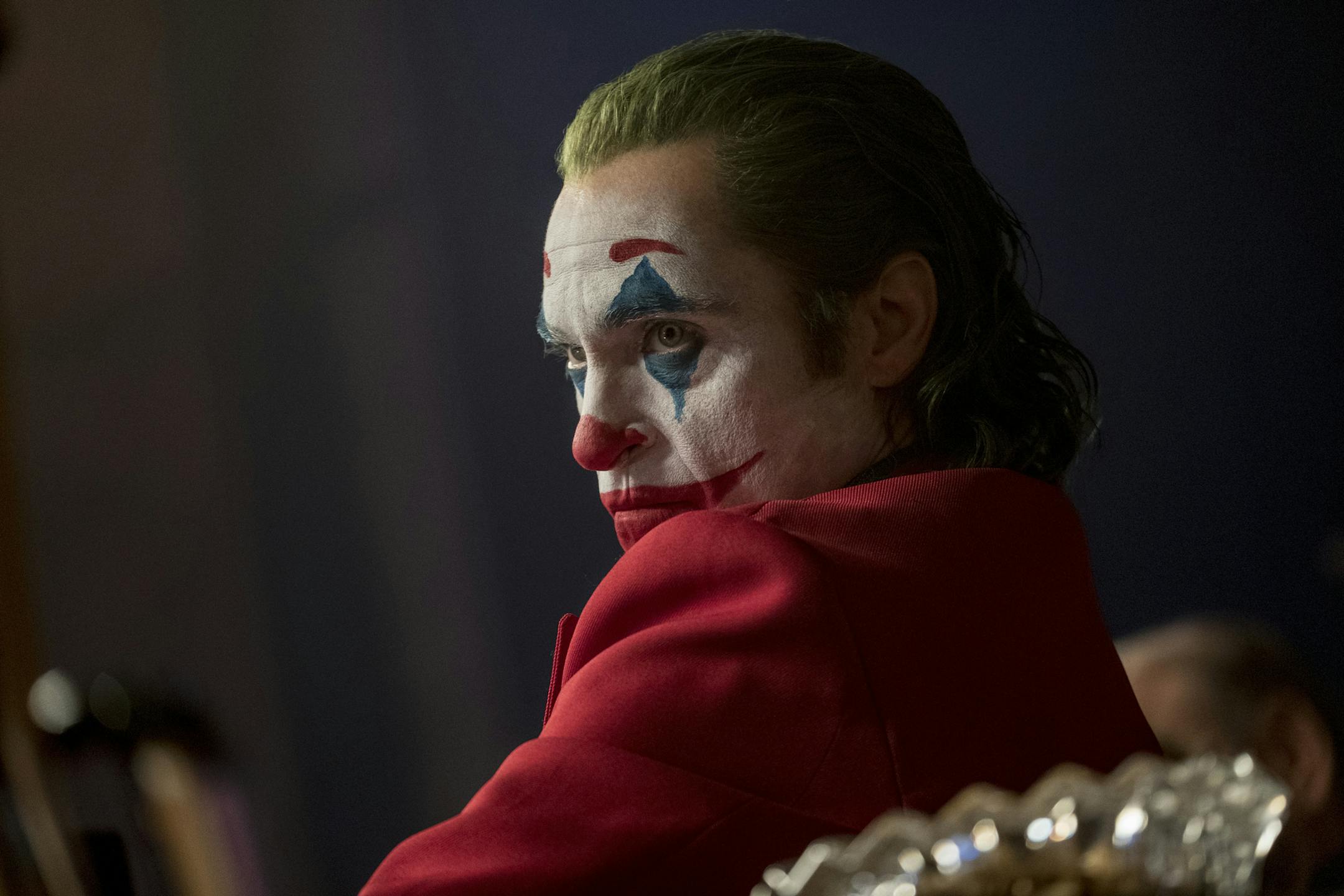
Warner Bros.' "Joker" made $96 million at the box office in its opening weekend, the biggest October opening of all time. But it also raises a lot of questions, both in-story and out here in the world, which your humble narrator will seek to answer.
Q: Is this the real origin of the Joker?
A: Sure! And so are all the others. The Joker first appeared in two stories in 1940 without an origin. In 1951, Joker co-creator Bill Finger wrote "The Man Behind the Red Hood," in which the Clown Prince of Crime turns out to be a petty criminal who wore the titular headgear and escaped Batman by "diving into the catch basin for all the chemicals." The chemicals permanently dyed his hair green, his skin white and his lips ruby red.
In 1988, comics legend Alan Moore penned "Batman: The Killing Joke," a short graphic novel that partly established the Joker as a struggling comedian who joined the Red Hood gang because he needed money for his ailing wife, who died anyway. Again, no civilian name is given.
In 1989, the "Batman" movie established the Joker as gangster Jack Napier, who not only became the Homicidal Harlequin by chemical bath, but murdered Bruce Wayne's parents. In 2008, Christopher Nolan's "The Dark Knight" gave us an anonymous, nihilist Joker who reveled in chaos but seemed to be wearing makeup. And so on.
Q: So he's not the Joker of the comics. Is he the real Joker of the DC Extended Universe of movies?
A: No, because "Joker" isn't part of, or constrained by, the DCEU, which director Todd Phillips said countless times to countless outlets in the months leading up to the film's release. "It's not really connected to that [DC Movie] Universe," Phillips said at the Toronto International Film Festival, as quoted in Newsweek. "And it was really intentionally not."
Besides, if this were the Joker of the DCEU, then the Jared Leto version we saw in "Suicide Squad" should have been a bazillion years old. And who wants to see Batman punching out senior citizens?


