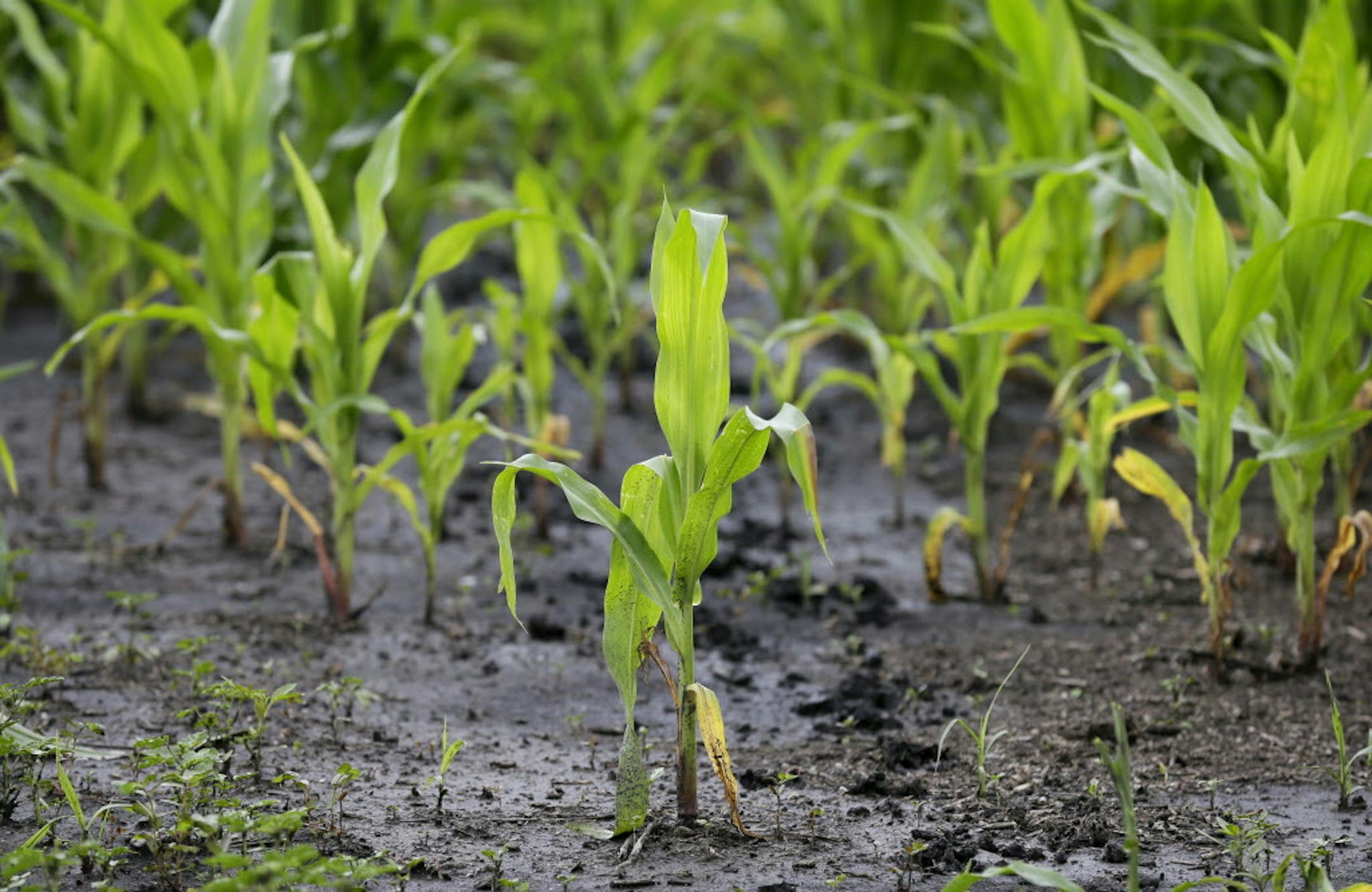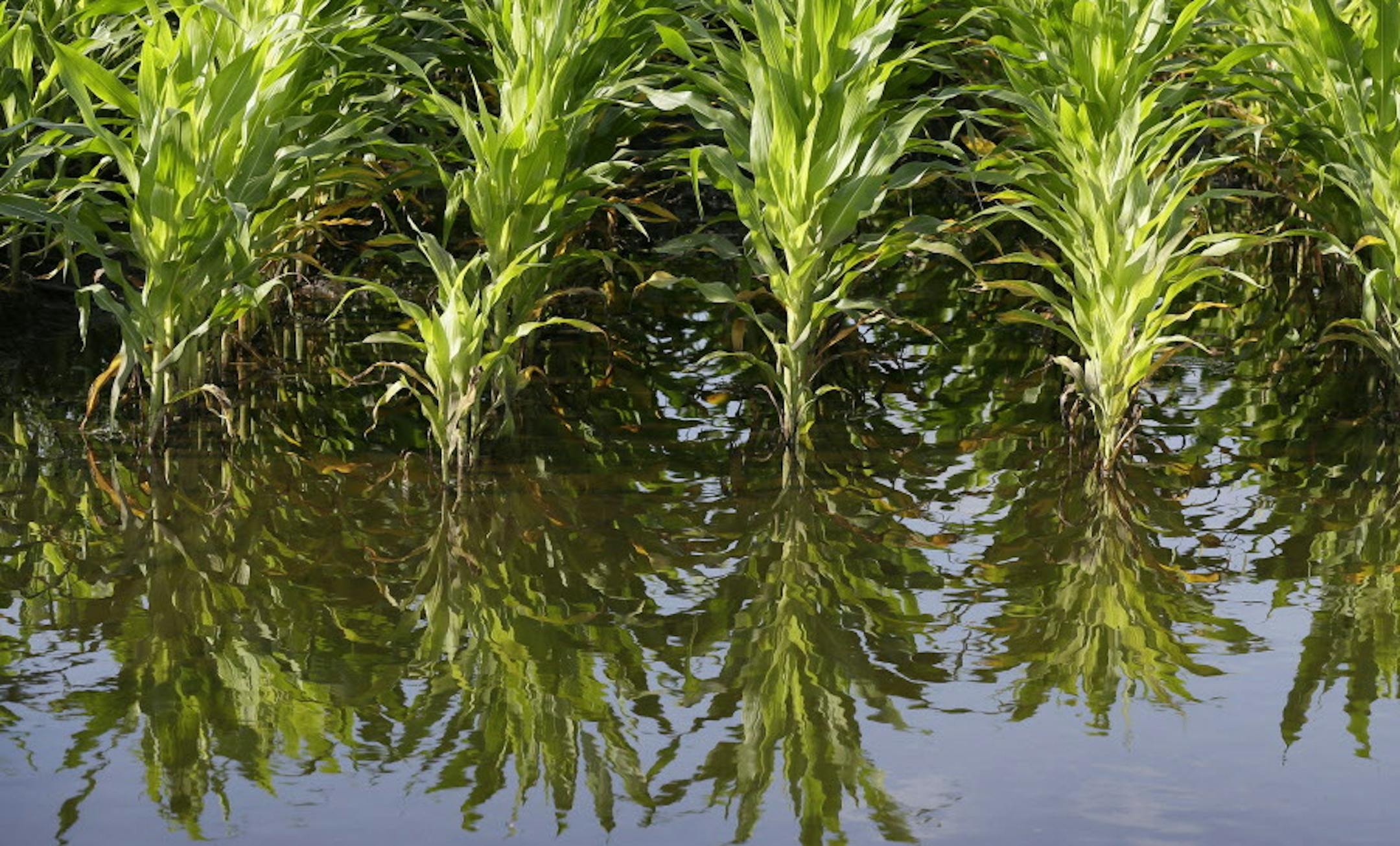
Southeastern Minnesota farmland has been getting a makeover in recent years, and the outcome will degrade private water wells for hundreds of homeowners, according to University of Minnesota researchers.
About one-fourth of the grasslands in an 11-county area were converted to growing more profitable corn and soybeans since 2007, raising the likelihood of more fertilizer entering the water that residents drink.
"We found evidence that recent trends in grassland loss to agriculture between 2007 and 2012 are likely to increase the future number of contaminated wells by 45 percent," said University of Minnesota researcher Bonnie Keeler, "leading to millions of dollars in lost income and remediation costs for private households."
The analysis used federal data about changes in growing patterns in southeastern Minnesota — and publicly available well data and chemistry readings — to predict how the changes on the land will affect underground water.
Southeastern Minnesota is particularly vulnerable to groundwater contamination because its karst geology contains many cracks and fissures in underground rock formations, Keeler said, allowing water on the surface to easily enter the deeper groundwater that residents rely on for drinking.
"Groundwater moves in mysterious ways," she said. "It's not always just who's next door that affects your water because there can sometimes be complex pathways in which water moves underground."
The 11 counties have a population of more than 700,000, and the majority rely on groundwater as their primary drinking water source, according to state data cited in the study.
One of the main concerns is nitrate, a primary component of fertilizer that is highly soluble and mobile in soil. Converting hay and alfalfa fields to corn and soybeans increases the use of fertilizer substantially.