Business Review from the Economist
Mortgage securities still dogging Deutsche
Deutsche Bank denied reports that it had discussed a rescue package with the German government following a request from American regulators that it pay $14 billion to settle claims related to mortgage-backed securities. Speculation about the discussions further spooked investors already jittery about its weak capital position. Trying to address some of those concerns, Deutsche sold its Abbey Life insurance business, raising $1.2 billion.
Mario Draghi, the president of the European Central Bank, was dragged into the furor over Deutsche when he went to Germany to face lawmakers who have voiced doubts about the ECB's policies. His first such trip in four years came amid intensifying criticism in Germany that low interest rates are hurting the economy.
The state of California suspended its business dealings with Wells Fargo in response to the bank's admission that employees created up to 2 million fake customer accounts to hit sales targets. The bank's board stripped John Stumpf, chief executive, of $41 million in stock awards and his bonus for the year. Stumpf was once again hauled in front of Congress.
The Chicago Board Options Exchange, best known for its Vix indexes of market volatility, agreed to buy BATS Global Markets for $3.2 billion. Based in Kansas, BATS started life only in 2005 and is now America's second-largest equities exchange.
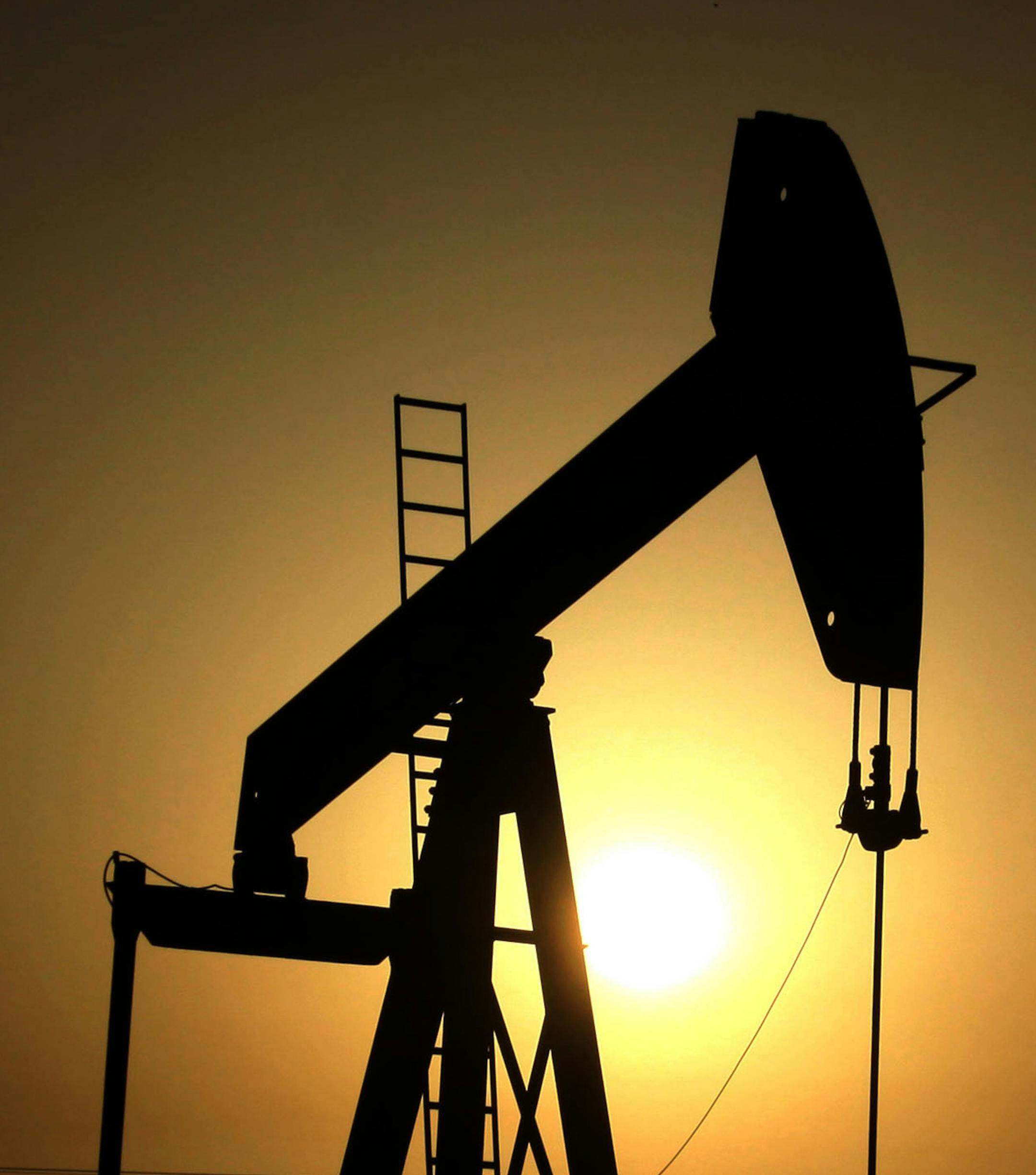
OPEC announced that its members had reached a preliminary deal to reduce oil output, the first cut in production since 2008. Oil prices surged after the announcement. However, few details were provided about how much each country would trim back. OPEC said the specifics would be thrashed out at a meeting in November, but given long-standing disputes between Iran and Saudi Arabia, doubts were raised that the plan would come to pass.
Almost a year after announcing their intention to merge, and having sold off assets to satisfy antitrust regulators, shareholders in both Anheuser-Busch InBev and SABMiller agreed to the deal. The more than $100 billion acquisition creates a brewer with 30 percent of the global market.
Google's autonomous-car technology hit a bump in the road when another of its vehicles was involved in a crash. Described as the worst crash so far, the car was hit by a van that passed a red light. Google's cars have been involved in a number of collisions but most, including the latest incident, have been the fault of the other car. It has 58 vehicles on the road, which in August covered a total distance in autonomous mode of 126,000 miles. That is more than the average American drives in 10 years.
BlackBerry threw in the towel and announced that it will no longer design or make smartphones, and instead outsource their development to other companies so that it can focus on software and services. BlackBerry shaped the emerging smartphone industry of 15 years ago, but rapidly fell behind its rivals: it now has less than 1 percent of global sales.