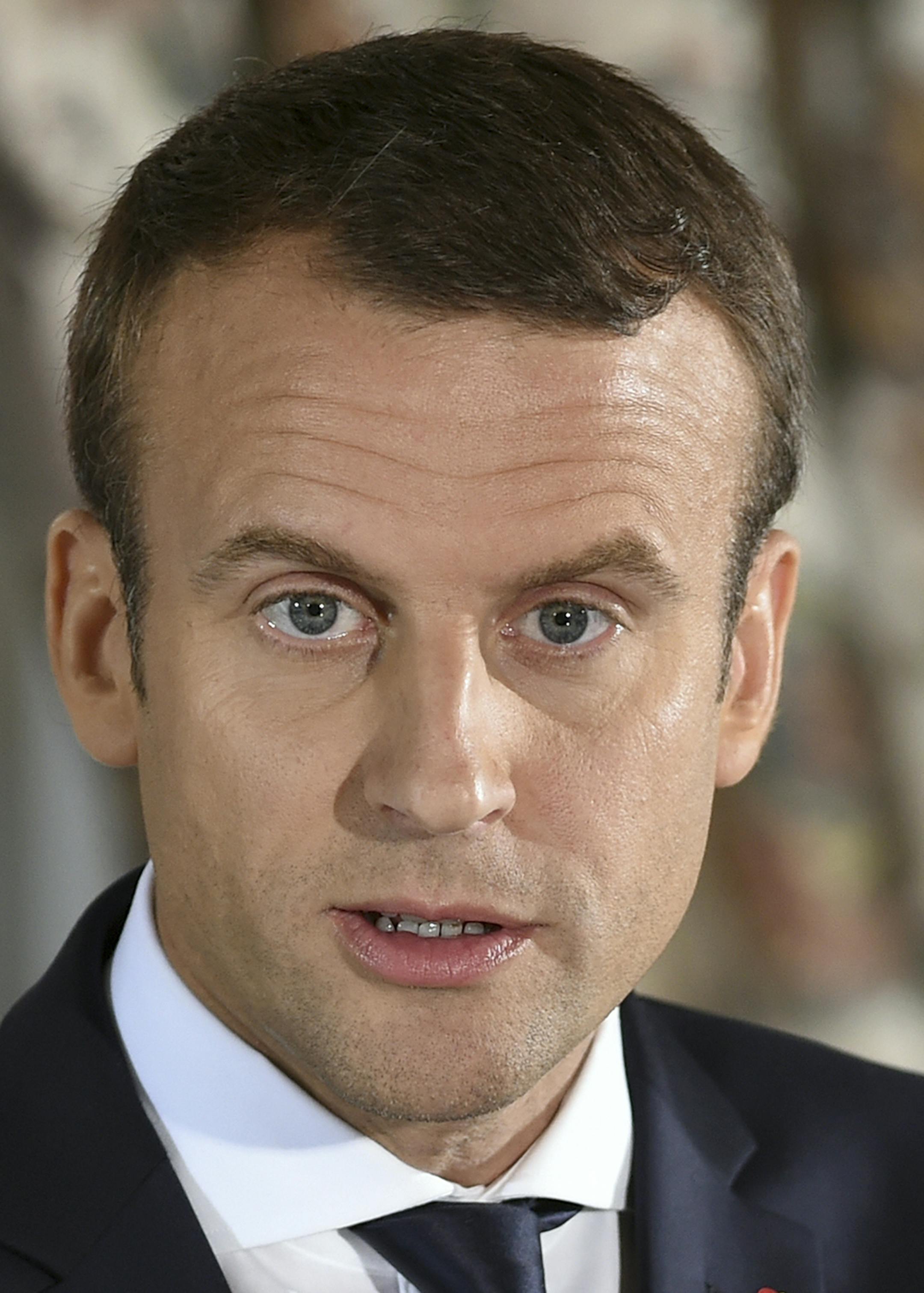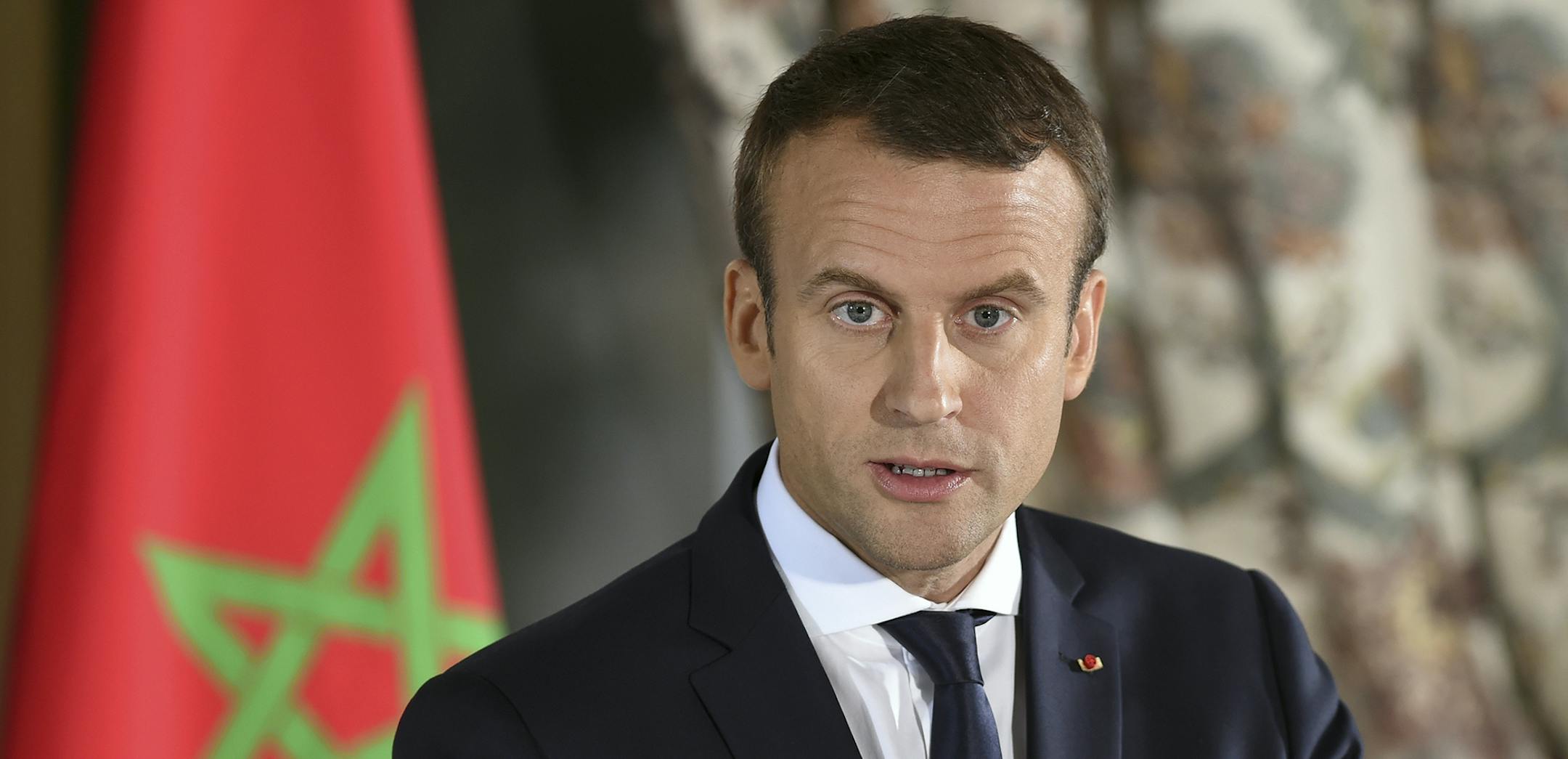
In a year of popular revolts against Western political establishments, none has been more sweeping than that of France. In the first round of parliamentary elections on Sunday, the two parties that have dominated the political system since 1958 suffered devastating losses, while a new movement, founded only 14 months ago, appeared to be on its way to capturing up to three-quarters of the National Assembly. Like its leader, President Emmanuel Macron, nearly half of the candidates of the Republic on the Move party had never run for public office. Half are women, and the average age is under 50.
The most remarkable fact about France's new leadership, however, is its politics — which is neither the left-wing populism of Bernie Sanders and Jeremy Corbyn nor the right-wing version offered by President Donald Trump and Marine Le Pen. Macron espouses what he calls "radical centrism" — a pragmatic approach to tackling the structural problems that have held back France for decades, along with a similar commitment to unstick the floundering European Union. If it works, it could revitalize European global leadership at a time when the United States under Trump looks erratic and unreliable.
When Macron, a 39-year-old former banker, easily won a runoff against Le Pen in May, many analysts dismissed his chances of winning a parliamentary majority — much less a supermajority — with his newly formed party. But Macron has been pitch-perfect during his first month in office. He made a show of standing up to Trump at a NATO summit and days later did the same to Russia's Vladimir Putin. He recruited a leading center-right politician to be his prime minister and surrounded him with a cabinet that transcended partisan lines.
True, turnout in the parliamentary vote was low by French standards — under 50 percent — and nearly half of voters backed extreme candidates of the right or left just seven weeks ago in the presidential election's first round. But Macron clearly has momentum to push ahead with his ambitious reform plan.
FROM AN EDITORIAL IN THE WASHINGTON POST