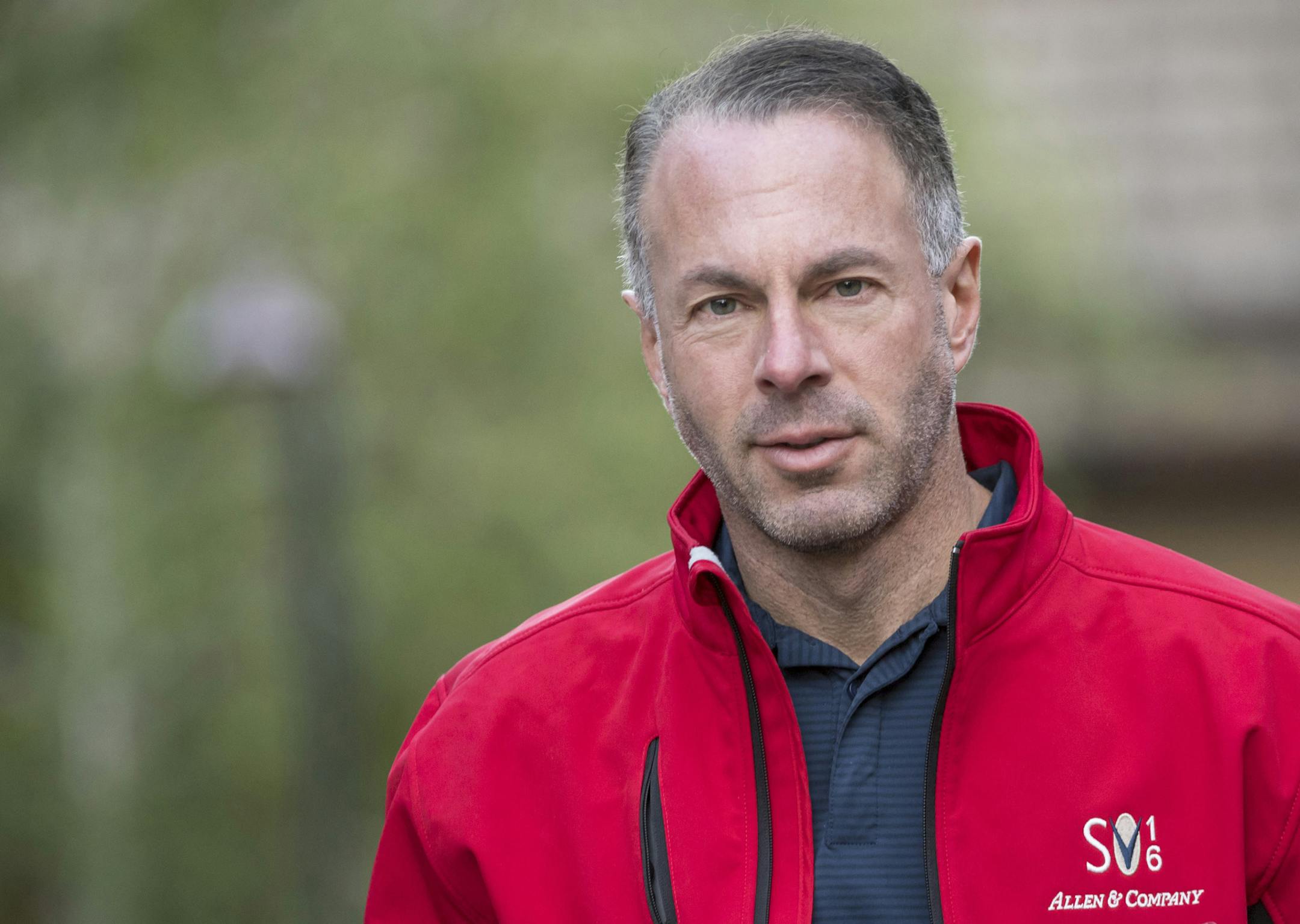
EBay Chief Executive Devin Wenig took the stage in a Las Vegas convention center with arms raised like a prize fighter after winning a stunning upset. This was the first time in eight years that eBay had gathered such a large group of sellers in one place to give them a chance to eat, drink, mingle and get the lowdown from the CEO.
Wenig, in the job for about a year, knew he had some cheerleading to do. EBay has struggled to make headway against Amazon.com, and many of these product-peddling merchants — the lifeblood of eBay's online bazaar — have been putting their wares on the Seattle giant's site.
For Wenig, like his predecessor John Donahoe, eBay's perennial challenge remains confronting the Amazon threat while keeping investors, merchants and shoppers happy. But rather than beat Amazon at its own game — selling virtually everything to anyone and delivering it lickety-split — Wenig wants eBay to be the anti-Amazon, excelling in areas where Amazon lags.
He's emboldened by forecasts showing that e-commerce remains in its infancy, meaning there's plenty of room for lots of players to grow and prosper. "The world doesn't have to choose between Amazon or eBay," he said in an interview. "The world can comfortably have Amazon and eBay — and it will."
On stage, he talked up a new search architecture that will make it easier for customers to discover new products, an effort to differentiate eBay from Amazon and its mission-shopping hordes. He vowed to respond quickly to merchants' concerns about unfair negative reviews.
Having traveled from 42 states (and Canada), the 1,000-plus merchants in Vegas on that blistering July afternoon were true believers who rely on eBay for their livelihoods. Together, they sell more than $500 million a year on the marketplace. So they were ready for a pep talk and gave Wenig a rapturous reception, cheering and clapping once he was done.
Wenig, 49, isn't your typical technology executive; this is not a guy who started a company in his garage. Wenig graduated from Columbia Law School, dabbled in corporate law, then in 1994 joined Reuters. Wenig rose through the ranks to run the markets division, which generated most of the company's revenue by selling news and information to the financial services industry.
About 10 years ago, he got a call from Yahoo Inc. Then-CEO Terry Semel was refashioning the internet portal as a media company and needed a successor with Wenig's credentials. Wenig even picked out a house in Silicon Valley, but he backed out at the last minute. Friends say he was unsure if Yahoo could be turned around.