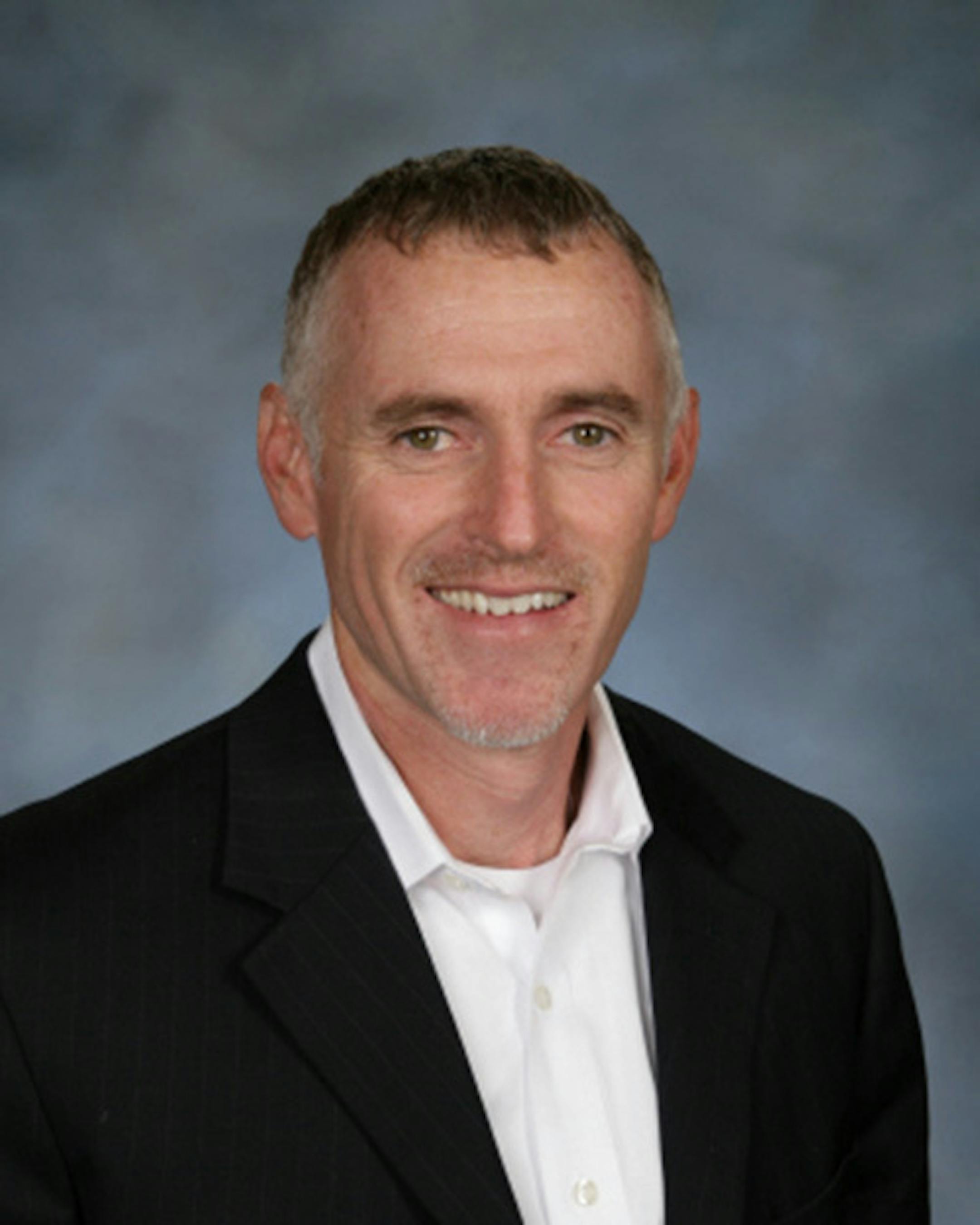
Patrick Exner will be making the jump this month from leader of a small suburban charter school to principal of Washburn High School, which is about four times larger.
Exner, 45, of Brooklyn Park, comes to Washburn from Ubah Medical Academy in Hopkins. He's the second principal in a row to be hired to run Washburn from outside the district, after Carol Markham-Cousins, whom he follows.
Exner is making the transition from associate director of a 320-student charter high school that mainly enrolls East African students to the more racially diverse 1,200-student Washburn. The formal announcement came last Friday, although word leaked out earlier last week.
"He helped a lot with the kids here," said Ubah Director Musa M. Farah. Exner was at Ubah three years, Farah said, and previously was director of teaching and learning for the West Metro Education Program, which holds more than 1,000 students in two schools. Most of his teaching career was spent at Cooper High School in the Robbinsdale district, where he taught writing and literature.
"Bernadeia's very high on him," said school board member Richard Mammen, referring to Superintendent Bernadeia Johnson.
Exner will face a difficult job at Washburn, a school where both faculty and students were riven by a well-publicized dispute over the replacement of Athletic Director Dan Pratt last spring that led to a walkout and a sit-in before Markham-Cousins was reassigned. Some parents also are pushing for increased academic rigor at the school as a new attendance boundary roped in more middle-class students from families with high academic expectations.
Markham-Cousins argued that teachers should be able to differentiate their instruction to meet the needs of a wide range of students in the same class. The school's fine arts flourished under her tenure.
The district said in announcing Exner that enrollment increased by 25 percent under his tenure and math and reading proficiency improved. Results for last spring's tests haven't been released, but state data indicate that proficiency rose in math, science and reading at Ubah during his first year, but slid slightly below 2010 levels in his second. State figures show a 32 percent increase in enrollment.