![Eddie Rosario was greeted by teammates after scoring in the eighth inning. ] CARLOS GONZALEZ ï cgonzalez@startribune.com ñ May 21, 2018, Minneapolis, MN, Target Field, MLB, Minnesota Twins vs. Detroit Tigers](https://arc.stimg.co/startribunemedia/6TA5UGIJ4EMXWZFYJ3ELCBXZLQ.jpg?&w=1080)
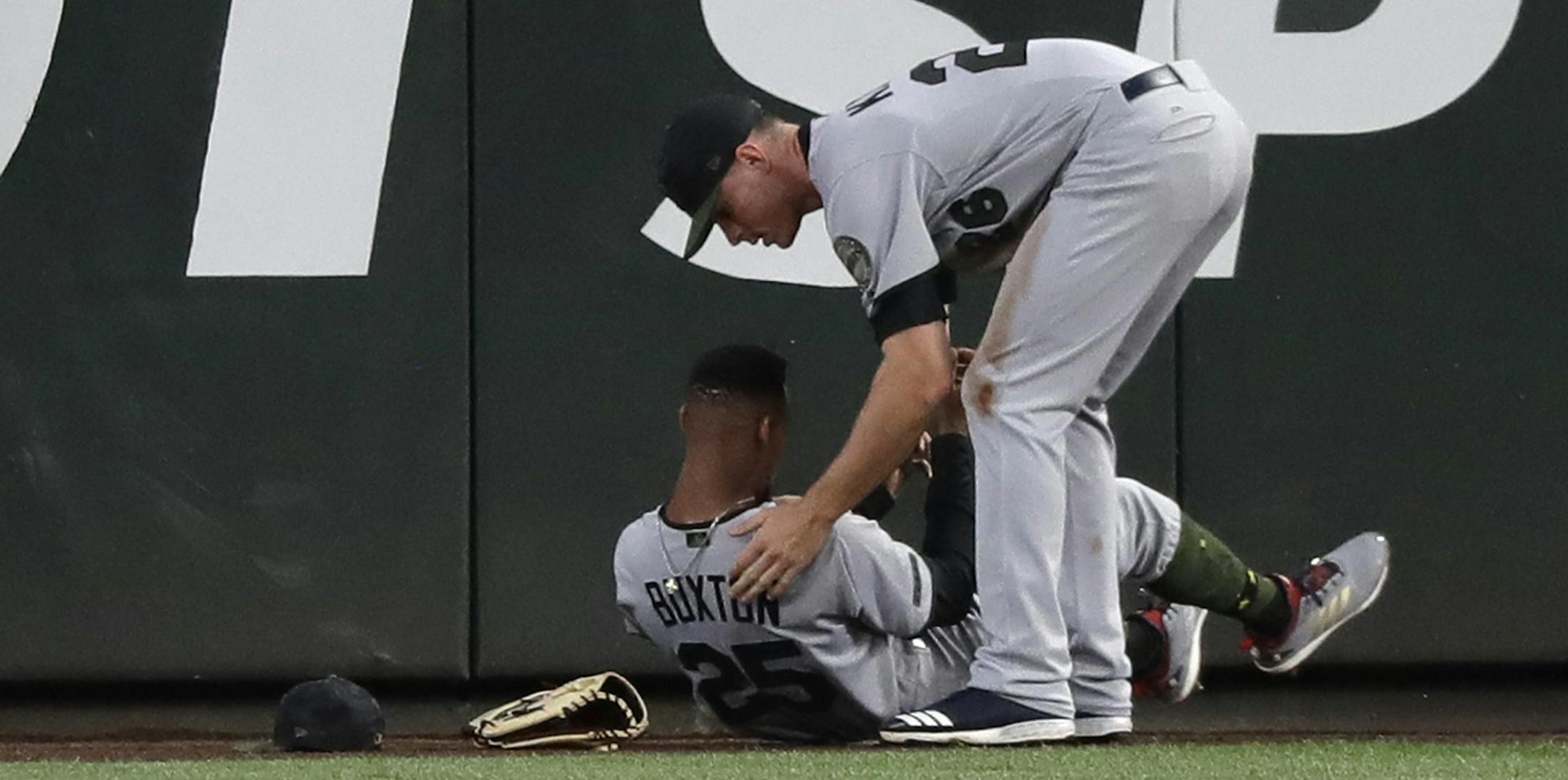
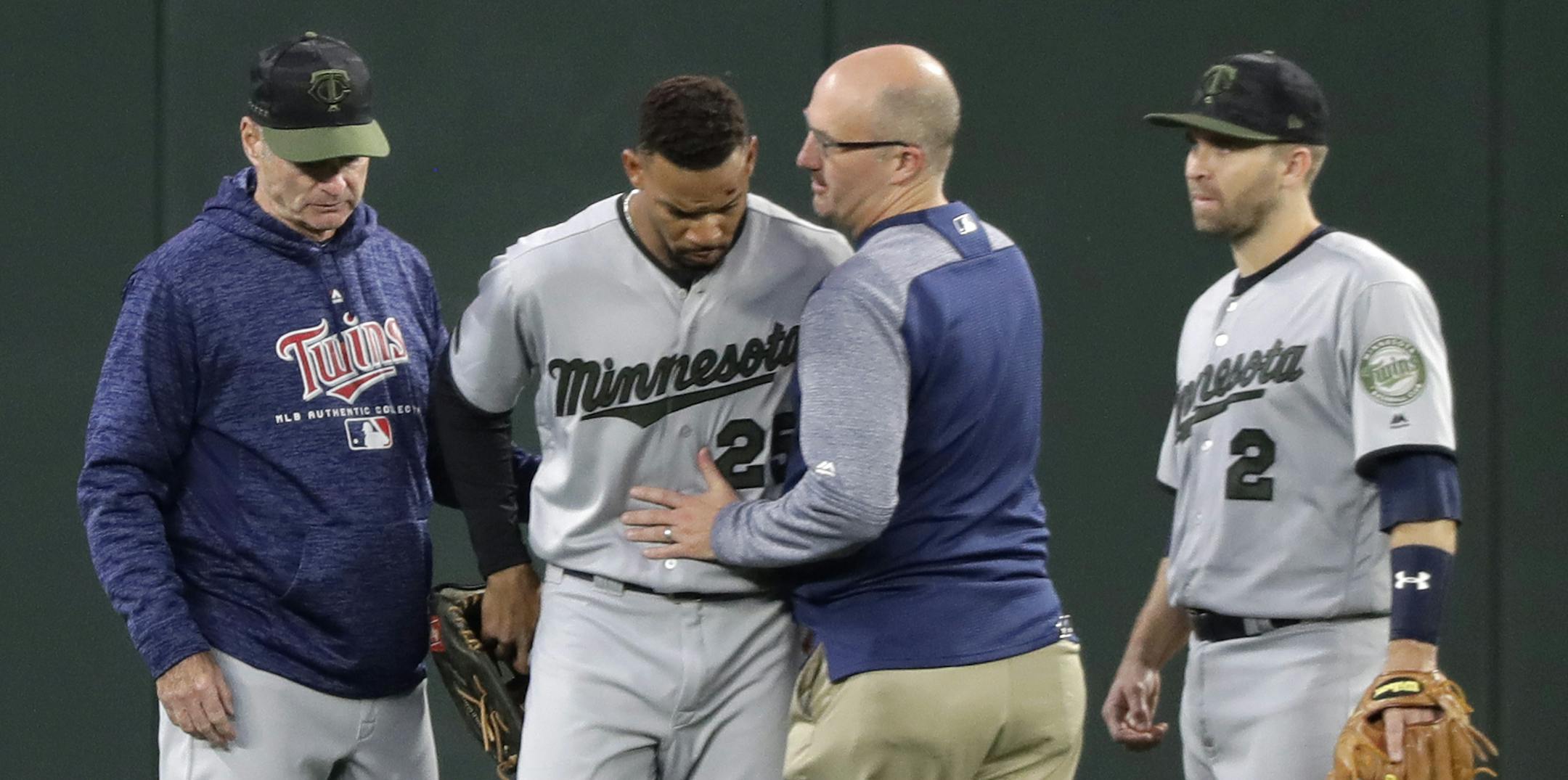
In the summer of 2014, a visitor to Fort Myers, Fla., could see the Twins' best young player — as well as Miguel Sano, Byron Buxton, Jose Berrios and Jorge Polanco.
Sano and Buxton were recovering from injuries. Berrios pitched a gem as he established himself as the franchise's best pitching prospect. Polanco made spectacular plays at shortstop as the team's brain trust debated whether he belonged at short or second base.
At that time, Buxton was baseball's top "prospect," meaning the player with the most encouraging upside. Sano ranked near the top. Berrios and Polanco were drawing increased attention.
Also on the diamond at Hammond Field that week was a skinny kid who had signed with the Twins as a second baseman but was spending time in the outfield. A couple of influential members of the organization said, privately, that the kid was bullheaded but talented. One suggested the Twins should trade him.
The kid's name was Eddie Rosario. He was not the Twins' best prospect. At this moment, he is their best young player. Rosario leads the team in home runs, OPS (on-base-plus-slugging percentage), slugging and RBI. Last year, he tied for the team lead in slugging while hitting 27 home runs and looking comfortable leading a team in a playoff race.
Rosario's rise is instead a reminder of how difficult player evaluation is, and how subtle talents can outstrip obvious assets.
Sano is one of the most powerful hitters in baseball. Buxton might be the game's fastest runner and best-fielding outfielder. Berrios remains a potential ace. Polanco, before being suspended for performance-enhancing drugs, was hinting at outpacing all projections.
It is Rosario — the shortest, slightest and most overlooked of the Twins' heralded prospects — who has become the most durable and productive player of the group. And maybe the smartest.