
Companies gone wild: how the lessons of 19th century trading giants apply to Silicon Valley today

History is filled with examples of huge firms running into walls.

July 9, 2018 at 7:26PM
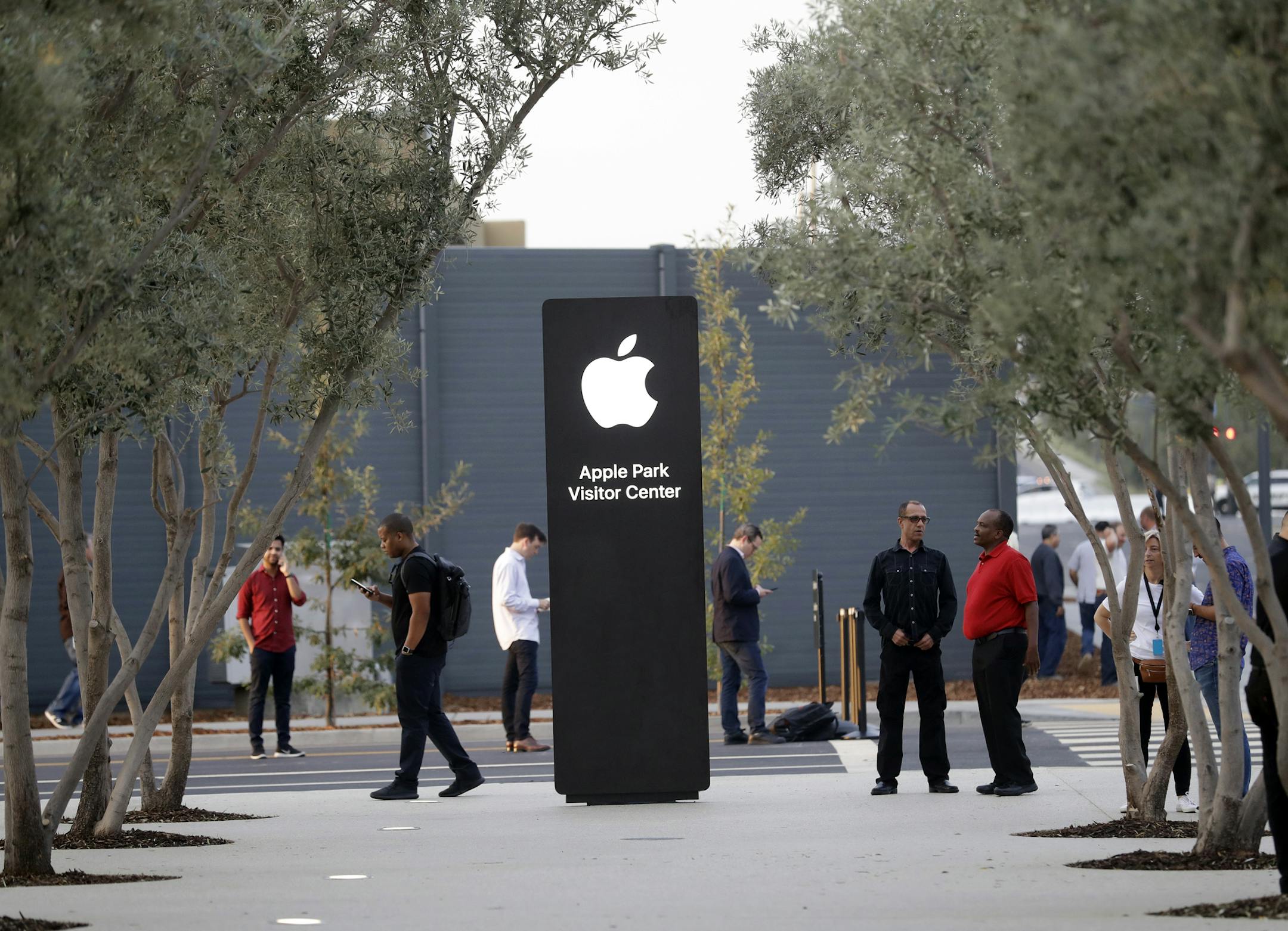
An exterior view of Apple's new visitor center during an announcement of new products Sept. 12, 2017, in Cupertino, Calif. (AP Photo/Marcio Jose Sanchez) ORG XMIT: CAMS107
Apple’s earnings are so big that it is entering a danger zone that has been occupied by only a few other corporate colossi. (The Minnesota Star Tribune)

Is there any limit to how big a company can get?

If Apple's shares rise by 9 percent its market value will pass $1 trillion. It is an astonishing sum, supported by the iPhone-maker's staggering profits of $60 billion a year, or $8 for every person on Earth.

Yet it should prompt cold sweats among the firm's managers and investors. Relative to GDP, Apple's earnings are so big that it is entering a danger zone that has been occupied by only a few other corporate titans, including the East India Company and John D. Rockefeller's firm, Standard Oil. If history is any guide, Apple will not get bigger and other tech firms in the United States and China, such as Amazon and Alibaba, are testing the limits, too.

The $1 trillion mark has been passed once before, by PetroChina, a Chinese state firm, for 15 days in 2007. But that reflected a speculative frenzy on Shanghai's bourse. And in any case, what matters more than nominal market values is the size of a firm's profits relative to the economy. There are no iron laws, but common sense suggests that there are limits.

Six cases of gigantism stand out most, with the firms becoming so big that governments intervened. In 1813 the East India Company, a British private empire involved in opium production, among other things, lost its long-standing legal monopoly over trade with India. In 1911, the Supreme Court broke up Standard Oil, and, as a populist wave swept the country, the government also initiated legal action against U.S. Steel, the other giant of the Gilded Age. Trustbusters went after IBM in 1969, and then in 1974 they sought to break AT&T's grip on telecoms. And the Department of Justice sued to dismember Microsoft in 1998.

Measuring these mammoths is best done using the yardstick of profits relative to GDP. The Economist has taken the peak figures during or just before each firm's regulatory showdown and compared that to the GDP of its country of domicile.

Some caveats are in order: interpreting old accounts involves guesswork. No official figures exist for GDP before World War I, only academic estimates.

Three conclusions are clear. First, when the six firms got into trouble they had profits of 0.08 percent to 0.54 percent of GDP, with a median of 0.24 percent. Second, U.S. and Chinese tech giants are already near, or within, the lower end of that danger zone, as are several nontech firms, such as Berkshire Hathaway. Apple is larger than the rest, with profits worth 0.28 percent of GDP. Third, the dizzying valuations of big tech firms imply that their profits will soar still further. If investors' expectations are met, by 2027, Amazon, Apple, Alphabet and Microsoft will all have profits above the historical median of 0.24 percent.
Tech tycoons have some decent arguments as to why size no longer matters. Firms are more global than in the past, so comparing their profits to the U.S. or China's economy may exaggerate their clout (although by 2027 Amazon's profits are projected to be twice as big relative to world GDP as the East India Company's in 1813).

However, today's tech giants extract profits from customers more consistently than the earlier oligopolists did. Together the seven biggest firms make a 32 percent return on equity, or ROE. Microsoft had high returns in 1998. Standard Oil also had an ROE rivaling today's tech giants — this was a key plank of the prosecution's successful case that it was a monopoly that should be broken up. But at their zeniths the East India Company, U.S. Steel and AT&T made ROES of only about 10 percent, and IBM managed about 20 percent.

If today's giants were broken up, would it spell disaster? According to one big shareholder, breakups sometimes benefit investors. Yet overall, corporate whoppers had a mixed time of it. The East India Company shriveled after it lost its monopoly. U.S. Steel avoided being broken up but it eventually faded from view.

Two firms have fared better. AT&T's descendants, Verizon and AT&T, have gobbled up many of their competitors and together now squeeze out similar profits to those their parent did in 1974. And though Microsoft had a rough patch after it escaped being dismembered, it has since almost doubled in size.

The past is not regarded as a meaningful guide to the future in Silicon Valley and Chinese tech circles. But at the height of their powers, giant companies make blinkered, unreliable guides to their own futures. In 1974, AT&T's annual report dismissed the risks of antitrust and advised Americans that "competition breeds a wasteful duplication." In 1909, Standard Oil told the courts that its founders, with their "infinite skill," had succeeded as if they had developed "a gold or diamond mine, and abundant revenue legitimately became theirs" — a piece of logic not dissimilar to how today's tech titans justify themselves.

The fallibility of corporate superstars is worth bearing in mind as tech stocks cruise toward valuations that were almost unimaginable only two years ago.

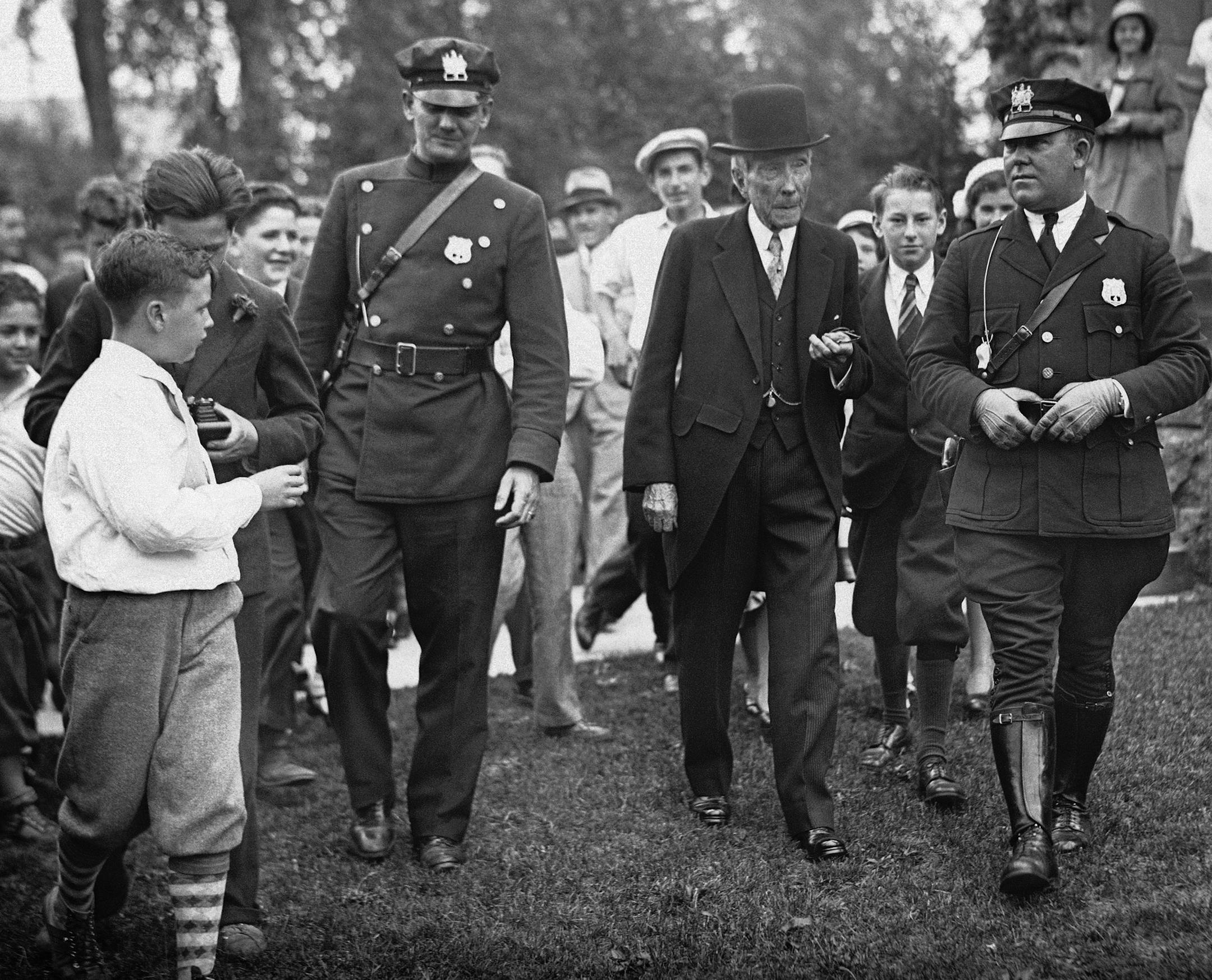
FILE - In this May 14, 1933 file photo, John D. Rockefeller, Sr. is surrounded by state troopers and admirers as he attended church in Lakewood, N.J. In the early 21st century, members of the economic elite are looking for ways to reduce the nation's growing income inequality for a variety of reasons, from self-interest to pangs of conscience. "Names like Carnegie, Mellon and Rockefeller_ the (Warren) Buffet and (Bill) Gates of their days - grace universities, museums and medical centers in part
John D. Rockefeller, surrounded by police and admirers, established Standard Oil, which stood out for its gigantism. (The Minnesota Star Tribune)
about the writer

about the writer

Economist

More from Business

See More
card image
Spencer Platt

The U.S. stock market roared back on Friday, as technology stocks recovered much of their losses from earlier in the week and bitcoin halted its plunge, at least for now.

Attendees of Frostbike made their way through the convention Saturday at the Quality Bike Products campus in Minneapolis. ] (AARON LAVINSKY/STAR TRIBUNE) aaron.lavinsky@startribune.com Frostbike 2016 was held at the Quality Bike Products Campus on Saturday, Feb. 27, 2016 in Bloomington, Minn.
card image