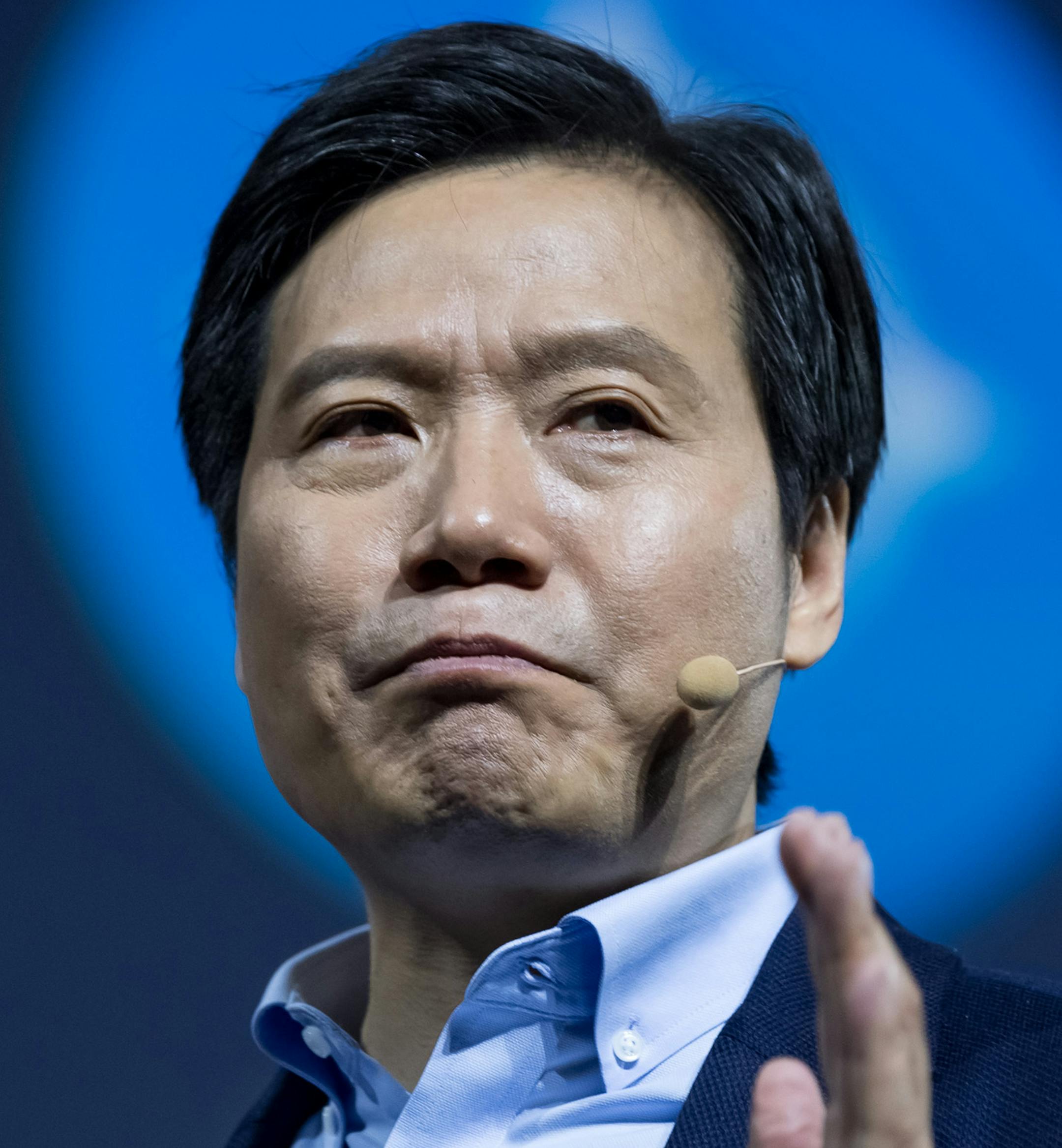
In 1987, when Lei Jun was a computer-science student in Wuhan, on the banks of the Yangtze River, he read a book about Steve Jobs and vowed to emulate him.
If all goes to plan, this summer Lei will take a leap toward that dream with the flotation of his firm, Xiaomi, at a valuation of $50 billion to $75 billion. It is set to be the world's largest initial public offering since Alibaba in 2014.
Xiaomi is probably China's most successful consumer brand, but ever since it started selling smartphones in 2010 it has also been difficult to categorize. Yes, Lei sometimes dresses in black, as Jobs did, but it has never been clear whether Xiaomi is China's Apple or if it is more like Samsung, Sony, Nokia or even Costco.
Creature of its environment
One answer is that Xiaomi does not resemble any rich-world firm.
For decades, a particular U.S. ideal of the public company has dominated: focused, widely owned and predictable. Xiaomi is a supercharged champion of a new Chinese model that is the opposite: deliberately sprawling, tightly controlled and hyperactive.
Edward Tse, of Gao Feng, a consultancy, calls these firms "China's disrupters." Xiaomi's IPO is a test of how valuable investors believe the model is.
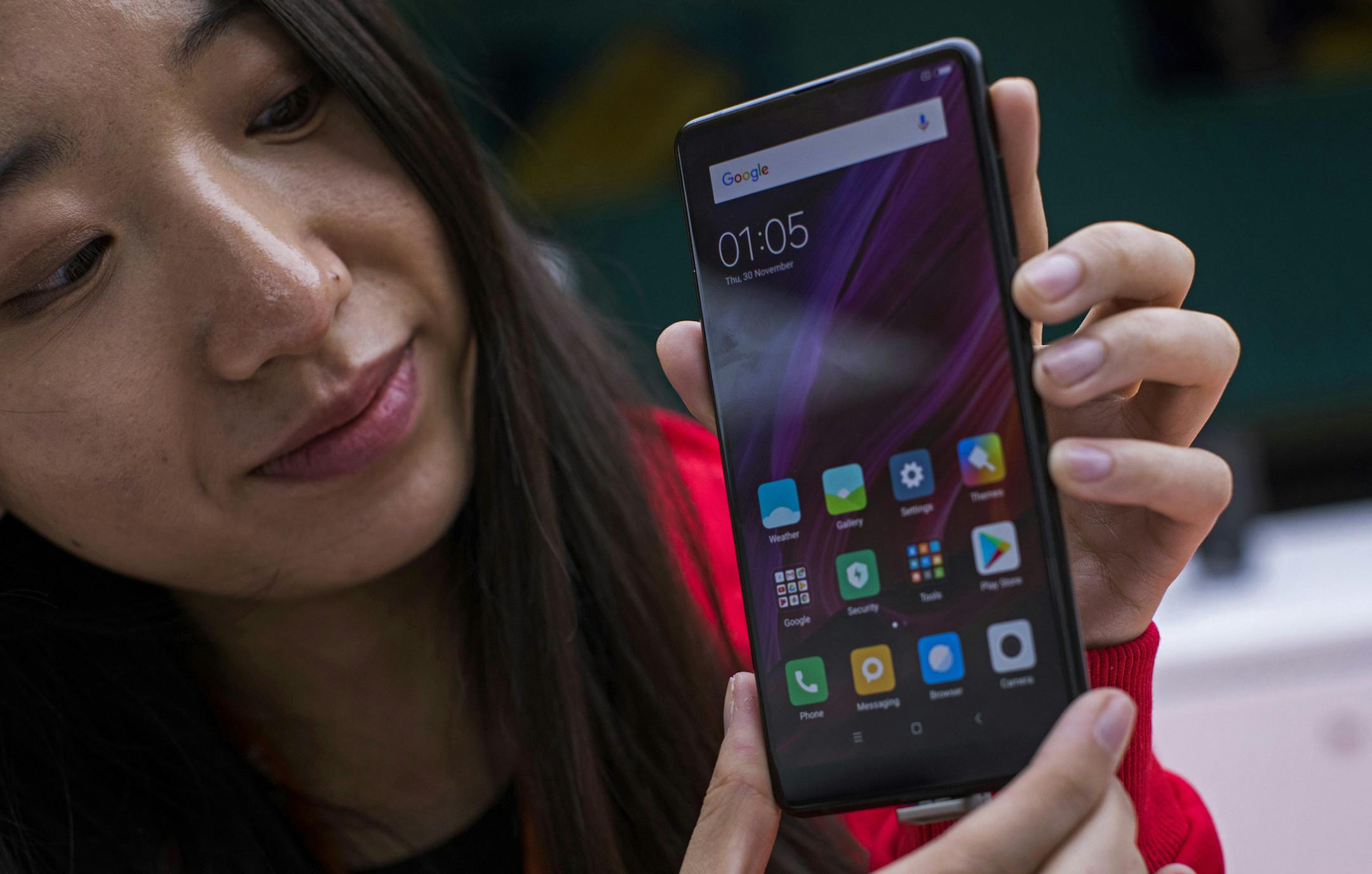
Xiaomi is above all a creature of its environment, which in China means rock-star bosses, ambiguous rules, intense competition, proximity to the world's manufacturing hub, and fast-changing consumer behavior. The firm is what Charles Darwin might call a perfect adaptation. It also seems to live in dog years, packing more into the past seven years than U.S. firms do in 49. Almost three-quarters of its $18 billion of sales last year came from selling smartphones, where it has a global-market share of 7 percent. But there is lots of sprawl, which is by design.
As well as smartphones, Xiaomi has hundreds of other products, from vacuum cleaners to electric bicycles, and even owns 30 percent of a small bank. It incubates new hardware suppliers by buying small equity stakes in them. The cost of this ate up a fifth of its free cash flow in 2016-2017 and could spiral further. Ferocious competition at home, meanwhile, has meant erratic performance. In 2015, it made an underlying loss and in 2016 sales stagnated after its handset market share in China dropped.