Equipping police officers with body cameras has been called a crucial step toward restoring their battered image. Politicians and police chiefs alike say the video footage will help hold officers accountable.
Yet on the other end of the justice system, Minnesota courts still view a news camera as an intruder.
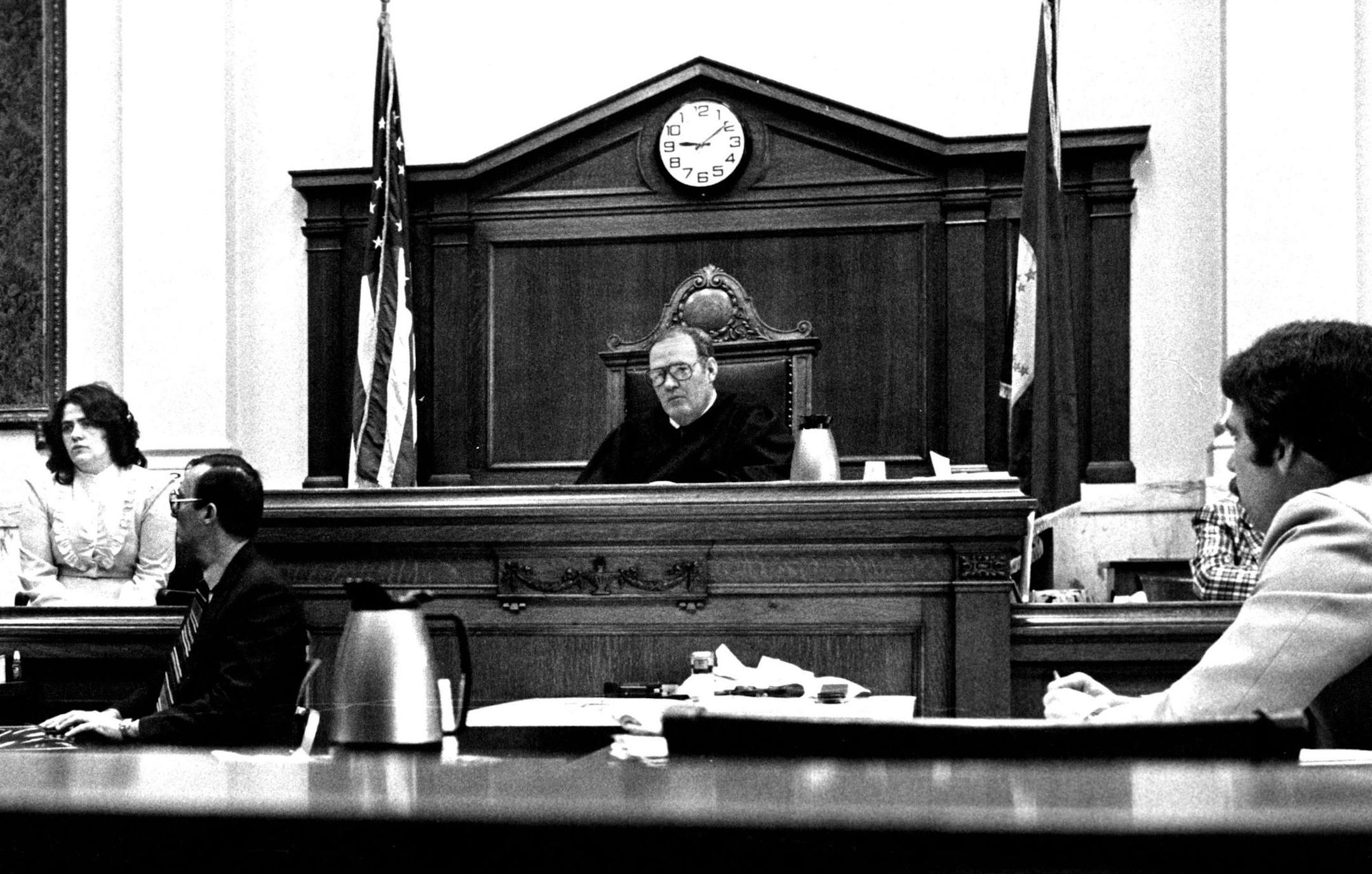
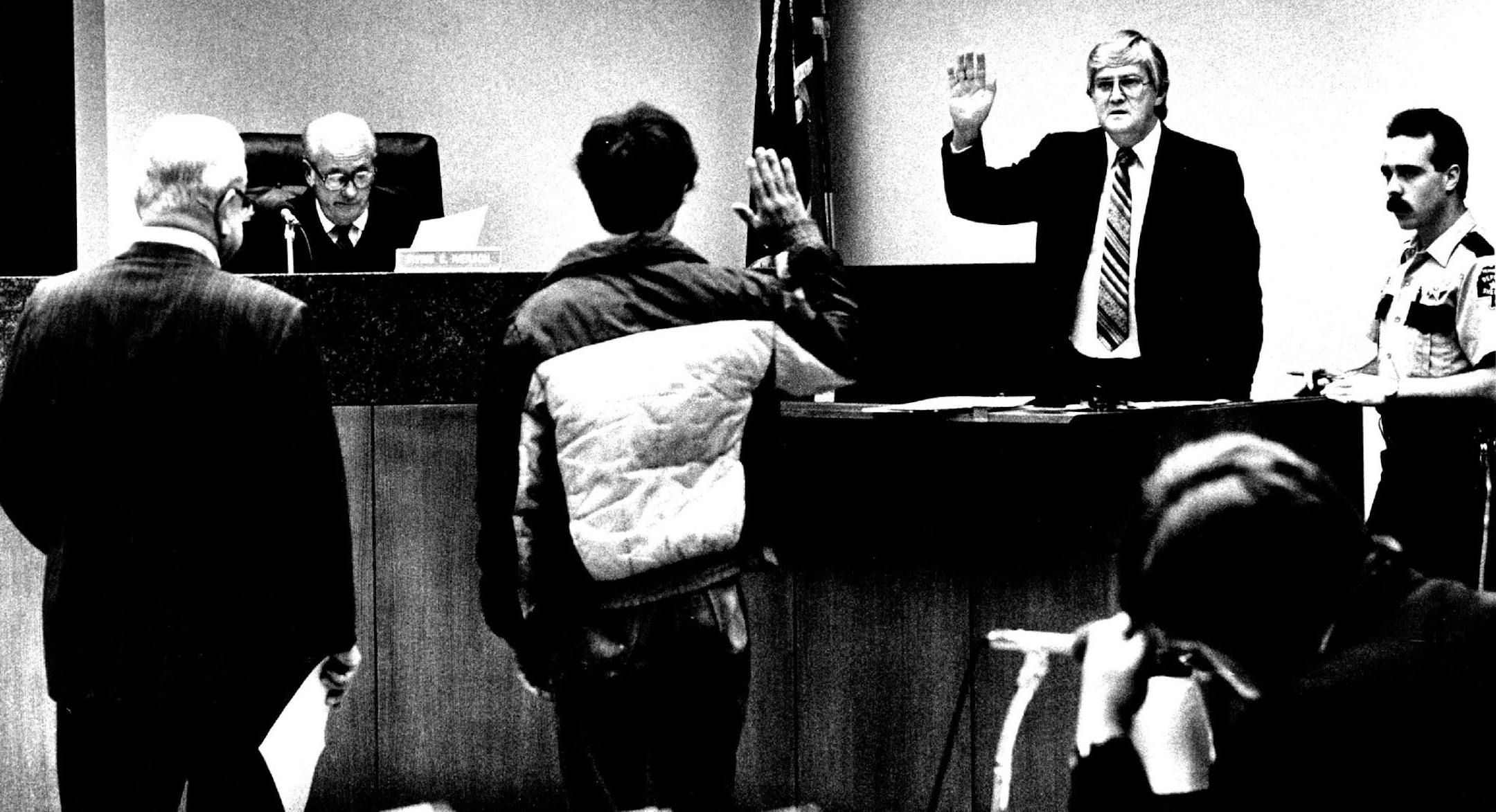
For more than 40 years, the Minnesota Supreme Court has effectively barred photographers from criminal trials. It's been persuaded that broadcasting from the courtroom will invade the privacy of crime victims and witnesses and turn serious proceedings into made-for-TV spectacles.
That ban has worked well for sketch artists, but otherwise denied the public a complete picture of how justice is doled out in Minnesota.
On Aug. 12, the state court system took a small but significant step toward bringing news cameras back into courtrooms. Judges must allow cameras into sentencings and other post-conviction proceedings "absent good cause" that those hearings should be closed, according to the Supreme Court's order.
Off limits are any proceeding with the jury present, any case involving domestic violence or criminal sexual conduct or any image of victims testifying, unless the victim agrees in advance.
And don't expect to tune in to testimony from forensic experts, stinging cross-examination of witnesses or the reading of verdicts. Trials are off limits for cameras, unless all the parties consent ahead of time. That's been virtually impossible over the past four decades.
With its hard line on cameras in courtrooms, Minnesota stands out among its neighboring states. People in Wisconsin, Iowa and North Dakota are accustomed to seeing court action on their TV screens and in their newspapers.