
Brain scans show long-term effects of heavy drinking

December 28, 2015 at 11:34PM
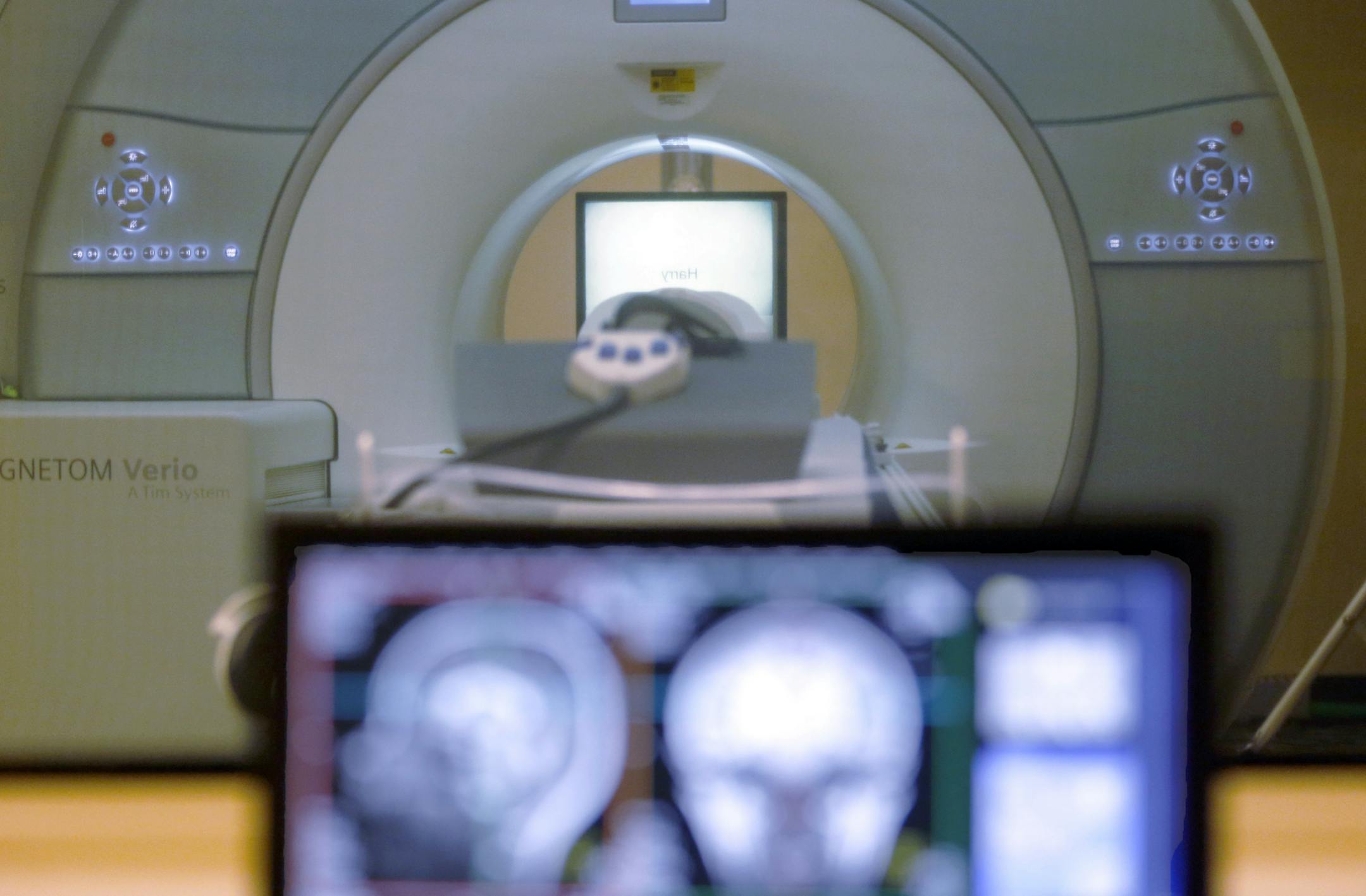
A brain-scanning MRI machine at Carnegie Mellon University in Pittsburgh.
A brain-scanning MRI machine at Carnegie Mellon University in Pittsburgh. (The Minnesota Star Tribune)

Something to mull over during this holiday season: new technology reveals how excessive drinking causes lasting damage to your brain.

Multiple studies using brain scans show chronic heavy drinking causes shrinking of the brain's frontal cortex — the home of higher-order thinking skills. Brain scans also reveal reduced white matter, which controls inhibitions, according to the National Institue of Alcohol Abuse and Alcoholism.

The upshot: the longer and more a person drinks, the worse his or her ability to make judgments and control impulses.

The NIAAA notes that some of the damage can be reversed with sobriety, but other changes appear to be permanent.

How much is too much alcohol? The risk of developing serious health issues related to drinking is low for men who consume no more than 14 drinks a week or four on a single day, the NIAAA says. For women, the danger is low if you have no more than seven drinks a week or three on a given day.

"To Your Health" offers quick doses of health news several times a week.

about the writer

about the writer

Allie Shah

Deputy editor

Allie Shah is deputy local editor. She previously supervised coverage of K-12 and higher education issues in Minnesota. In her more than 20 year journalism career at the Minnesota Star Tribune, Shah has reported on topics ranging from education to immigration and health.

See Moreicon

More from No Section

See More
FILE -- A rent deposit slot at an apartment complex in Tucker, Ga., on July 21, 2020. As an eviction crisis has seemed increasingly likely this summer, everyone in the housing market has made the same plea to Washington: Send money — lots of it — that would keep renters in their homes and landlords afloat. (Melissa Golden/The New York Times) ORG XMIT: XNYT58
Melissa Golden/The New York Times

It’s too soon to tell how much the immigration crackdown is to blame.