

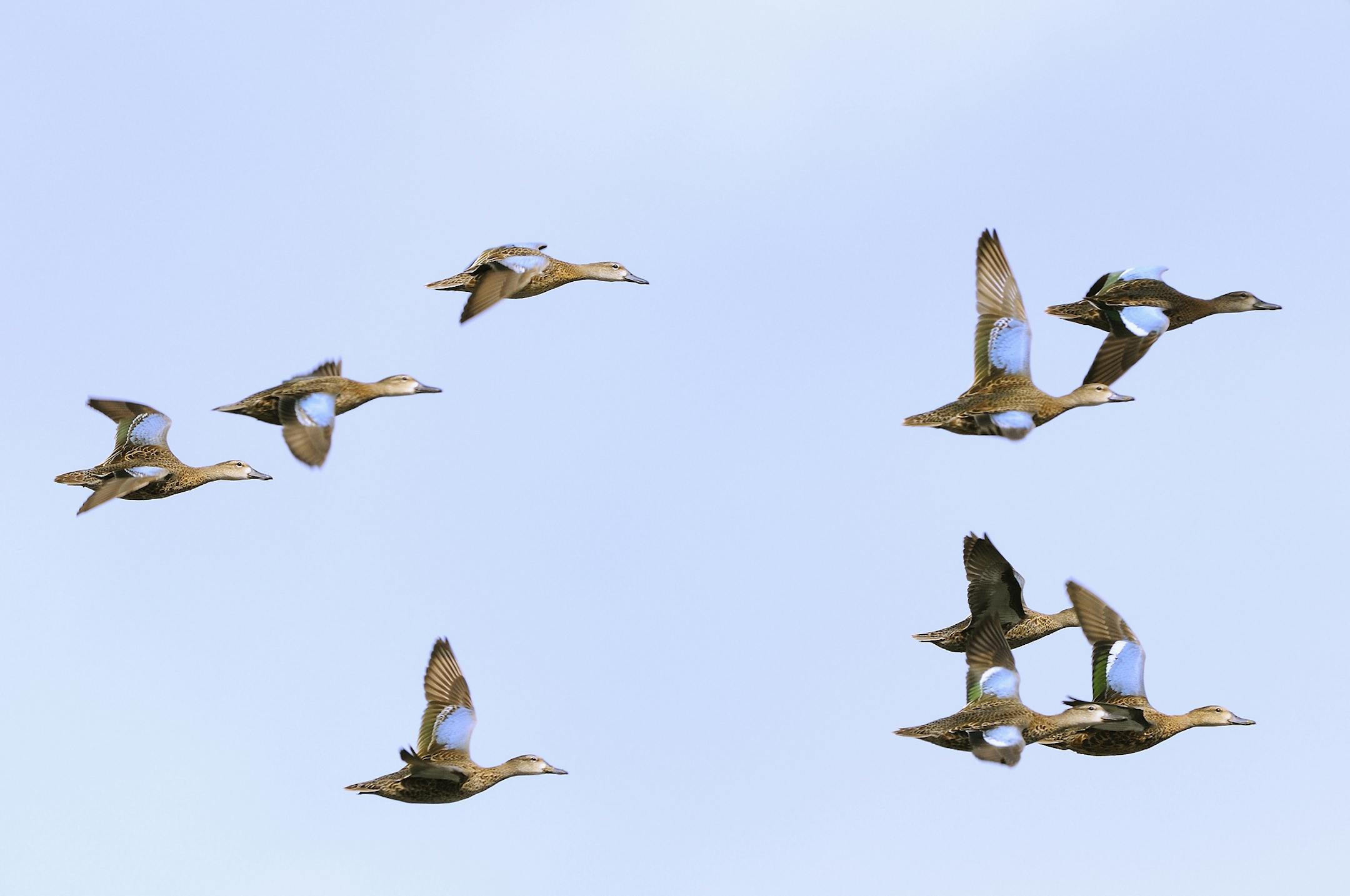
Everything you need to know about Minnesota waterfowl management these days is contained in the booklet of rules and regulations the Department of Natural Resources issues to duck and goose hunters.
Opening day shooting on Saturday morning, the pamphlet says, will begin not at noon or even 9 a.m. as in the recent past but a half-hour before sunrise, with a daily limit of six — 18 if you hunt through Monday. And don't forget: The wood duck limit is three, not two, as it was not long ago. And get this: You can even kill two hen mallards. Six if you stay a couple extra days!
Basically, as the DNR booklet instructs, if it's mid-September or thereabouts in Minnesota, it must be time to shoot whatever you see, duck-wise. Or, as is more likely the case in the half-light Saturday morning, what you can't see.
Under DNR Commissioner Tom Landwehr and his deputy, Dave Schad, duck management was supposed to be different. Or so some of us thought. After all, Landwehr is a wildlife professional and a former Ducks Unlimited staffer. Ducks were said to be his wildlife species of choice, as they are of his hunting partner, Schad.
So surely, the thinking went — especially now, during the greatest U.S. farmland conversion since the tractor replaced the horse — these two guys would stand tall and very publicly against the onslaught of degradation that has overwhelmed Minnesota wetlands and wetland wildlife, not least ducks.
And just as surely, it was thought, they would continue Minnesota's grand tradition of protecting its breeding ducks to keep them in the state longer and, not incidentally, to ensure they are not killed disproportionately on their home waters, before they disperse down the Mississippi Flyway.
This valiant struggle, we figured, Landwehr would enjoin because ducks represent Minnesota's grand natural treasure, and for generations, no state boasted more duck hunters, raised more money for these birds or spawned more celebrated artists who drew inspiration from their winged flights.
Given this legacy, the last thing Landwehr and Schad would do, surely, is pander to the minority of the state's fast-diminishing waterfowlers who think these birds somehow magically appear from beneath corn stalks or soybean plants, plentiful as each is in the state, or that the supply of ducks is endless.


