The Canaanites lived at the crossroads of the ancient world. They experienced wars, conquests and occupations for millennia, and as a result evolutionary geneticists expected that their DNA would become substantially mixed with incoming populations.
They were wrong.
Astonishingly, today's Lebanese share 93 percent of their DNA with the ancient Canaanites.
The genetic analysis published in the American Journal of Human Genetics also found that the Bronze Age inhabitants of Sidon, a major Canaanite city-state in modern-day Lebanon, have the same genetic profile as people living 300 to 800 years earlier in present-day Jordan.
Later known as Phoenicians, the Canaanites have a murky past. Nearly all of their own records have been destroyed, so their history has been mostly pieced together from archaeological records and the writings of other ancient peoples.
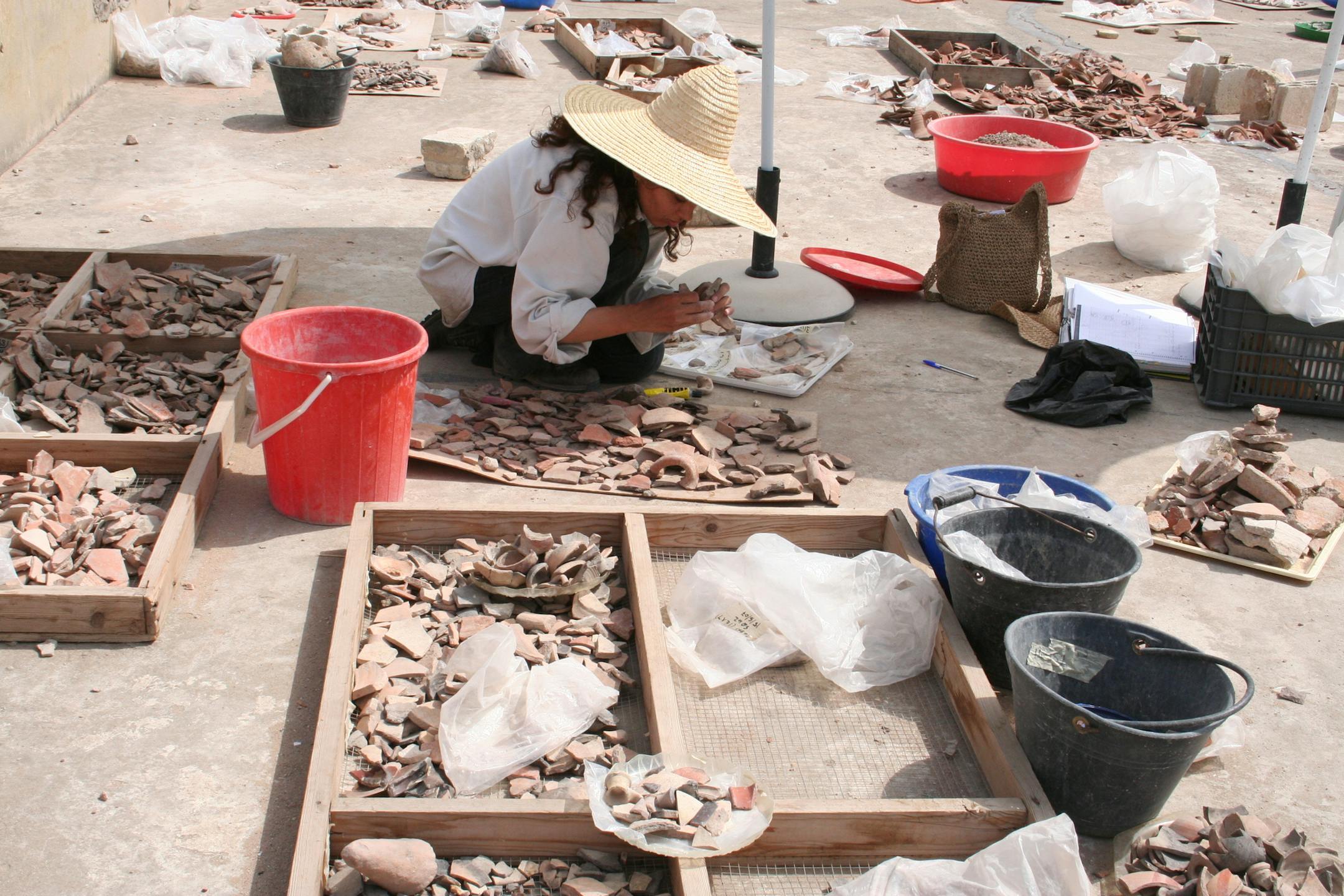
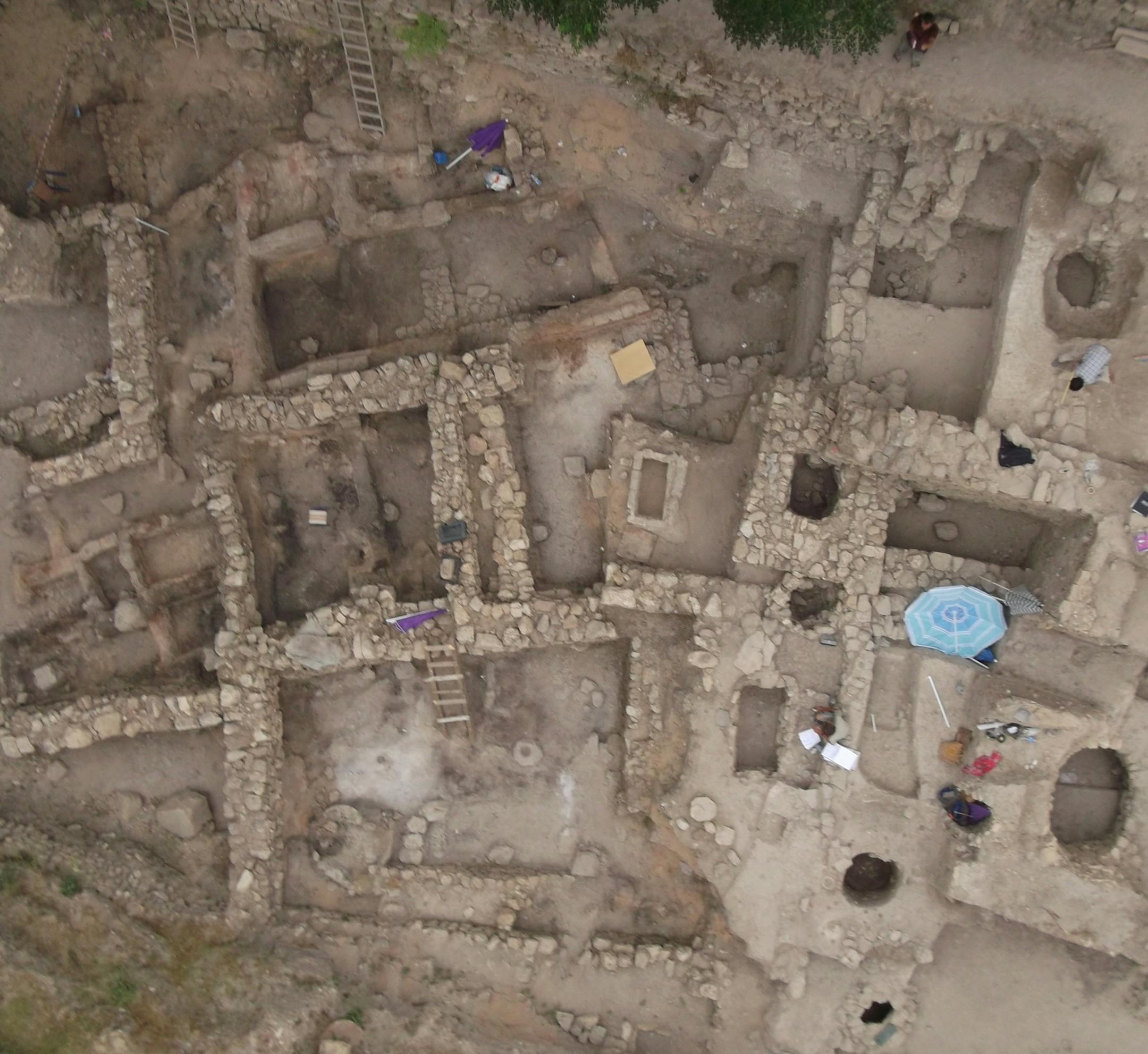
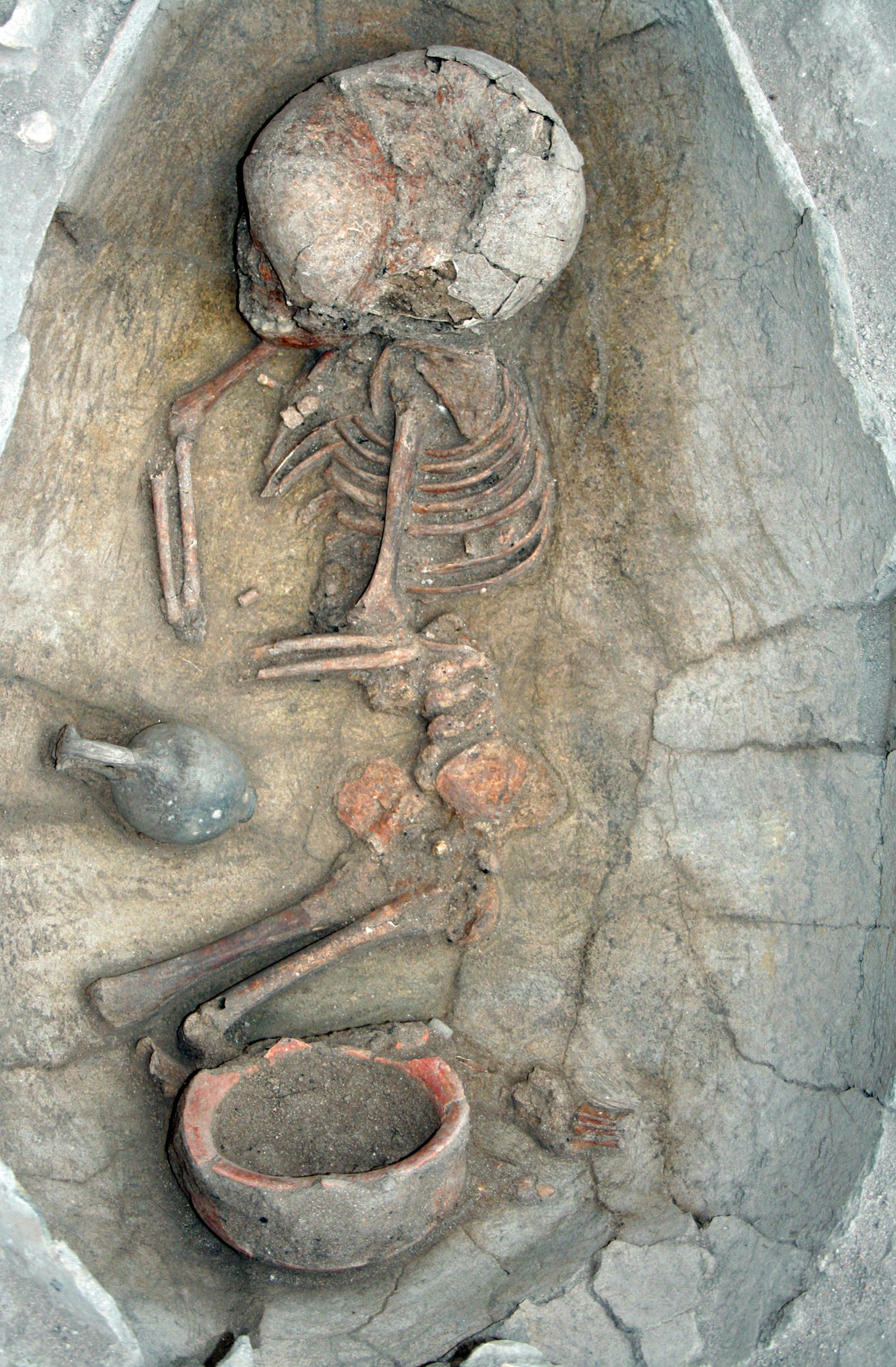
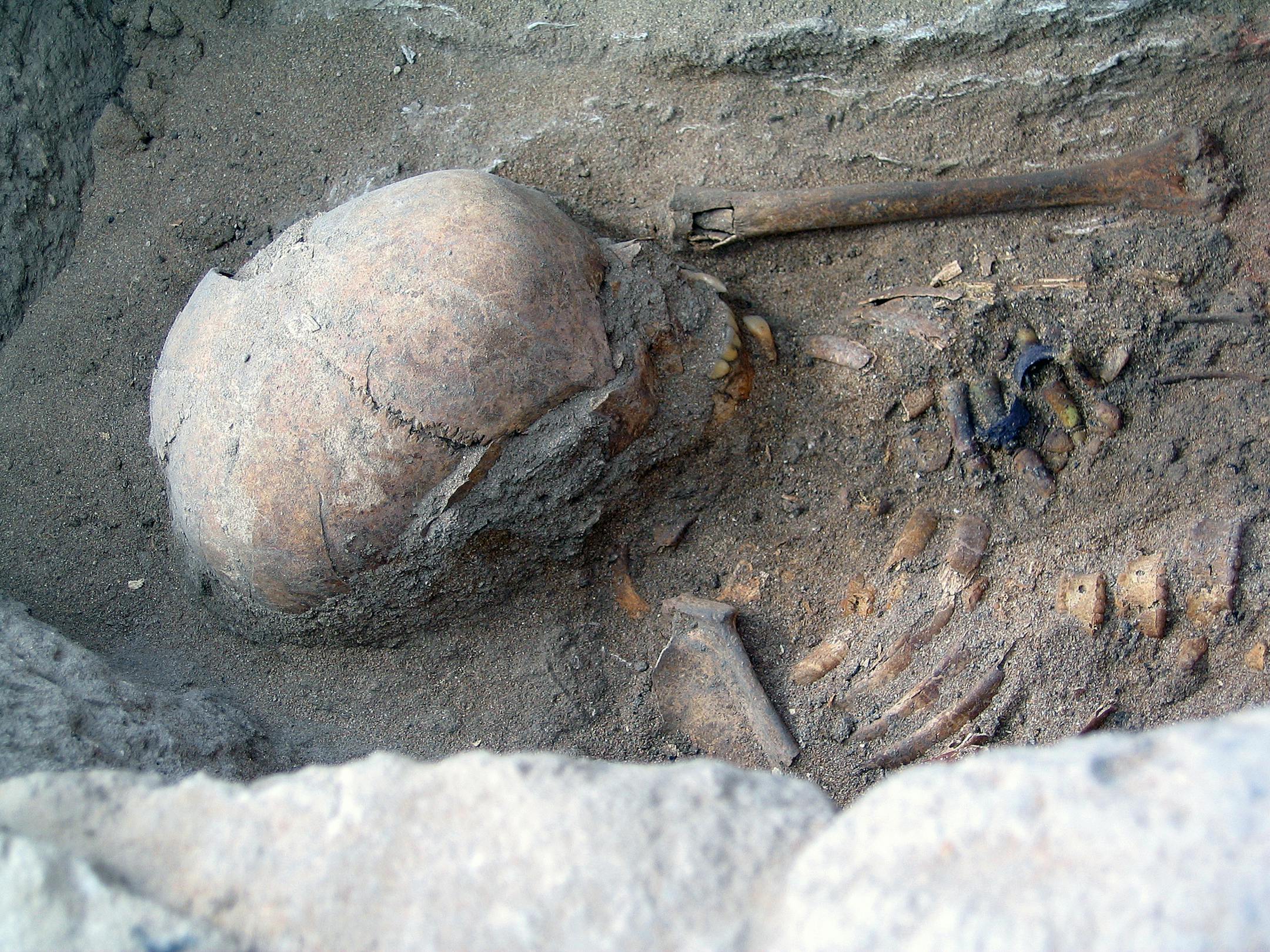
Archaeologists at the Sidon excavation site have been unearthing ancient Canaanite secrets for the past 19 years in the still-inhabited Lebanese port city. The team has uncovered 160 burials from the Canaanite period alone, said Claude Doumet-Serhal, director of the excavation.
Aided by new DNA sampling techniques, a team of evolutionary geneticists including Marc Haber and Chris Tyler-Smith from the Wellcome Trust Sanger Institute stepped in.
They sequenced the whole genomes of five individuals found in Sidon who lived about 3,700 years ago. The team then compared the genomes of these ancient Canaanites with those of 99 Lebanese people — Druze, Muslim, and Christian — living in the country, along with the previously published genetic information from modern and ancient populations across Europe and Asia.