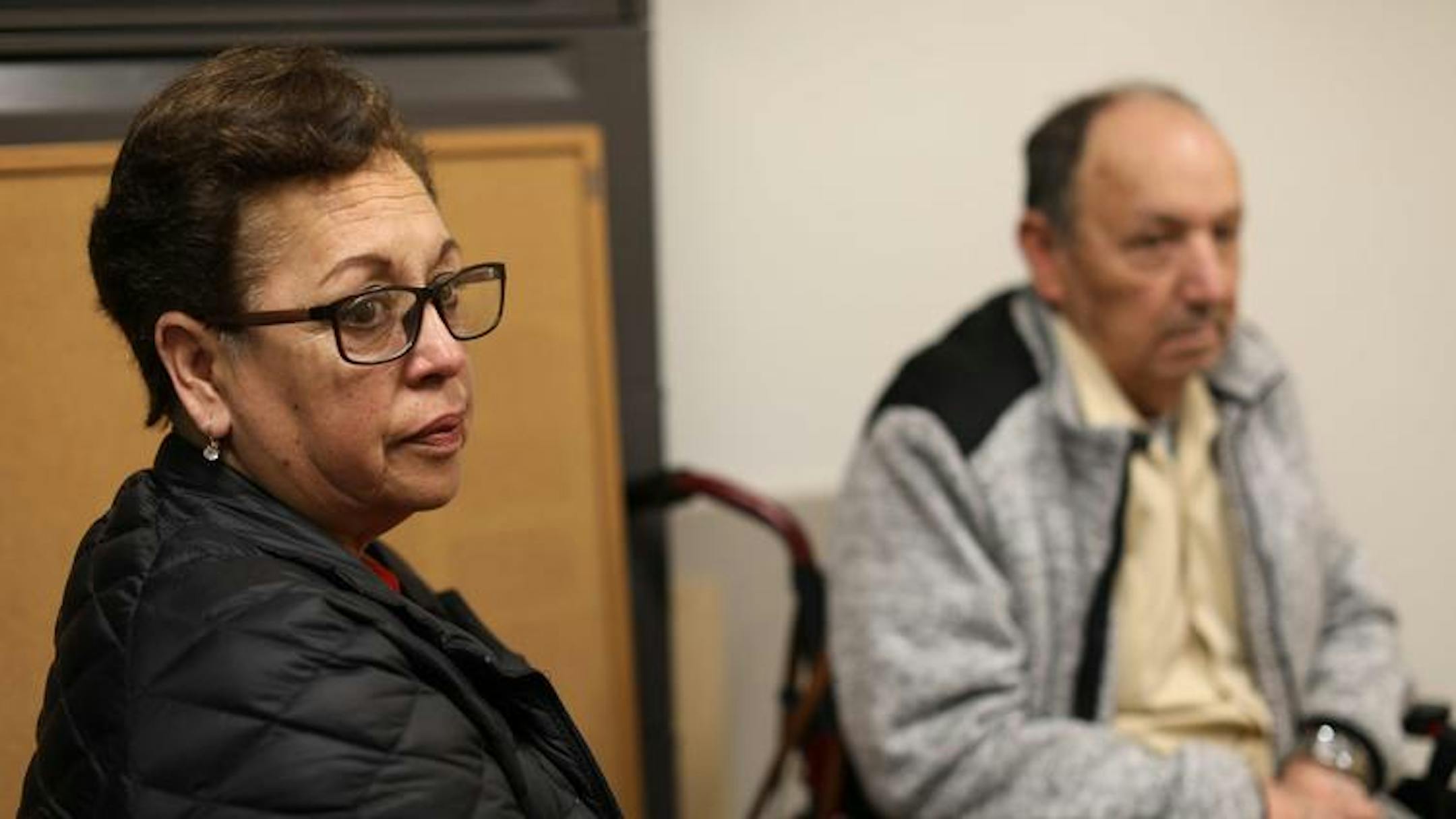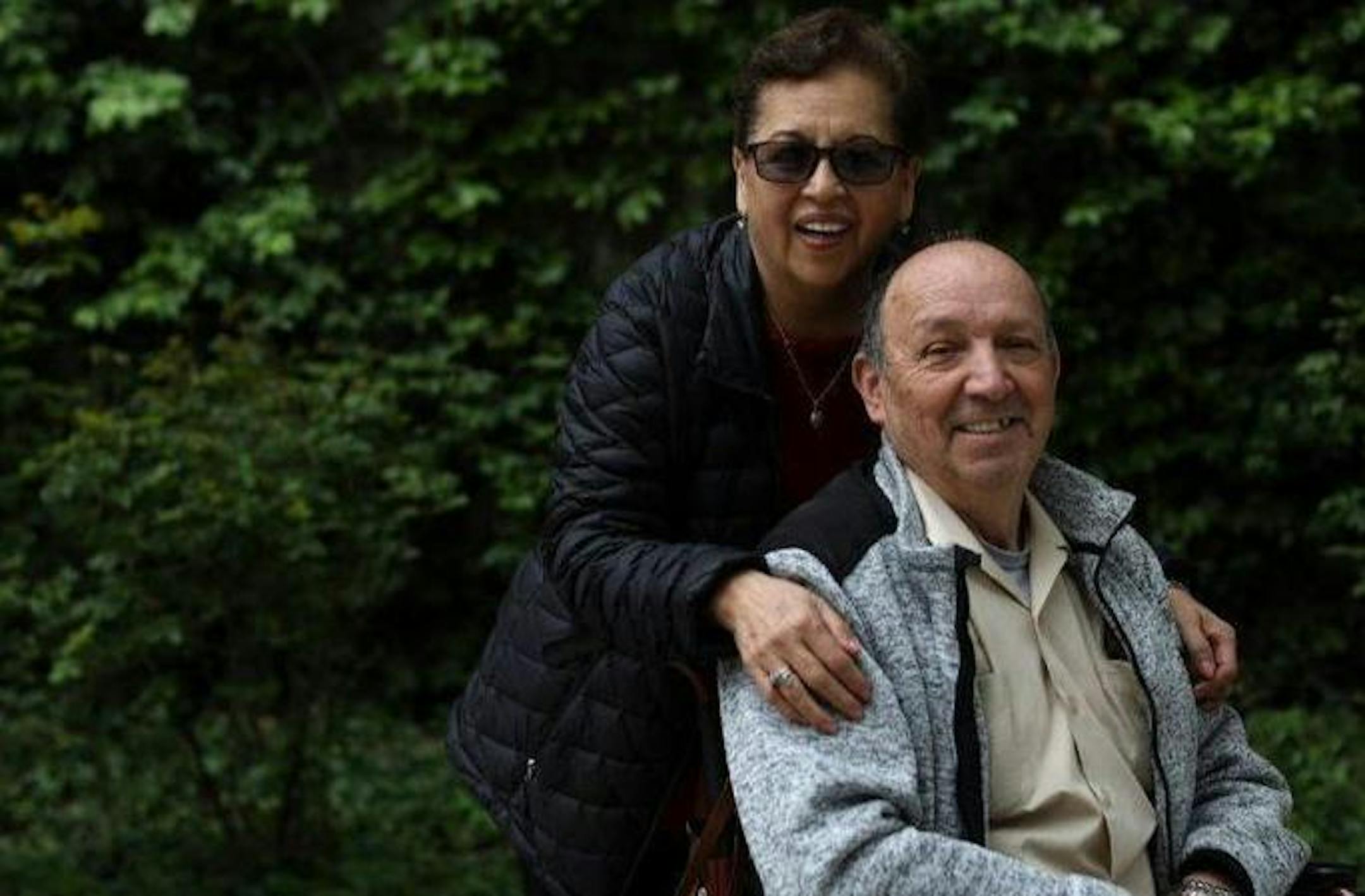
Salvador Campos had his first stroke in February 1994, weeks ahead of his 49th birthday. It left the father of three unable to move and unable to remember the names of loved ones, including his parents.
But Campos' mobility and memory gradually returned. All appeared normal until Campos, who immigrated to the U.S. from Mexico in the 1970s, had another stroke in 2014.
" 'Check on Dad,' " Martha Campos, his wife, remembers her daughter telling her after that stroke. " 'He's walking strange and acting weird.'
"He was never really the same after that day, and a year ago, he was diagnosed with Alzheimer's disease." Now 73, he is the third of six siblings with the brain disease. There is no cure.
Although diagnoses of Alzheimer's are expected to increase as the senior population grows nationally, Latinos like Campos are 50 percent more likely to develop the disease than their white counterparts, said researchers from the University of Southern California. Between 2012 and 2060, the number of U.S. Latinos living with Alzheimer's is projected to increase 832 percent — from 379,000 to more than 3.5 million, researchers said.
Despite this, experts say Latinos living with Alzheimer's are less likely to seek treatment, often because of financial barriers or language and cultural barriers.
"This really is a problem," said David X. Marquez, lead investigator of the Rush University Medical Center study. "And I'm not sure that people really know it's the problem that it is."
Researchers do not fully understand why older Latino and black adults are at increased risk for Alzheimer's disease, Marquez said. Genetics, level of education, chronic disease and stress are all suspected factors, as is an inactive lifestyle and poor nutrition.