

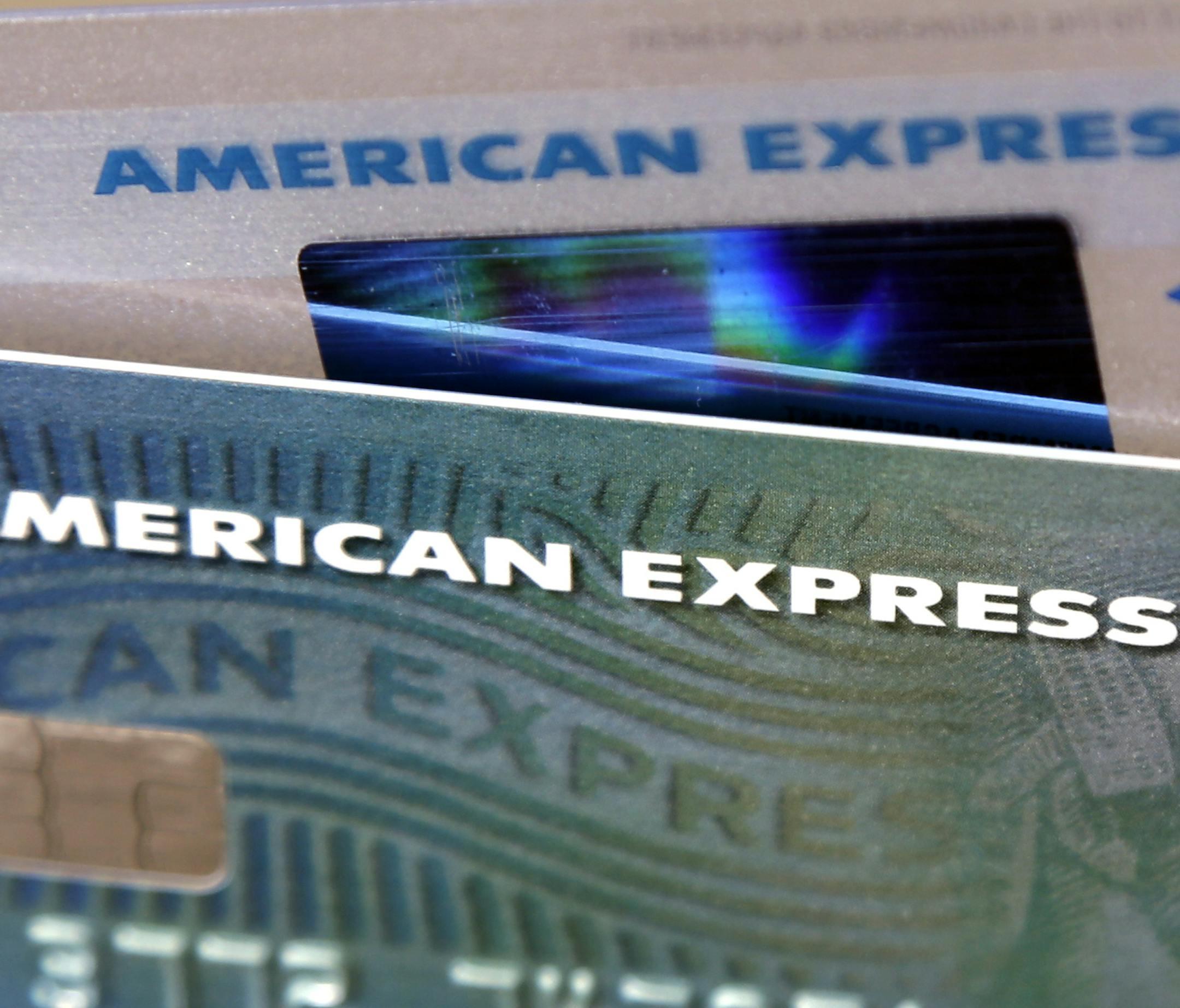
Don't take this too hard: Your autograph isn't worth what it once was.
American Express, MasterCard and Discover have each announced that, starting in April, they will no longer require signatures on any U.S. and Canadian credit card purchases. (Actually, American Express is making the change for transactions worldwide.) Visa hasn't announced plans to do the same, but there's speculation it may eventually do so.
That pretty much would fully evaporate what may be the most common reason U.S. consumers still bother writing signatures, which were once the most prominent symbol of our financial integrity and proof of our identity.
"Signatures may be going the way of the lava lamp," said William McCracken, president of Phoenix Synergistics, a metro Atlanta-based consumer market-research firm focused on the financial services.
The shift away from signatures also hints at the fantasy we all pretended to believe: that signatures actually proved something. "The industry's unspoken secret is that signatures on a credit card receipt are relatively worthless from a security standpoint," McCracken said.
Thieves only had to look at the signature on the back of a credit card, practice it a few times and come up with a fake good enough to pass. But even that involves some quaint thinking. Because not many people in places where we shop or dine is even glancing at signatures these days.
Signatures are still used on plenty of legal property documents, government-issued IDs, artwork, acknowledgments of medical privacy notifications, cards to grandma and anything fans can ask celebrities to scribble on.
Yet, in other ways they have been slipping from the economy.


