

WASHINGTON – Kate Spade wants to be Ralph Lauren.
Looking to quadruple retail sales to $4 billion, the handbag maker is modeling itself on Lauren's empire: a global lifestyle brand selling everything from apparel to home goods. Kate Spade & Co.'s CEO, Craig Leavitt, is focusing on categories with ready appeal — fragrances, jewelry, watches, sunglasses — and offering a range of price points to attract millennials on one end and luxury shoppers at the other.
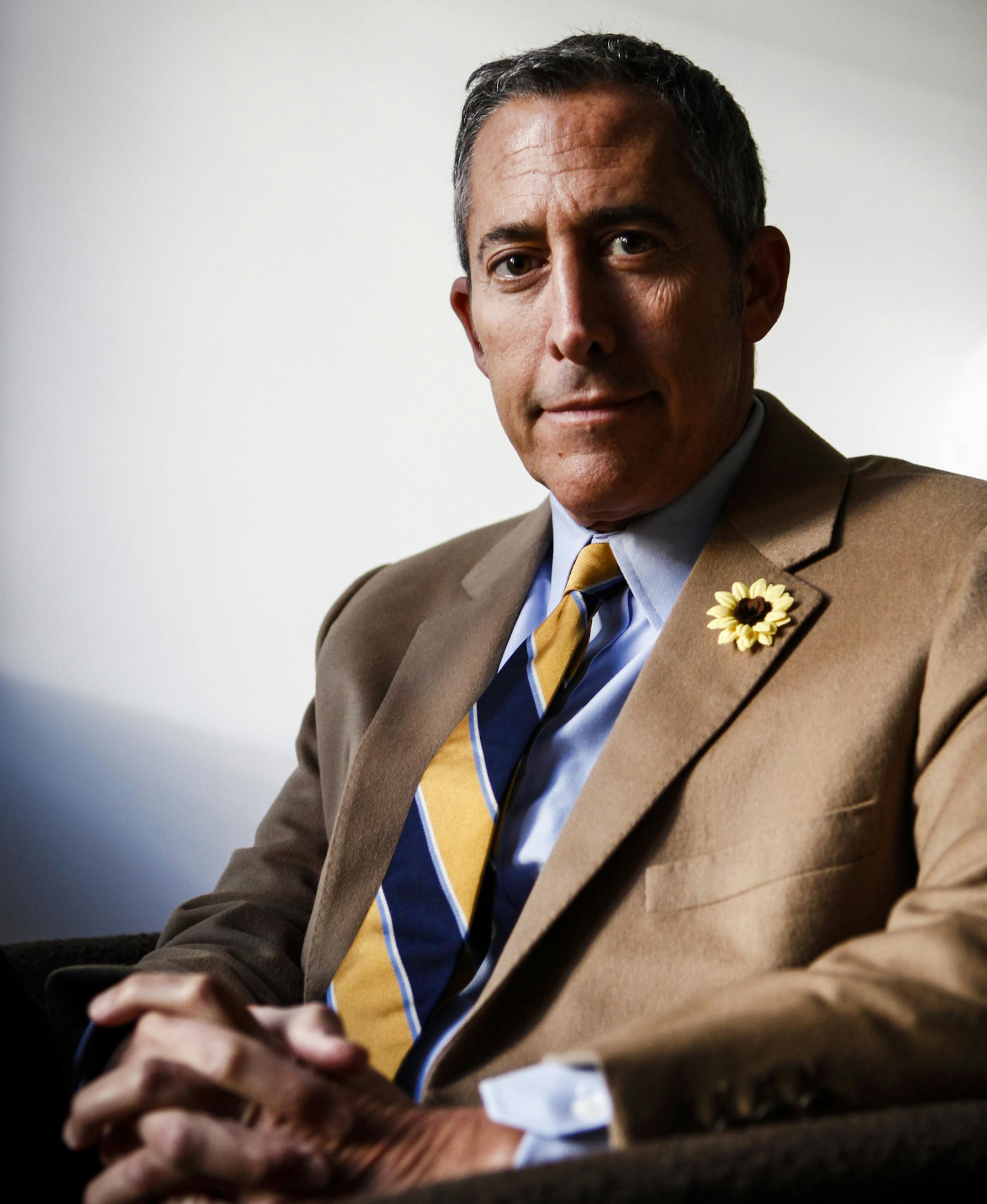
"Ralph Lauren is our business analog," said Leavitt, 53, a former Lauren lieutenant who joined Kate Spade in 2008 and became CEO of the parent company last month. "We're very confident in what we have set out to accomplish."
It's an audacious goal for a brand that is one-eighth the size of Ralph Lauren Corp. measured by fourth-quarter revenue, generates 75 percent of its sales in the U.S. and is known mostly for quirky handbags beloved by gadabout urban women. Having parted ways with its namesake founder, Kate Spade also lacks a Ralph Lauren, whose curated image is as responsible for selling a modern Gatsby lifestyle as the products themselves.
Even with all the challenges, investors are still largely bullish on Kate Spade. In the past 12 months, the shares have gained 92 percent. Eric Beder, an analyst at Brean Capital in New York, has questioned the shares' valuation and in January downgraded them to "neutral." On Feb. 26, he wrote that investors may be "highly disappointed."
Kate Spade has gone from a niche to mainstream brand in the past two decades. Founded in 1993 by Mademoiselle editor Kate Spade and her husband, Andy, the handbag maker won a small following by melding vibrant color with classic lines. The brand lost luster after Neiman Marcus bought majority control in 1999. Liz Claiborne acquired the company for $124 million in 2006, and the Spades left.
The company bounced around
At the time, Liz Claiborne owned 30 apparel labels, including Juicy Couture and Lucky Brands. Over the years, most were jettisoned or closed. Three years ago, the company sold Liz Claiborne to J.C. Penney and subsequently renamed itself Fifth & Pacific Cos. Last year, as it sought to focus on Kate Spade, Fifth & Pacific sold Juicy's intellectual property to Authentic Brands Group and agreed to sell Lucky to Leonard Green & Partners. Only the Kate Spade and the Adelington Design Group jewelry brands remain, and last month the holding company became Kate Spade & Co.
Creative Director Deborah Lloyd, recruited in 2006 after rejuvenating Burberry Group PLC's namesake brand, has updated the handbags and broadened out into other categories, including jewelry and apparel. Last year, the company unveiled Kate Spade Saturday, a sub-brand pitched at younger women with merchandise priced at about half that of the regular Kate Spade.



