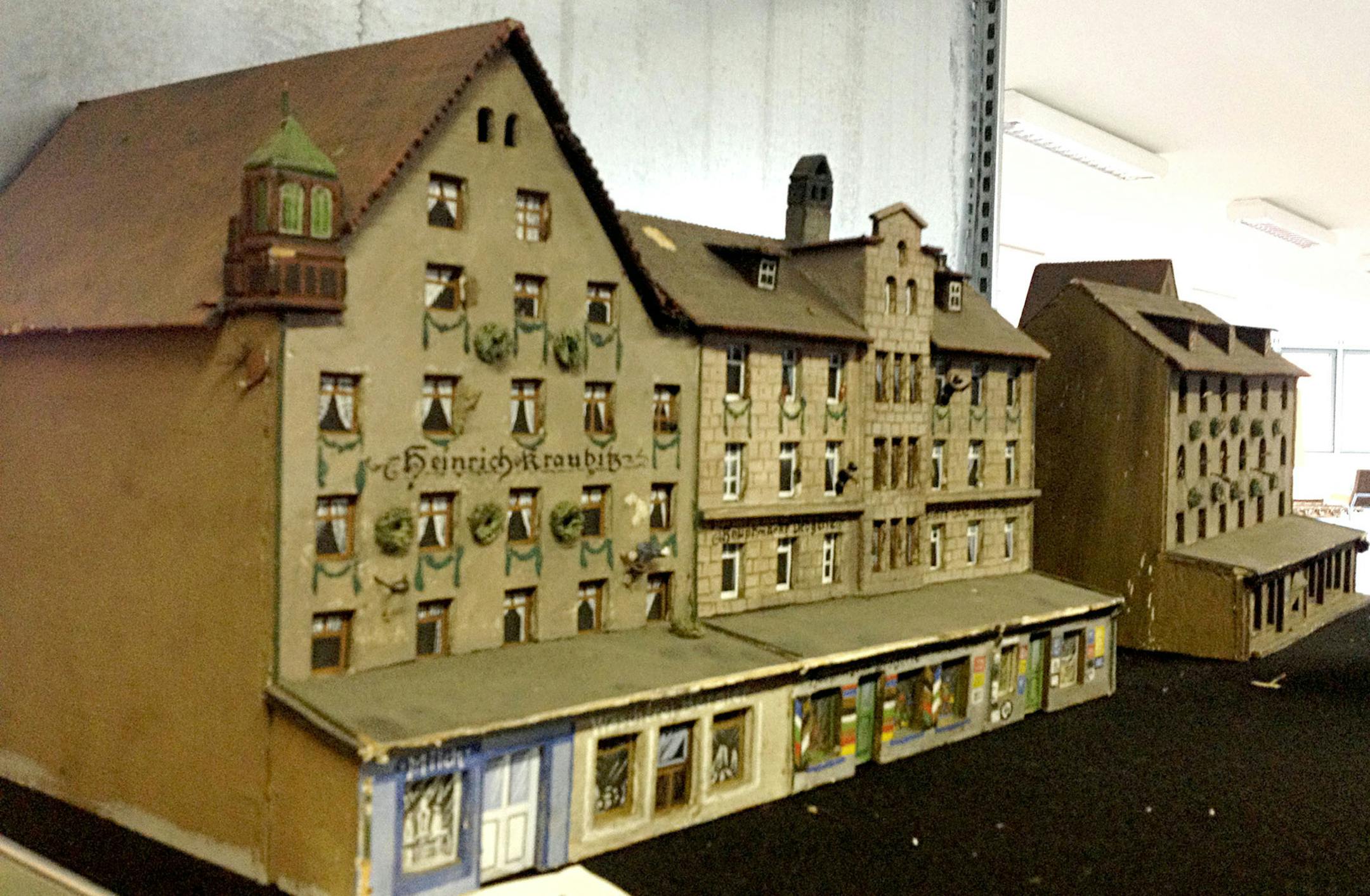
BERLIN - The miniature half-timbered houses are crafted by hand and decorated with wreaths. Tiny figures lean out of the windows, among them a man in uniform with a swastika armband giving a "Heil Hitler" salute.
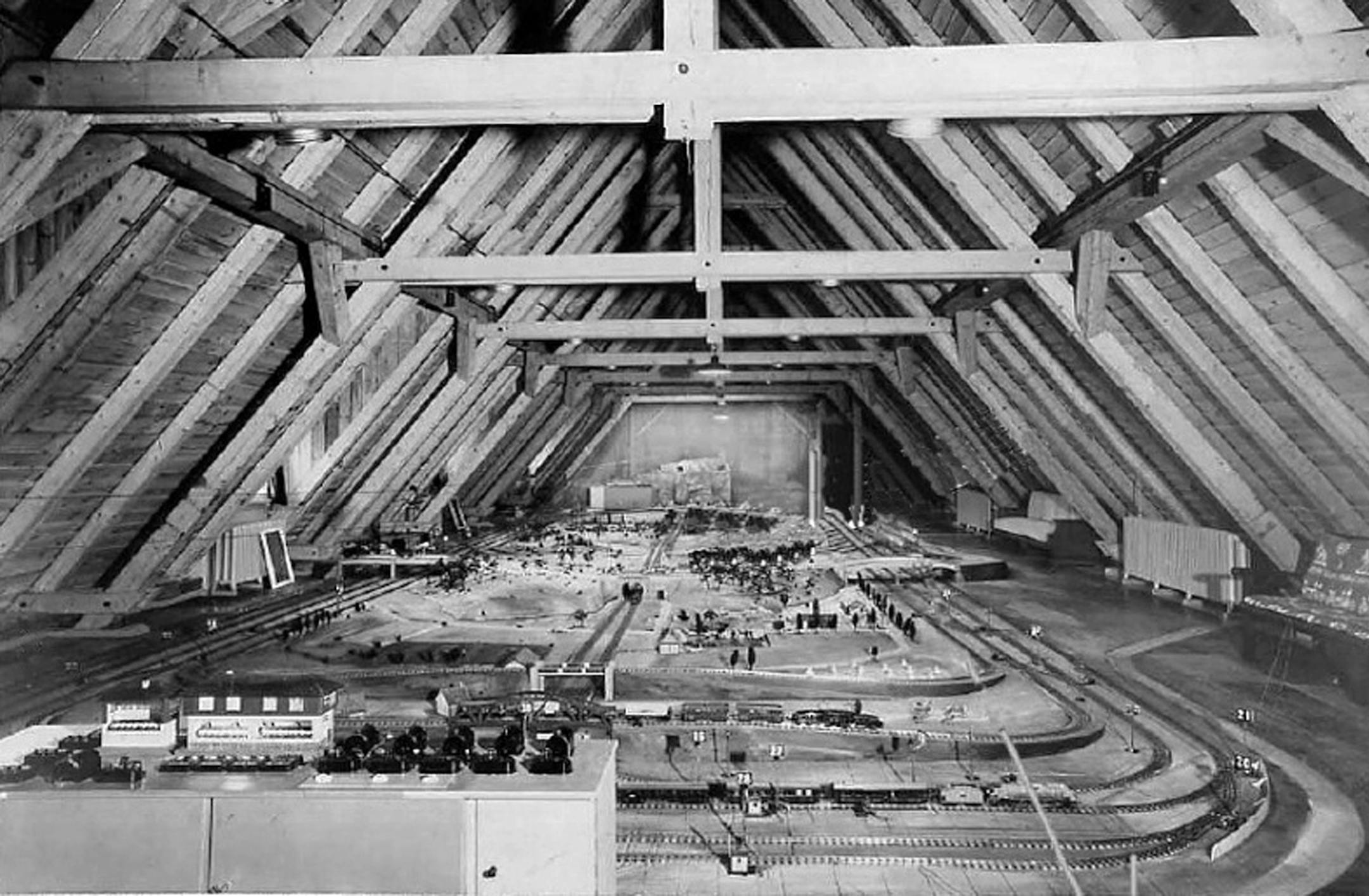
One shoebox-size building has a row of shops; another is lined with balconies and flower boxes. They may have been part of a model railway set owned by Hermann Goering, Adolf Hitler's right-hand man in the Nazi party and commander-in-chief of the Luftwaffe. He owned two train sets together covering 4,305 square feet at his country estate.
"We can date these houses from between 1933 and 1945," said Frank Beseke, a legal specialist working for the German government. "We have a lot of other things that belonged to Goering, which suggests these may well have come from Carinhall too," he says, referring to the Reichsmarschall's home north of Berlin.
Today, they sit on a shelf in a government depot in Berlin, where Angelika Enderlein, an art historian employed by the government, is researching the ownership of a trove of unclaimed paintings, sculptures and other items. Some were plundered from Jewish families; some belonged to Nazi leaders.
Thousands of treasures were discovered in mines, caves, palaces and depots and assembled at a collecting point in Munich by the U.S. and British Monuments, Fine Arts and Archives unit.
"It would have been helpful if the Allies had given us more information," Enderlein said, holding up two blue index cards documenting the model houses. They are blank on the back, giving no clue of the previous owners.
A morphine addict who kept pet lions, jangled emeralds like small change in his pockets and built up a huge stash of stolen art, Goering also loved toys.
Photos show him displaying his train sets to houseguests including Hitler and the Hungarian leader Miklos Horthy in the attic and basement of Carinhall.