Travelers navigating through a busy airport have become accustomed to a hectic juggle of IDs and boarding passes while lugging bags through security checkpoints and boarding.
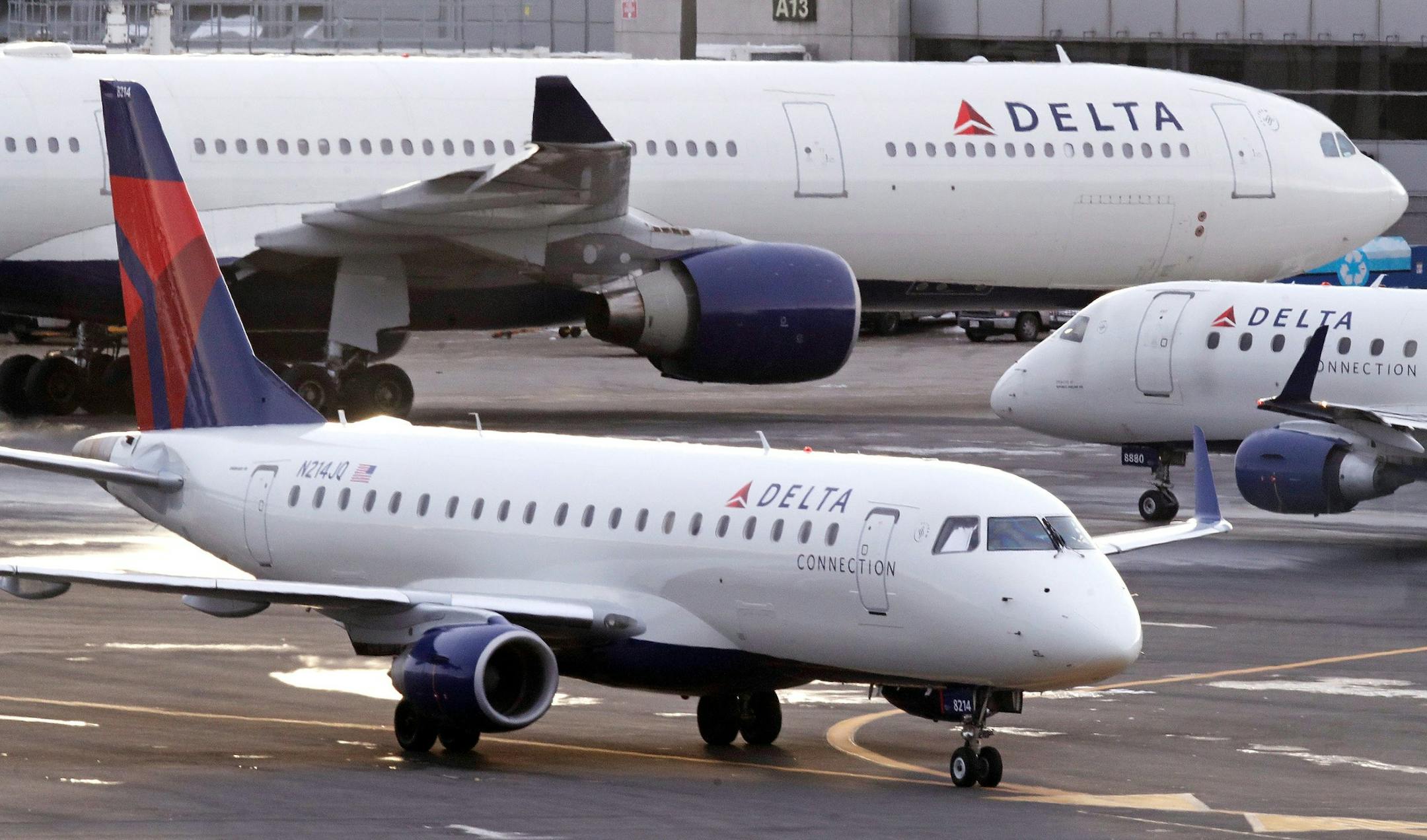
Recently, companies including Atlanta-based Delta Air Lines have been gradually adding technology to streamline the process and replace IDs and boarding passes with fingerprints and facial scans.
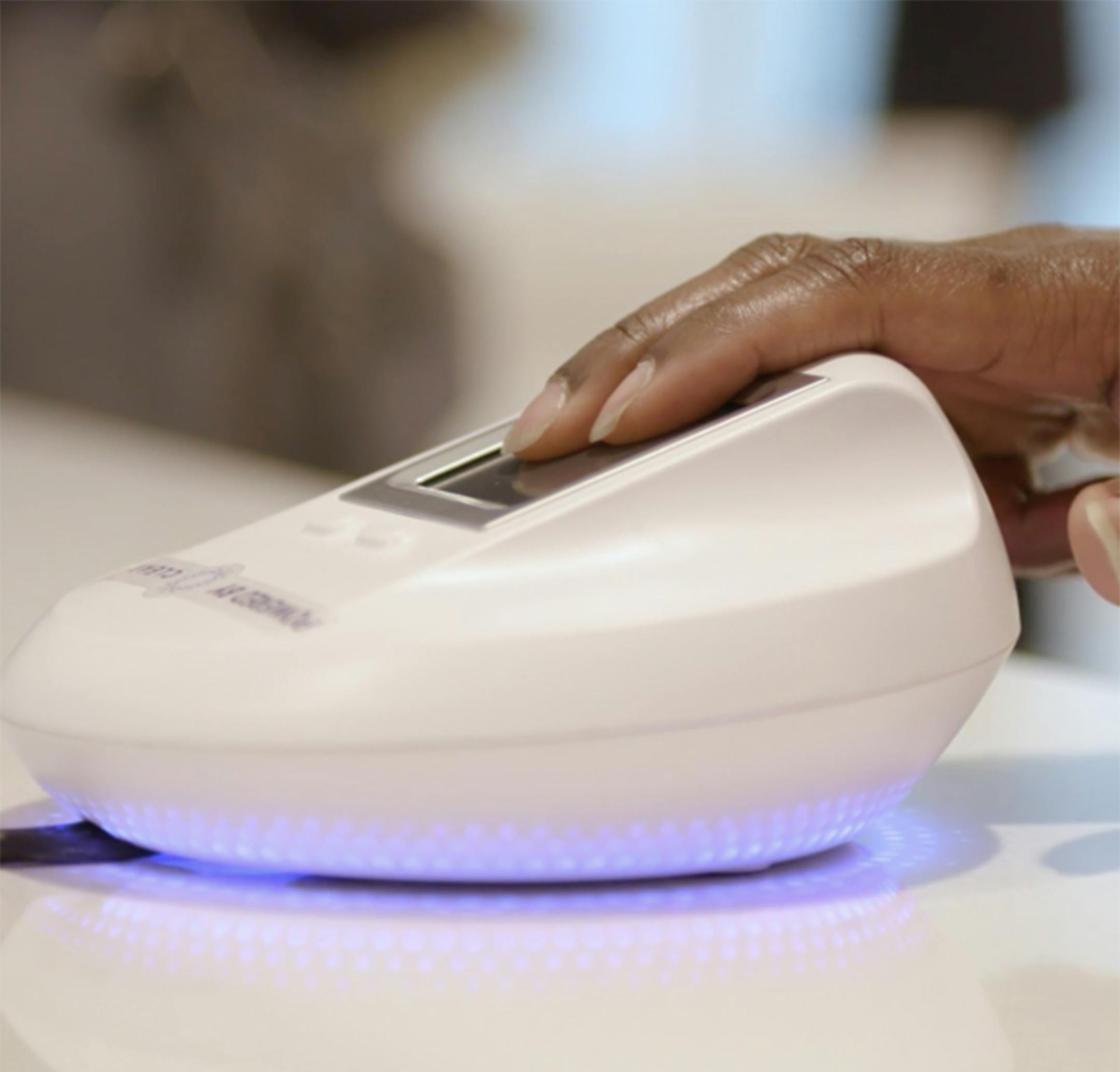
Delta's latest move along the biometrics path is allowing members of its Sky Club airport lounges to enter using their fingerprints instead of a membership card or boarding pass.
As more people become accustomed to using their fingerprints or faces to use their smartphones, travelers have also become inured to the spread of biometrics in the airport.
But some privacy advocates warn that convenience could mask the risks of a world where security depends on fingerprints and facial scans.
Some passengers have been using biometrics to identify themselves at the airport. Instead of showing an ID at an airport security checkpoint, Clear members approach a kiosk and press two fingers down. Clear is a trusted traveler membership program with a tagline "No ID, no lines, no limits."
Delta in 2016 struck a partnership with Clear and bought a 5 percent stake in the company as a critical step in a much bigger plan to build the backbone for a biometrics system and database of passengers that could transform how travelers move through the airport.
As part of the partnership, Delta is incentivizing its customers with a discount to sign up for Clear, which normally costs $179 annually but is $99 for Delta frequent fliers and free for Delta's diamond-level elite frequent fliers. Delta and other airlines including JetBlue have also rolled out a hodgepodge of pilot programs using biometrics.