

Apparently the corporate warlords who fund the American Legislative Exchange Council are a little weak in the knees.
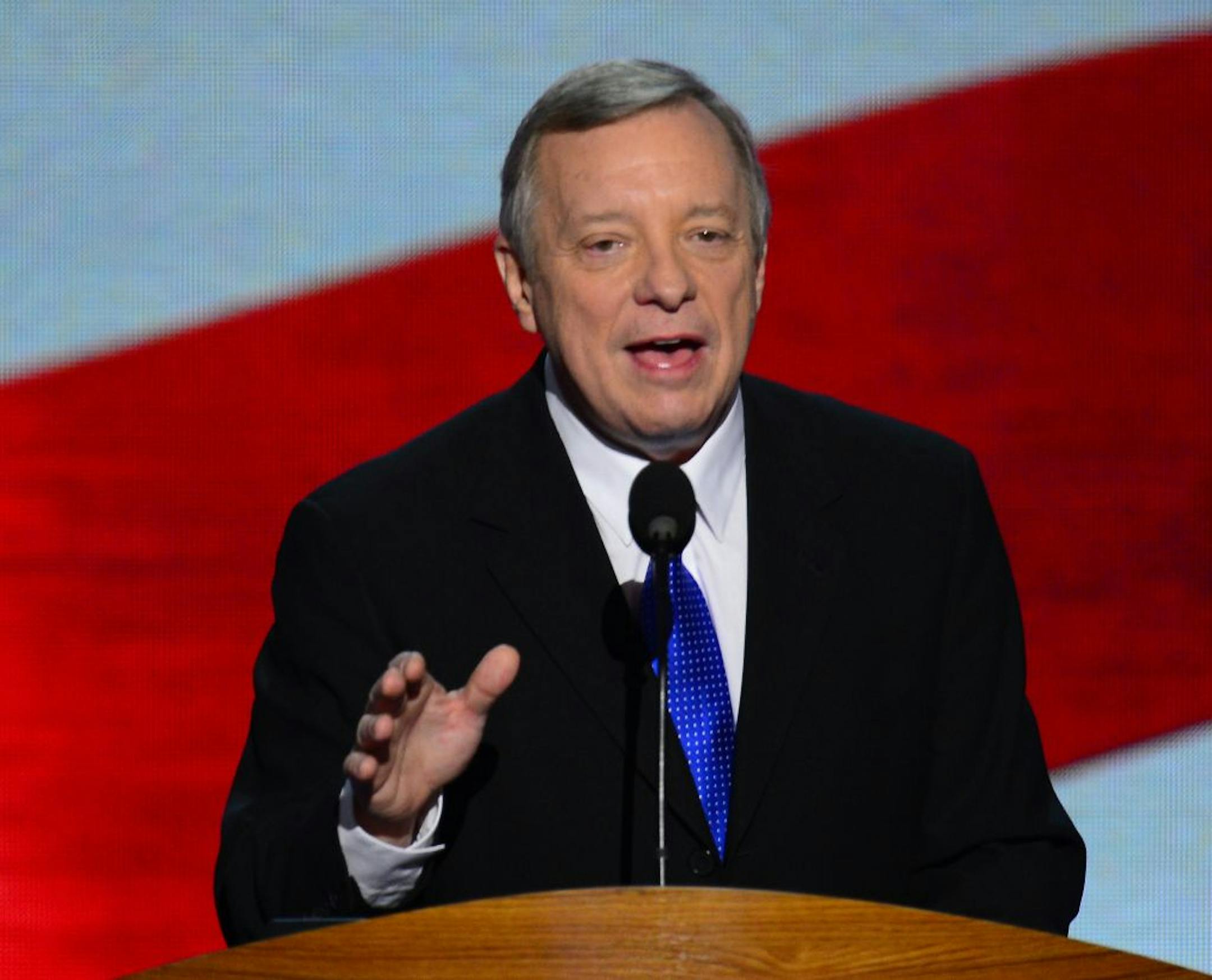
How else to explain their freak-out last week at their annual meeting at Chicago's posh Palmer House Hilton after U.S. Sen. Dick Durbin, D-Ill., dared to ask a few ALEC members their views on "stand your ground" laws?
On Aug. 6, Durbin sent a letter to about 300 current or former corporate members of ALEC to ask a couple of simple questions. The assistant minority leader wanted to know whether the organization or corporation was still a supporter of ALEC and whether they backed "stand your ground" laws ("For Minnesota think tank, ALEC haters' witch hunt hits home," Aug. 14).
In September, Durbin plans to convene a subcommittee hearing to study such laws in light of the Florida verdict acquitting George Zimmerman in the killing of Trayvon Martin. Inasmuch as ALEC's support was critical to Florida's 2005 decision to pass the nation's first stand-your-ground law, it seems reasonable to ask ALEC's members and funders whether the Trayvon Martin case changed their minds.
The bad publicity ALEC received after an unarmed Martin was shot dead by Zimmerman led many corporations to withdraw their support for ALEC. The group creates cookie-cutter legislation with the primary goal of enriching the corporate bottom line. Dozens of companies like Express Scripts and Wells Fargo and Wendy's and Coca-Cola bailed on ALEC.
So isn't it reasonable for Durbin to find out which companies are still standing their ground on "stand your ground"?
No, responded ALEC. It's intimidation.
That's right, a U.S. senator daring to ask an opinion of a corporation or advocacy organization is "political intimidation," according to the statement ALEC put out last week. The group followed it with a breathlessly written letter on Monday defending the organization's right to assemble (which nobody was questioning).


