
UnitedHealth expects Medicare Advantage enrollment to shrink by 1M

Eden Prairie-based health care giant raised its financial outlook as third quarter profit beats expectations.

The Minnesota Star Tribune
October 28, 2025 at 5:40PM
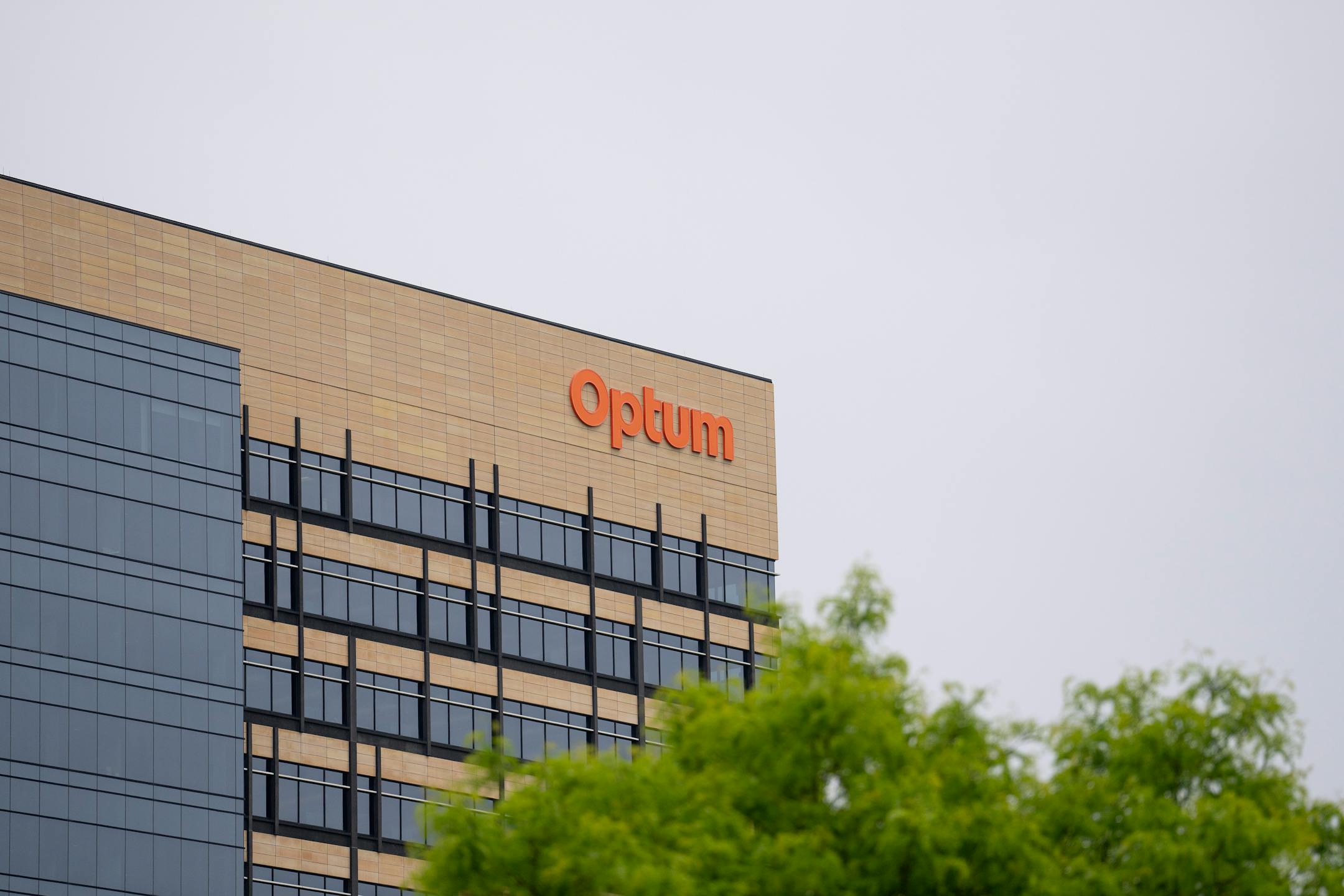
UnitedHealth Group headquarters, which is located on the campus of its Optum division in Eden Prairie, Minn. (Alex Kormann/The Minnesota Star Tribune)

UnitedHealth Group expects its Medicare Advantage enrollment will shrink by 1 million people next year.

The Eden Prairie-based health care giant is trimming its offerings across the country while focusing on higher profit margins in its business as the nation’s largest provider of the government-backed Medicare Advantage coverage, the privatized form of Medicare.

The company announced in July it would drop Medicare Advantage plans in 2026 covering more than 600,000 people nationally due in part to rising medical costs and tighter federal funding.

On Tuesday, executives said enrollment likely will slip by another 400,000 people as enrollees turn to other insurers due to UnitedHealth’s higher prices and reduced benefits. Though insurers typically compete to enroll the most beneficiaries, UnitedHealth is focusing on a smaller pool of patients as earnings from Medicare Advantage have significantly diminished.

“Our plan for next year reflects a conservative path focused on [profit] margin growth,” Tim Noel, the UnitedHealthcare chief executive, said Tuesday during a call with investors. “We made significant adjustments to benefits.”

In Medicare Advantage, beneficiaries opt to receive their government coverage through private insurers. Heavily advertised on television, Advantage plans across the country have grown steadily over the past two decades and now enroll a majority of Medicare members.

Federal officials anticipate enrollment across the industry will remain stable next year, but insurance companies project Medicare Advantage enrollment will slip from 34.9 million people this year to about 34 million in 2026. UnitedHealthcare provides the coverage to about 8.4 million beneficiaries as of Sept. 30.

UnitedHealth executives’ commentary on Medicare products came as the company released third-quarter financial results Tuesday that beat investor expectations and prompted the company to increase its earnings outlook for the year. Yet the $2.35 billion profit earned by United between July and September was less than half the profit reported during the same period last year.

UnitedHealth shares rose about 1.5% in morning trading.

The Eden Prairie-based health care giant is trying to restore investors’ confidence after financial results earlier this year fell far short of expectations, leading to a stock price plunge and a management shakeup. The company operates UnitedHealthcare, the nation’s largest health insurer, plus a fast-growing division called Optum for health care services and prescription drug management.

“We are getting at the core of the underperformance issues,” said Stephen Hemsley, the company’s chief executive.

The company’s Medicare Advantage enrollment has grown in tandem with the program over the past 20 years. That will change next year due to a “disciplined approach” in setting prices for employer groups that buy Advantage coverage for retirees as well as “more aggressive competitor actions,” said Bobby Hunter, the company’s chief executive for government programs.

Medicare open enrollment started Oct. 15 and the “early results are in line with our strategic positioning for 2026,” said Noel, the UnitedHealthcare chief executive. The annual sign-up period ends Dec. 7.

In Minnesota, UnitedHealthcare says it’s closing five plans and will stop selling Medicare Advantage coverage in 45 of the 72 counties where it operates. Reductions are concentrated in southern Minnesota, where Mayo Clinic will no longer be in-network for most of the company’s Medicare Advantage plans next year.

One UnitedHealthcare plan with about 20,000 current enrollees in Minnesota will see premiums increase by 42%, from $66 to $94 per month.

Managing costs

To better manage overall costs going forward, UnitedHealth will reduce some international operations, Hemsley said, and take other actions resulting in a future charge of $1 billion or more.

UnitedHealth previously announced plans to sell its Banmedica division, which operates hospitals and clinics in South America. The company also will finalize initiatives to recoup the remaining outstanding loans it made to health care providers following the 2024 cyberattack at its Change Healthcare business, Hemsley said.

The company last year provided about $9 billion in loans to hospitals and clinics that struggled with revenue after UnitedHealth had to take a down a widely used system for processing payments in order to contain the cyberattack threat. About $6 billion had been repaid through the end of the third quarter.

And the company will consolidate or exit locations within its large Optum Health clinic business, which employs or affiliates with about 85,000 physicians across the country.

“While we have not yet finalized these plans, many of these actions are underway and we believe they will improve both our focus and long-term performance,” Hemsley said.

Between July and September, UnitedHealth Group reported profits of $2.35 billion on revenue of $113.2 billion. The third-quarter income was down from $6.06 billion during the same period last year.

After adjusting for one-time factors, earnings of $2.92 per share were better than the $2.81 expected by analysts.

While medical costs remain high, they were better than expected during the third quarter, Edward Jones analyst John Boylan wrote Tuesday in a note to investors. Optum, however, saw lower-than-expected profits due in part to Medicare funding reductions.

“Optum should see better profits in the future, but ongoing costs could linger for the next few quarters and bear watching,” Boylan wrote.

The company’s recent troubles have extended beyond financial performance.

UnitedHealth Group in June acknowledged a Justice Department probe apparently focused on allegations that the company has gamed Medicare Advantage by using diagnosis data to wrongly boost risk-based payments.

The company is embroiled this fall in contract disputes with several health care providers including Minneapolis-based Fairview, which alleges wrongful payment delays and denials by the health insurer. The insurer denies the allegations and says Fairview is using patients as a bargaining chip while arguing for higher prices.

In a bid to restore investor confidence, the company changed chief executives in May, returning longtime CEO Hemsley to the top job after UnitedHealth Group shares lost about half their value over a six-month period.

Hemsley has pledged to the public and care providers that UnitedHealth Group is undergoing a culture shift that includes becoming more provider-friendly. It is also working to become more consistent and reliable, Hemsley said, in delivering financial results.

“Repricing within UnitedHealthcare is on track to drive solid operating earnings growth from margin improvement,” Hemsley said Tuesday. “In our less-mature businesses such as Optum Health and Optum Insight, our efforts to improve operations and make needed investments will show more measured progress.”

UnitedHealth Group employs some 400,000 people, including 19,000 in Minnesota. The company now expects full-year earnings of at least $16.25 per share, up from guidance of at least $16 per share set in July.

about the writer

about the writer

Christopher Snowbeck

Reporter

Christopher Snowbeck covers health insurers, including Minnetonka-based UnitedHealth Group, and the business of running hospitals and clinics.

See Moreicon

More from Health Care

See More
card image
Elizabeth Flores/The Minnesota Star Tribune

About 250 will see layoffs in January, and the future is uncertain for another 450 who can keep working as UCare sells assets to rival insurer Medica, which is hiring hundreds at the same time.

card image
card image