
UnitedHealthcare dropping some Medicare Advantage plans, affecting 600,000

Stock fell 7% Tuesday as Eden Prairie-based health care giant’s new earnings projections are short of expectations.

The Minnesota Star Tribune
July 29, 2025 at 7:02PM
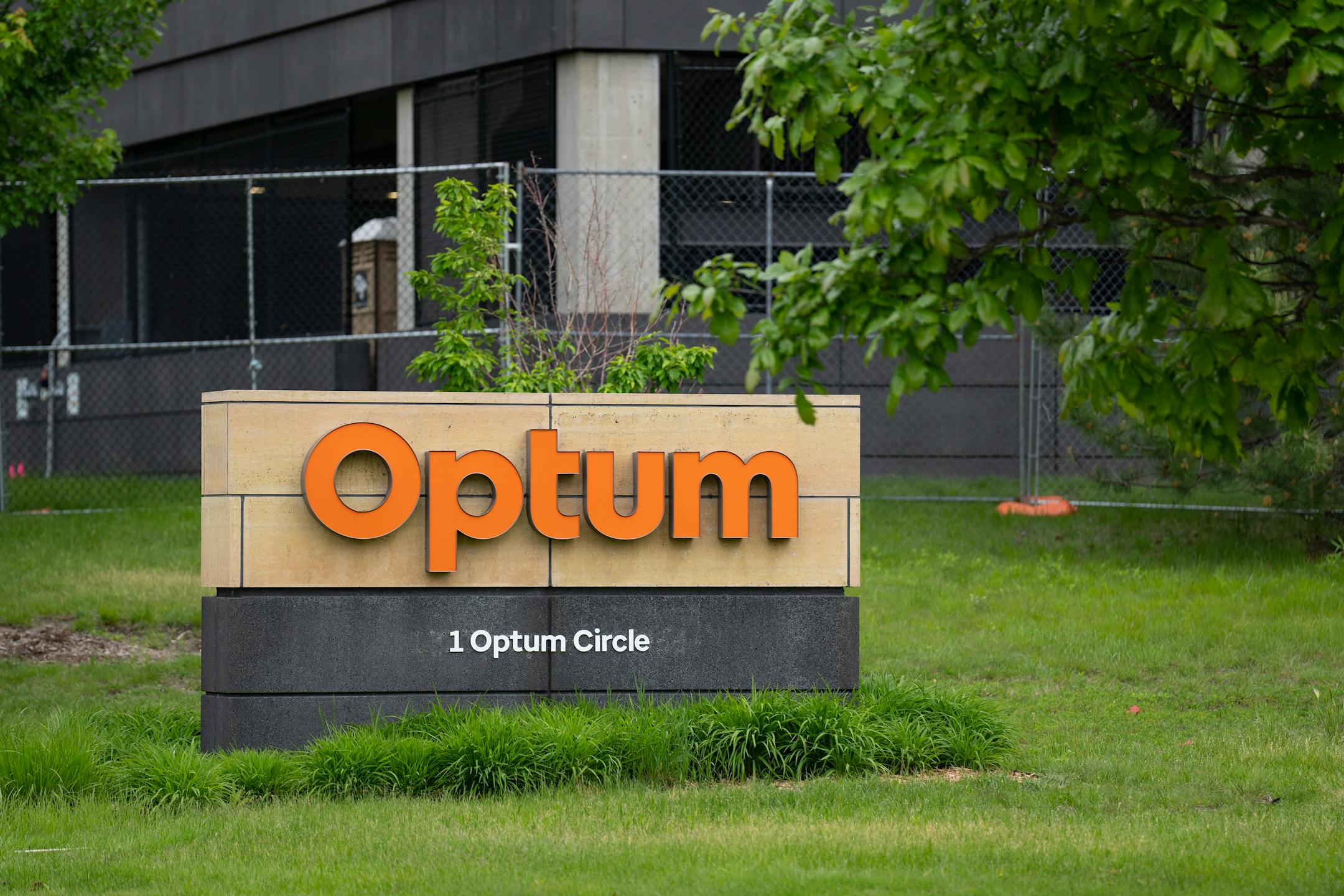
UnitedHealth Group has its headquarters in the Optum campus in Eden Prairie. (Alex Kormann/The Minnesota Star Tribune)

UnitedHealth Group’s massive health insurance business will drop Medicare Advantage health plans covering more than 600,000 people as it tries to reverse its financial decline.

It’s one of several strategies to shore up finances that executives detailed for investors Tuesday.

The company’s insurance arm, UnitedHealthcare, is the nation’s largest provider of Medicare Advantage health plans, a privatized version of the original government health insurance program.

The Eden Prairie-based health care giant next year may also exit portions of the “Obamacare” market where individuals use Affordable Care Act (ACA) tax credits to buy coverage.

Overall, shareholders seemed unimpressed by UnitedHealth’s big financial reset, which was widely anticipated by investors and pundits, including many on social media.

UnitedHealth shares closed down about 7% on the company’s new forecast for the year.

Health care costs are rising and UnitedHealth told investors Tuesday it’s sharpening efforts to restrain them following unprecedented financial woes this spring.

The Medicare Advantage pullback will come primarily in health plans where seniors have a broad choice of providers. A UnitedHealth spokesman couldn’t predict the impact in Minnesota, where about 94,000 people carry Medicare Advantage coverage with the company.

Medicare Advantage patients have received far more medical care than projected — including more testing, services by medical specialists and care in emergency rooms — said Tim Noel, chief executive at UnitedHealthcare, during a call with investors.

“Considering the continued cost trend and funding pressures, and the need to support margin recovery, we have made significant adjustments to benefits,” he said of the Medicare business.

UnitedHealthcare is prepared to keep competing in the majority of the 30 markets where it currently sells plans on ACA health exchanges, Noel said. But “we may need to make the difficult decision to exit select markets if we are unable to achieve the rates necessary” given higher use of health care.

He said the company underpriced coverage for 2025 in both Medicare Advantage and the ACA individual market, with premiums not sufficiently covering the cost of medical services for patients.

UnitedHealth’s new adjusted earnings forecast this year of at least $16 a share fell short of analysts’ projections of $20.90.

That was far shy of the financial guidance that UnitedHealth suspended in May due in part to the medical cost trends. The now-defunct outlook was for adjusted per-share earnings of $26 to $26.50.

“We take this as more evidence that it may take a few years for United to regain predictable growth, and the stock may struggle today,” John Boylan, an analyst with Edward Jones, wrote to investors.

The financial issues stemmed from the UnitedHealthcare division and spillover problems in Optum Health, which runs outpatient medical clinics across the country.

In the insurance business, the percentage of revenue spent on beneficiaries’ health care — a widely watched measure of insurer profitability — landed at 89.4% in the second quarter, higher than analysts had expected.

This “medical loss ratio” — defined as medical and related expenses divided by premium revenue — was 84.8% in the first quarter.

“The increase was primarily due to medical cost trends which significantly exceeded pricing trends, including both unit costs and the intensity of services delivered, and the ongoing effects of Medicare funding reductions,” the company said.

The funding reductions refer to a push by the federal government to rein in “risk adjustment” payments to insurers in the Medicare Advantage program.

UnitedHealth has been dogged by allegations that it has manipulated billing codes to wrongly boost risk-based payments. The company disclosed this month that it’s facing a federal investigation over its Medicare business that’s apparently connected to risk adjustment practices.

In April, the company failed to beat analyst expectations for quarterly profit for the first time since 2008. And in May, with continued signs of financial stress, chief executive Andrew Witty stepped down, clearing the way for former CEO Stephen Hemsley to return as CEO.

Beyond a financial reset, Hemsley stressed the importance of tone at UnitedHealth Group, which is known not only for selling health insurance but also operating a health services division called Optum. This broadening scope has led some critics to question whether the company has gotten too big as it now includes clinics, a large pharmacy benefit division and IT consulting.

“I believe it is also important to convey the tone we are setting at this enterprise,” the CEO said. “More than anything, it is a tone of change and reform born out of a recommitment to our mission to help people live healthier lives. ... That requires a commitment to a culture of values, of service, responsibility, integrity and humility.”

The company and the health insurance industry have faced public outrage over insurance claims denials and payment delays following the December killing of UnitedHealthcare CEO Brian Thompson, who was fatally ambushed on a New York City sidewalk while walking to an investor conference.

Hemsley did not directly address claims denials or the public rancor, but described a challenging environment that includes “continuing public controversy over long-standing practices across the entire health care sector, particularly managed care” — a term referring to health insurers that use administrative measures like prior authorization and utilization management to control costs.

The financial forecast issued Tuesday amounts to a diagnosis from Hemsley of what’s troubling a company that for many years had been a reliable source of profits for investors. It put the spotlight on medical cost trends, both the increase in the amount of care patients are using and the price of many services.

In Medicare Advantage, for example, the company had set prices for its health plans in 2025 based on projections of a 5% increase in medical cost trends. But those trends are running higher, at about 7.5%.

“The pricing and benefit designs for 2026 anticipate these trends to continue to accelerate meaningfully to nearly 10%,” the company said.

About 8.5 million people have Medicare Advantage coverage from UnitedHealthcare.

In Optum Health, the company has significantly expanded “value-based care” arrangements where health care providers bear financial risk for the costs of health care services used by patients. UnitedHealth Group has touted these contractual relationships as bringing much-needed reform to the nation’s health care system, by providing incentives for health care providers to give better care at a lower price.

But the company said Tuesday it’s reducing its planned 2025 expansion of patients in value-based care arrangements from 650,000 to 300,000.

Federal changes on risk adjustment are resulting in a big financial hit for the Optum Health clinics, said Patrick Conway, the Optum CEO. That’s prompting the company to “shift risk back to the original underwriters until we have the hardened capacity to navigate it.”

In the second quarter, UnitedHealth Group reported a profit of $3.4 billion on revenue of $111.6 billion. On a per-share basis, the adjusted earnings worked out to $4.08 — compared with the $4.45 forecast by analysts.

Edward Jones’ Boylan wrote that growth should eventually return, particularly as care delivery costs begin to normalize and due to expected increases in Medicare Advantage plan payments from the federal government.

“It might take United a little bit longer than many of its peers to see growth rebound due to the size and scope of its operations,” he added.

about the writer

about the writer

Christopher Snowbeck

Reporter

Christopher Snowbeck covers health insurers, including Minnetonka-based UnitedHealth Group, and the business of running hospitals and clinics.

See Moreicon

More from Health Care

See More
card image
Leila Navidi/The Minnesota Star Tribune

Following concerns that Medtronic was overspending on the high-tech system and not developing it fast enough, FDA clearance is a major victory for the Minnesota-run medtech company.

Nancy Ingham gives newborn Sophia Rash a hepatitis B shot several hours after she was born, Jan. 17, 2006.
card image