

Andrew Hine, a 3M product engineer, planned to spend the last week of 2008 devoting his attention to industrial adhesives.
Instead, he was in the second week of a forced vacation, one of thousands of workers in Minnesota told not to come to work in recent weeks as companies struggle to cope with declining revenue.
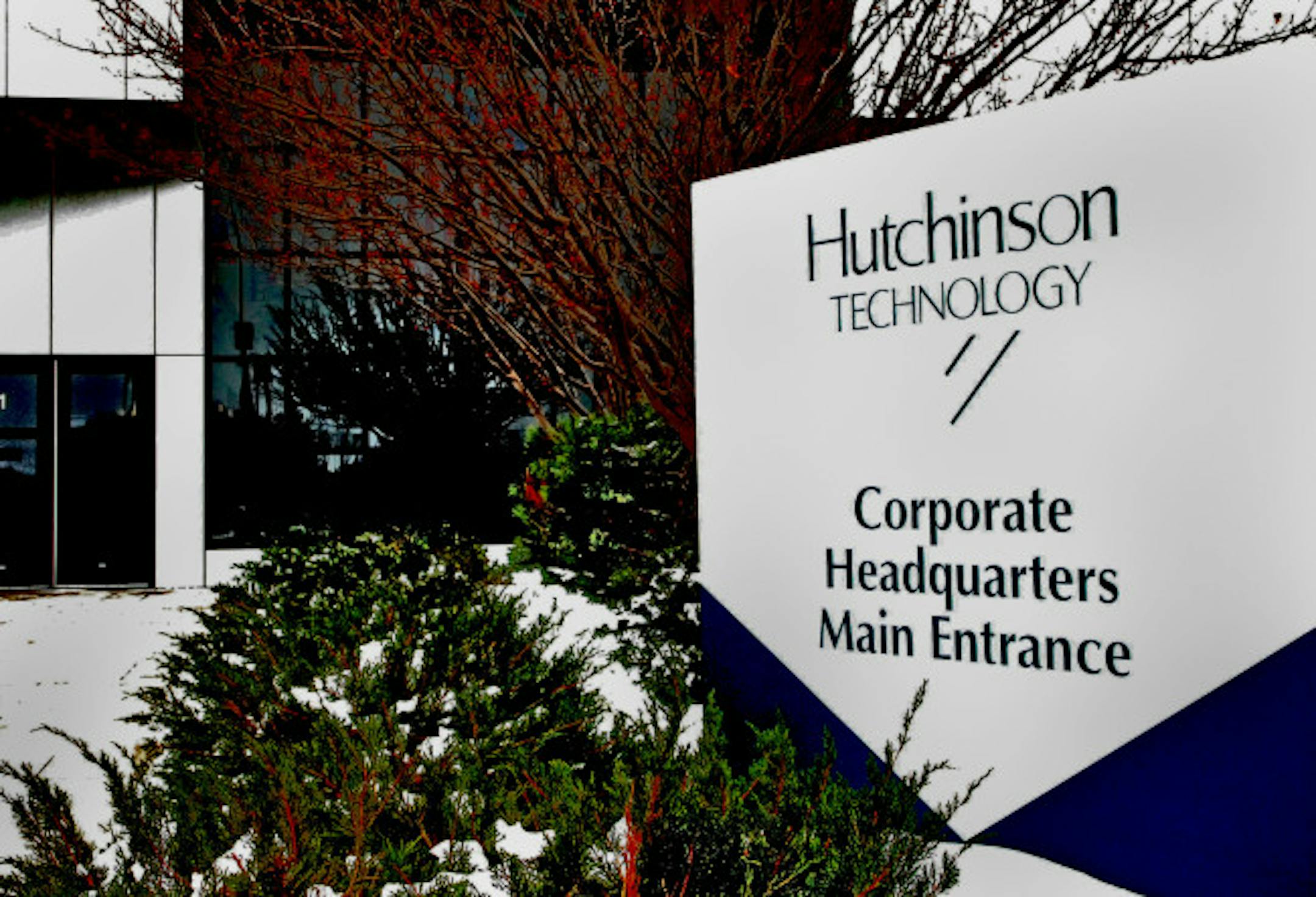
A veteran of 20 years at 3M, Hine was relatively lucky. He could tap an unused trove of vacation time to get paid for the time off. But for those who already have used their vacation allotments for 2008, the mandatory vacation amounts to a temporary pay cut at 3M, Hutchinson Technology or any other Minnesota company that has announced temporary shutdowns.
The "forced furlough" -- temporary layoffs ranging from one to five weeks or so -- has become a widespread tactic among businesses, governments and school districts across the nation as they cope with a dramatic slowdown in the economy and a limited ability to borrow money that might carry them through tough times.
More than 1.2 million Americans were hit by temporary layoffs in November, according to the Bureau of Labor Statistics. Not since February 1991, another recession year, have so many been sent home for unpaid time off. That month, 1.4 million U.S. workers stayed home without pay.
In a related indicator of a soft labor market, the number of people working part time involuntarily, because their hours were cut or they could not find full-time work, has almost doubled nationally, to 7.3 million in November from 3.9 million in April 2006.
Mandatory time off or reduced hours are better for the individual and the economy than the next option, the loss of a job, noted University of Minnesota labor economist John Budd.
"If people only have to eat two weeks of pay cuts, they still may make their mortgage payments and buy a car," he said.


