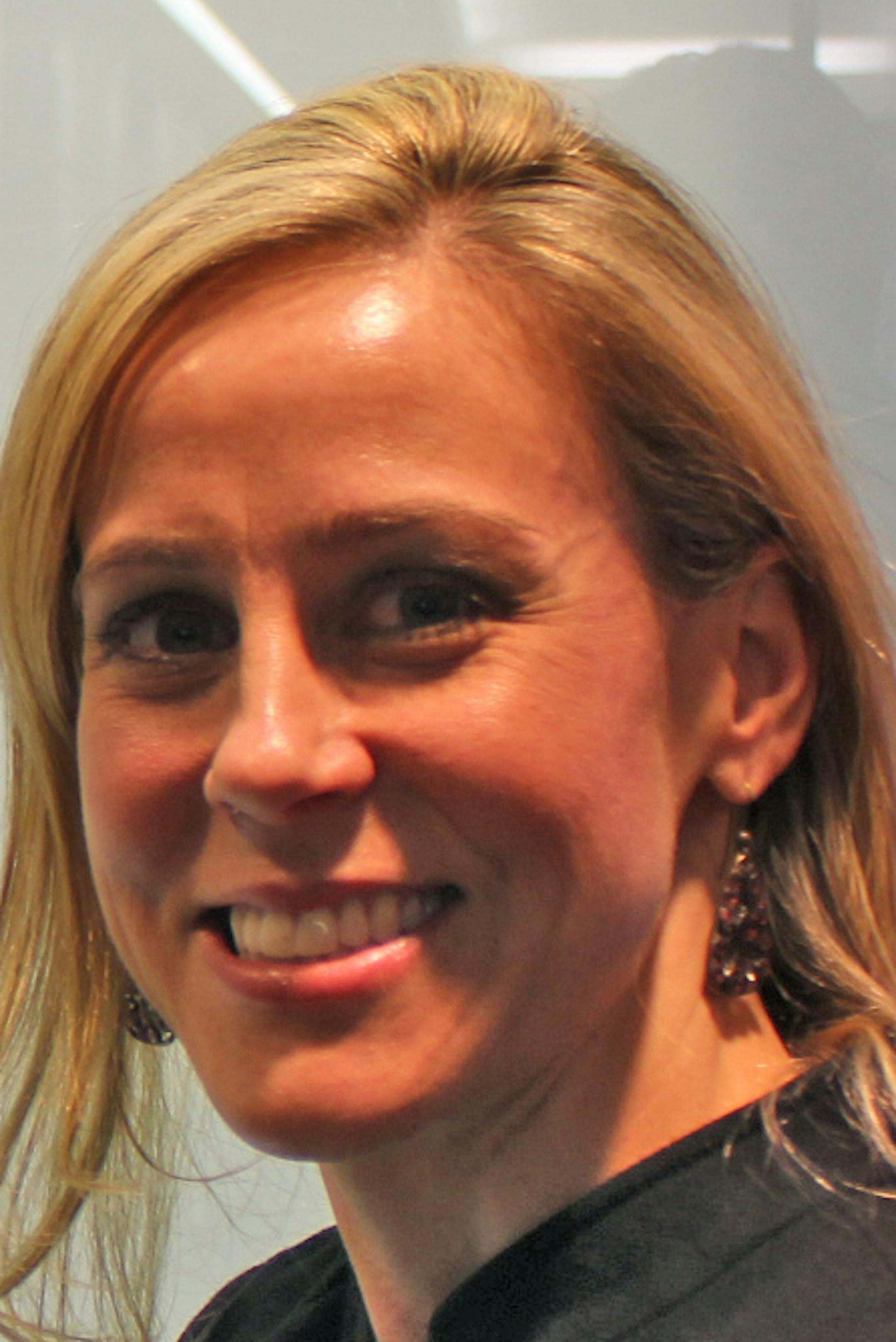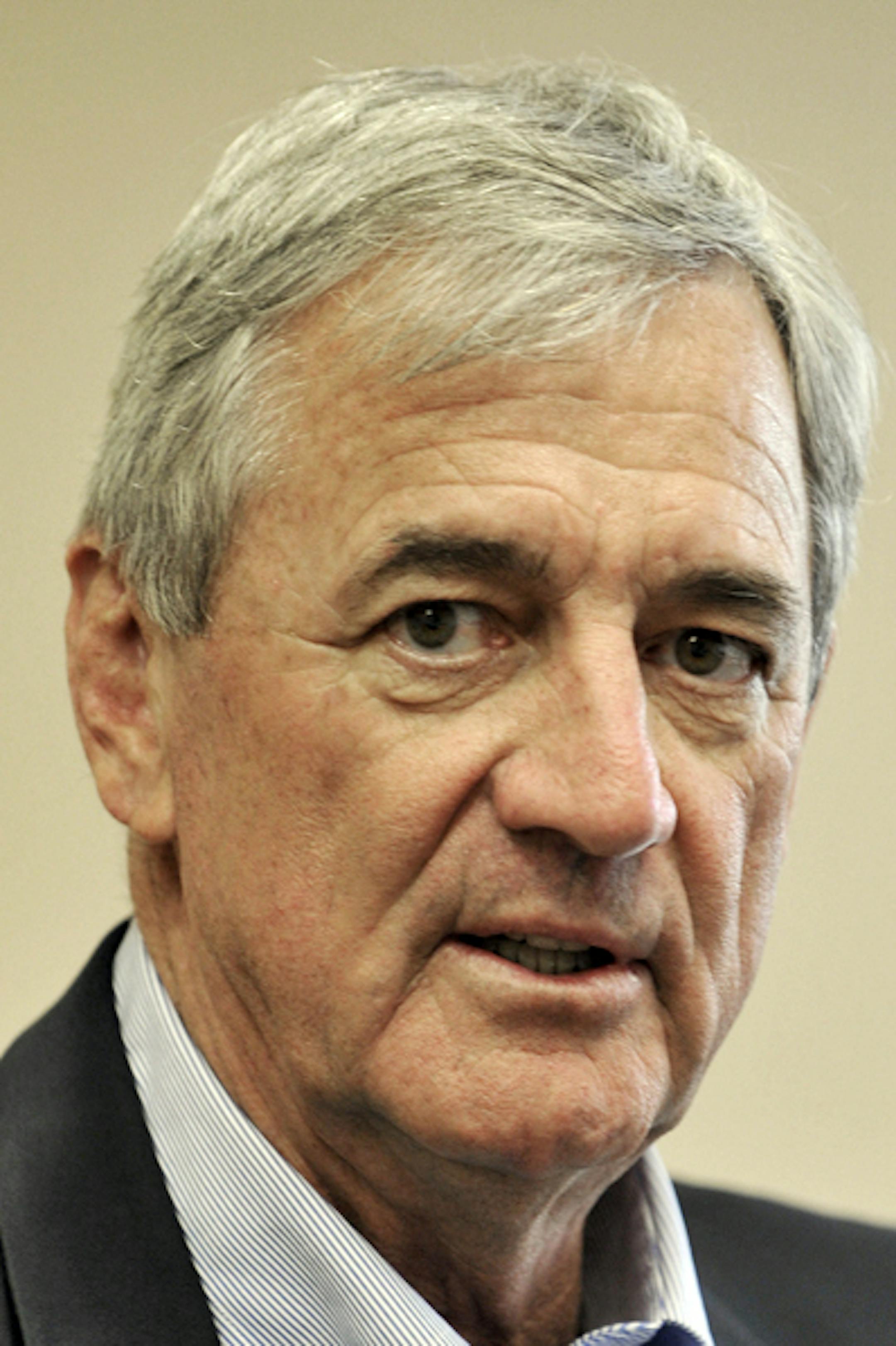
WASHINGTON – Very few issues push conservative Republican Rep. Michele Bachmann into the same ideological camp as liberal Democratic Rep. Keith Ellison.
Likewise, Republican Reps. Erik Paulsen and John Kline rarely back a Barack Obama initiative while Democratic Reps. Rick Nolan and Collin Peterson blast the president.
Turns out that free trade may make stranger bedfellows than politics.
The current split in Minnesota's congressional delegation reflects the country's deep, complicated divide over opening international markets. With negotiations ongoing for trade deals in Europe and Asia that will affect 60 percent of the global economy and more than half of U.S. trade, everyone agrees that what happens is very important. But that often seems to be the only thing they agree on.
"We've been through this so many times over the past 25 years," said University of Minnesota economist Tim Kehoe. "The same issues get brought up time after time."
Raised, he added, but never resolved.
At issue is whether free trade helps or hurts American workers. Both sides insist they have the numbers to make their case.
With America home to only 5 percent of the world's consumers, American manufacturers "can't sustain, much less grow, jobs without access to markets outside the U.S.," said Linda Dempsey, vice president of international economic affairs for the National Association of Manufacturers. The association's board includes officers of three of Minnesota's biggest companies — Cargill, 3M Co. and UnitedHealth Group Inc. Other groups pushing free trade list among their members three other major Minnesota-based businesses: Medtronic Inc., Target Corp. and General Mills Inc.