

An NFL stadium in which a franchise can thrive and a region can take pride comes close to being a basic public amenity in a modern American metropolis. We'd rate it important enough to justify financing with public-purpose state general obligation bonds, serviced by general sales or income taxes.
That funding approach would widely spread the cost of a widely shared resource, minimizing the burden any subset of the population would bear. It would also minimize borrowing costs, since general obligation bonds carry a lower interest rate than the appropriation bonds that are contemplated in the stadium financing plan that Gov. Mark Dayton unveiled on March 1.
A good case can also be made for taxing Vikings fans' purchases of tickets and fan memorabilia. Those purchases wouldn't be made if the Twin Cities cease to be home to an NFL team.
Those tax-based mechanisms are easy for journalists to embrace. We don't stand for election. A majority of state politicians do fear the political consequences of paying for a stadium in any way that can be portrayed as using funds that might have gone to schools, colleges, public safety and social services.
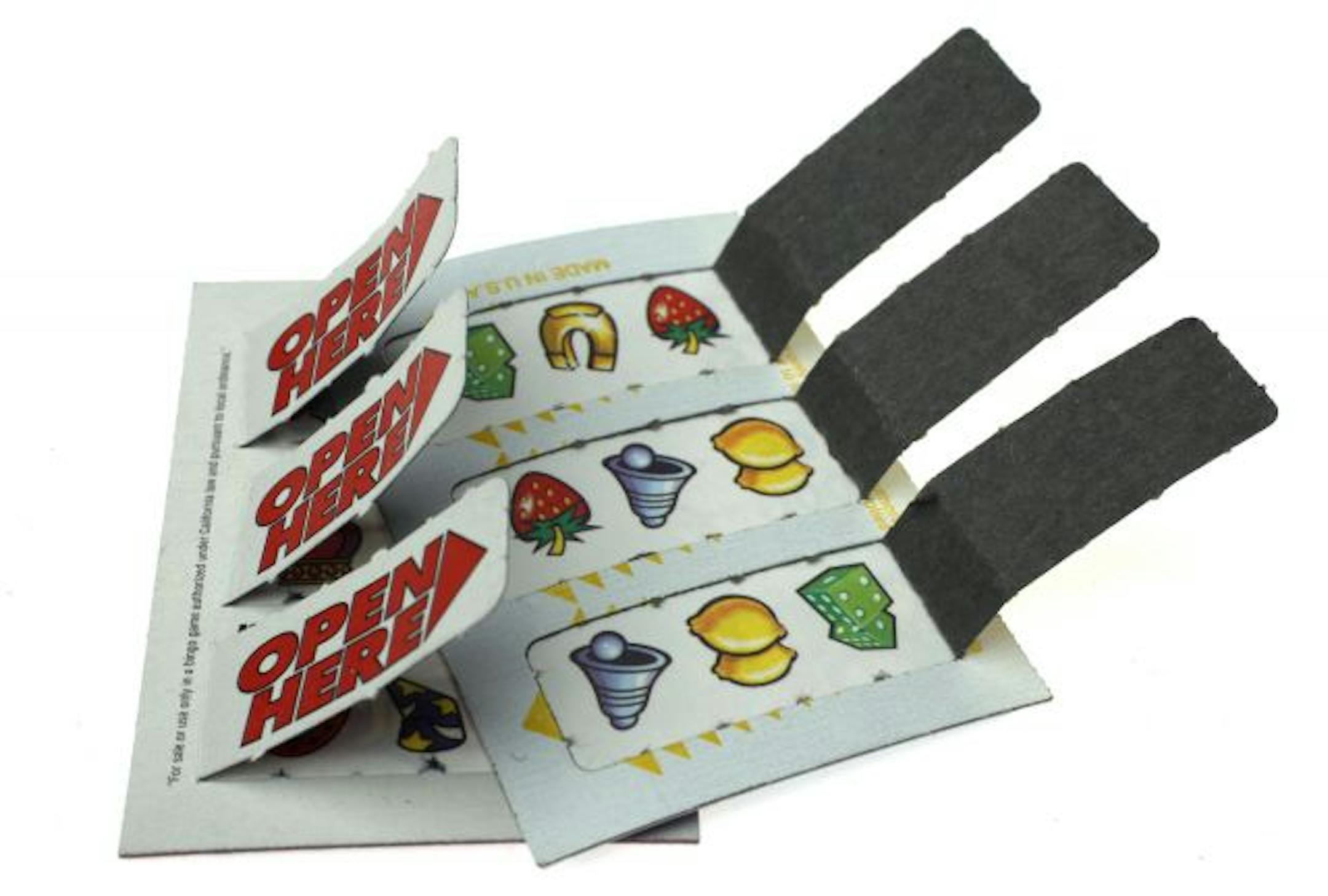
That political reality has led lawmakers to a less-than-ideal funding source for a new stadium -- gambling. The March 1 proposal calls for the addition of electronic games -- pulltabs and bingo -- to the paper-based games that Minnesota charities have been allowed to offer bar and restaurant patrons since 1985.
We wish tax-based funding options had been chosen. Taxes may distort economic activity, but gambling distorts people's lives. It preys on people prone to compulsive behavior, and has disproportionate appeal to those who can least afford it. It conveys the undemocratic message that only losers pay for government. Because it's a voluntary activity, it's also a volatile source of revenue, one that can fall off precipitously when fads change or the economy falters.
That said, electronic charitable games seem the most plausible of the various gambling options that have been suggested in recent months to pay the state's share of stadium costs -- now put at about $60 million a year for 30 years.
Electronic charitable games don't bring gambling to additional venues. They are respectful of the state's relationship with the Indian tribes that have operated casinos under the terms of compacts that have been in place for 20 years.


