

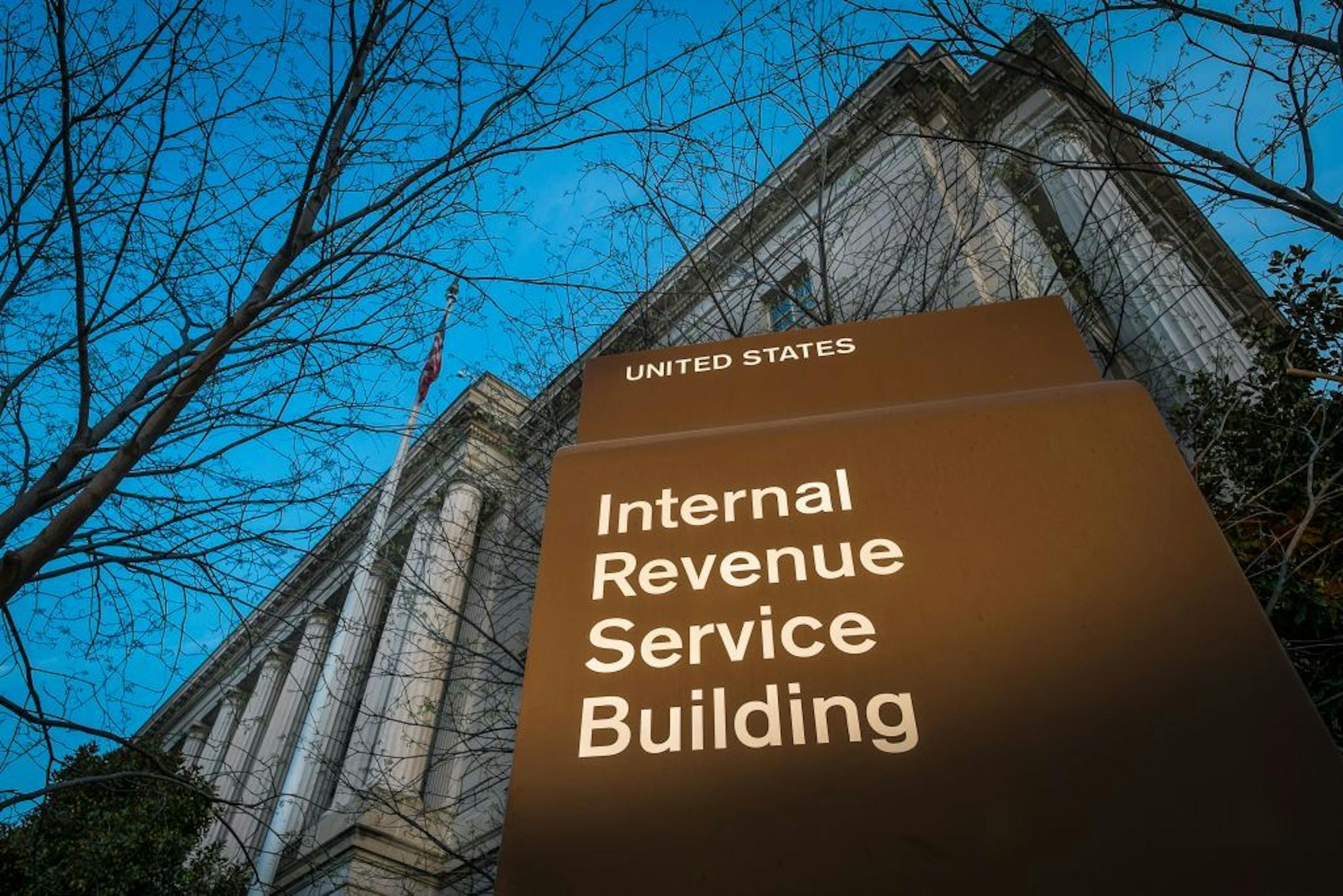
WASHINGTON – The Internal Revenue Service expected medical device companies to file 9,000 to 15,000 tax returns when it set out to collect a controversial tax on the industry in the first half of 2013.
Only 5,107 returns were filed.
The apparent shortfall in participation could become a problem for the government, which is counting on revenue from the tax to help pay for the Affordable Care Act. The tax brought in $913 million instead of the projected $1.2 billion during the first six months of last year, according to the Treasury Department's inspector general.
Now the government is searching for ways to find devicemakers who should have paid but did not.
The IRS, which declined a Star Tribune request for an interview, has said it "may issue notices to potential nonfilers if there appears to be a benefit to future tax administration."
The tax on sales of certain medical devices is projected to supply $20 billion to $30 billion in funding for the new law over the next decade. It was created with the idea that devicemakers will benefit from the law, because millions of newly insured Americans will seek health care.
There is no clear explanation why receipts are running below projections. One health business website suggested that a tax revolt might be underway in an industry that remains bent on killing the tax.
Critics, including members of Minnesota's huge medical device industry and most of the state's congressional delegation, say there is no revolt. But they hope to use the apparent shortfall in participation and payments as leverage to end the levy.


