Editor's Pick

Editor's Pick

Northern Lights: 11 memorable Minnesotans we lost this year

December 31, 2025

Legislator Melissa Hortman, baker Marjorie Johnson and Viking Jim Marshall are among those who made lasting change.

The Minnesota Star Tribune

One was a centenarian baker who was still earning ribbons at last summer’s Minnesota State Fair. Another was a state legislator whose esteemed political career was cut short by an assassin’s bullet.

Whether they sacked quarterbacks or fought for disability rights or whether they wrote music or a bestseller, these 11 Minnesotans made an outsize impact across the country and the world. And they made our state an indelibly better place.

Marjorie Johnson checks out her winning bakes at the 2007 Minnesota State Fair. (Tom Wallace/The Minnesota Star Tribune)

Marjorie Johnson, b. 1919

Though she always wore red, famed home baker Marjorie Johnson was known for the thousand blue ribbons she racked up in her 106 years.

The winningest baker in Minnesota State Fair history didn’t enter her first competition there until age 55. Though local fairs were Johnson’s bread and butter, she was a three-time Pillsbury Bake-Off finalist who would bake each recipe over and over until it met her meringue-high standards.

The 4-foot-8 spitfire also became a late-in-life television star, appearing on-air with Rosie O’Donnell, Jay Leno, and Martha Stewart, whom she charmed with her chatter and homemade gingersnaps.

Into her 100s, Johnson continued to win ribbons, including two at this year’s State Fair, bringing her total to more than 3,000. She published 100 of those prizewinning recipes in “The Road to Blue Ribbon Baking With Marjorie.”

“What I do, is I wake up in the morning and say to myself, ‘Today is going to be a wonderful day.’ ” Johnson told the Minnesota Star Tribune. “And at the end of the day, it will be a wonderful day.”
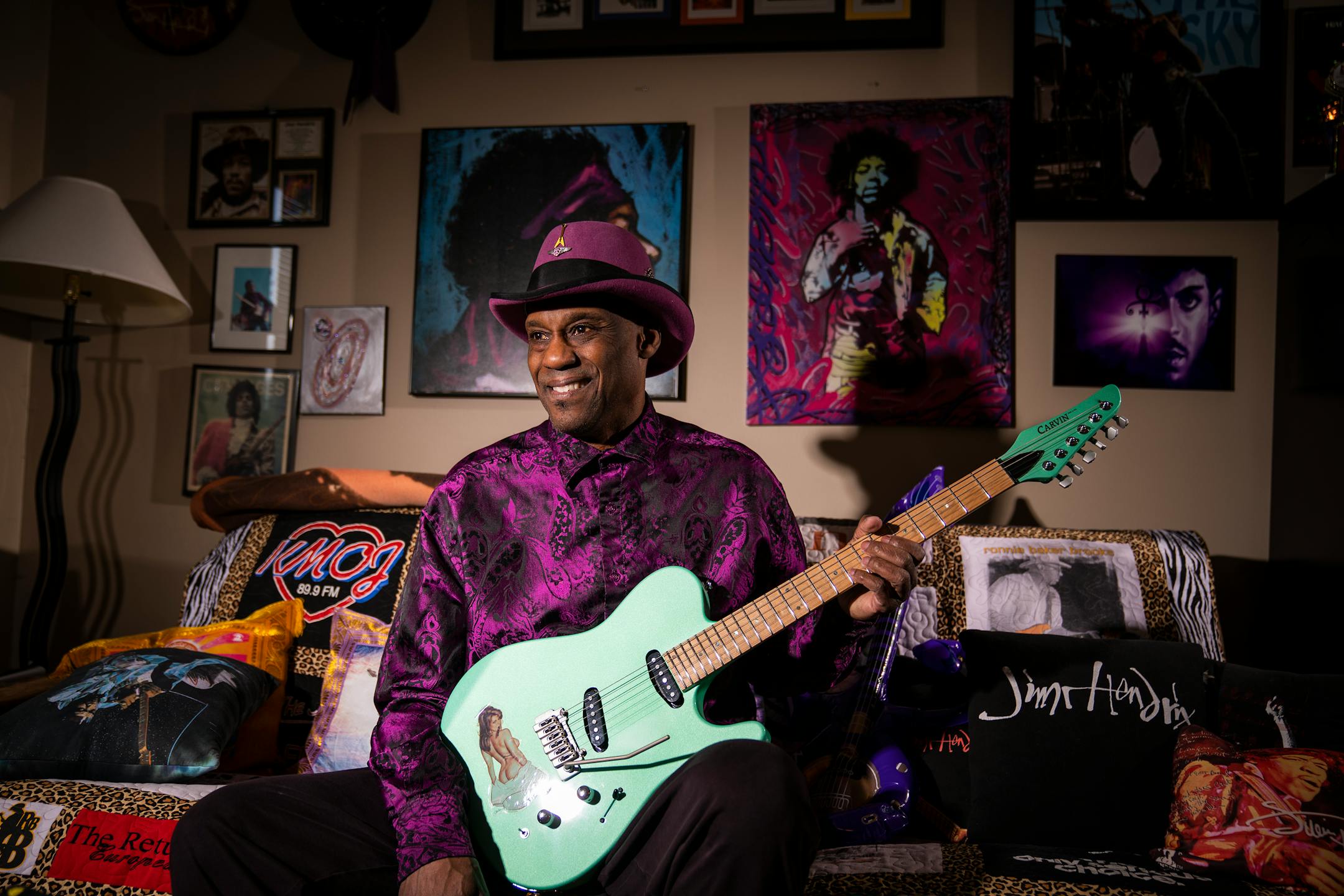
Gary "Jellybean" Johnson posed for a portrait in his Brooklyn Park home in 2021. (Leila Navidi/The Minnesota Star Tribune)

Garry “Jellybean” Johnson, b. 1956

A flashy-dressing fixture of Twin Cities music clubs, Garry “Jellybean” Johnson’s most noted gig was playing drums in the hit R&B band the Time. His influence was broadly felt as an architect of the Minneapolis Sound who collaborated with Prince and Janet Jackson.

As a teenager, Johnson jammed at north Minneapolis’ legendary community center, the Way. (As an adult, he paid it forward by mentoring young musicians.) After cutting his chops playing with Flyte Tyme, alongside Jimmy Jam and Terry Lewis, Johnson went on to work for the duo’s production company and helped create hits for bands such as New Edition.

As his career evolved, Johnson emerged as an excellent guitarist, whose soloing earned praise from jazz giant Miles Davis. At age 64, Johnson put out his debut solo album “Get Experienced,” to share his personal take on the music.

“I’ve spent most of my musical life backing up my friends and other people,” he told the Star Tribune. “I just wanted to leave something that was me — that I was responsible for.”

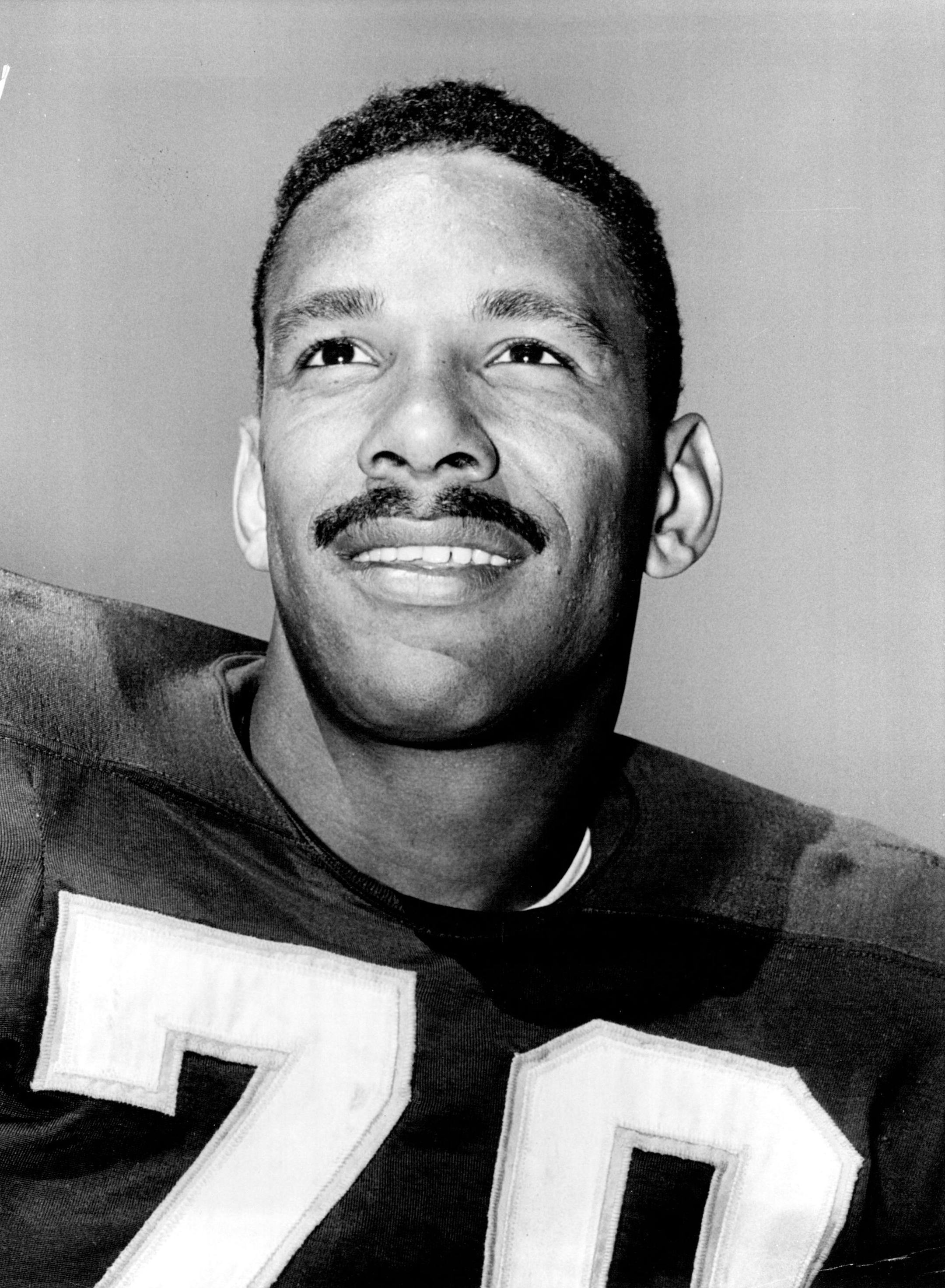
Viking Jim Marshall photographed in 1962. (John Croft/The Minnesota Star Tribune)

Jim Marshall, b. 1937

Jim Marshall spent 19 seasons as a defensive end for the Vikings, beginning with the team’s inaugural one in 1961, and captained Bud Grant’s four Super Bowl teams as one of a feared foursome known as the Purple People Eaters.

Marshall played more than 300 consecutive games in the NFL and, at the time, saw more playing time than anyone in the league’s history.

Marshall was as durable on the field as he was off, with a cat-like ability to survive near-death experiences, including enduring bouts of encephalitis and choking, accidentally shooting himself, crashing his hang glider and being stranded in a blizzard during a snowmobile expedition.

He made some wrong turns in his life; the most notorious happened on the field: After recovering a San Francisco 49ers fumble, he lost his bearings and ran 66 yards to the end zone he was supposed to be defending.

But his grit, and the trust he’d earned from his teammates, allowed him to recover from mistakes — and endure his fellow Vikings’ razzing on their flight from California back to Minnesota when they told him to go to the cockpit and fly the plane, so they’d end up in Hawaii.

“I didn’t quite accomplish all the things I wanted to, but I sure tried,” Marshall told the Star Tribune. “I sacrificed. I gave it my best shot.”

Artistic director and co-owner of Chanhassen Dinner Theatres Michael Brindisi watches a performance from the back of the room at the Chanhassen Dinner Theatres in Chanhassen in 2018. (Renée Jones Schneider/The Minnesota Star Tribune)

Michael Brindisi, b. 1948

Michael Brindisi, a Broadway actor-turned-artistic director and theater owner, spent decades leading Chanhassen Dinner Theatres, the largest theater of its kind in the country.

The week he died, Brindisi was finishing rehearsals at “the Chan” for a revival of “Grease,” a musical that launched his career in the 1970s when he went on nationwide tour as an understudy.

In 1988, Brindisi became Chanhassen’s resident artistic director. (And stepped up his casual uniform of ball caps and sweatshirts by ironing his tees.) In 2010, he added president and co-owner to his titles.

At the time, the organization was struggling. But changes Brindisi helped enact — converting side theaters to host a comedy club and a concert series, adding a pub, becoming a wedding and event venue — diversified audiences. With only a handful of dinner theaters remaining nationally, Brindisi’s creative and business-minded vision positioned Chanhassen to remain the standard-bearer.

“My doctor asked me what I do for a living,” he once said, “and I said I sit on a stool and say, ‘It’s not funny yet!’”

Photographer Jim Brandenburg in his hometown prairie exhibit. (Steve Rice/The Minnesota Star Tribune)

Jim Brandenburg, b. 1945

Nature photographer Jim Brandenburg’s decades of assignments for National Geographic took him all over the world — from African deserts to Canadian ice floes — and earned him the magazine’s Lifetime Achievement Award.

But the Luverne, Minn., native also showed the world his home state’s beauty — from snow-dusted bison roaming Blue Mounds State Park to the aurora borealis hovering above the Boundary Waters Canoe Area Wilderness.

Whether capturing close-ups of wolves or expansive prairie vistas, Brandenburg’s images were always quietly dramatic, with rich textures and impeccable lighting.

Four of his works were among the 40 selected by the International League of Conservation Photographers as the most important nature photographs of all time. He also helped preserve one of the largest segments of remnant tallgrass prairie in his home county, ensuring the habitat will continue to be enjoyed — and documented by photographers.

“I’m good at paying attention,” Brandenburg told the Star Tribune. “I think I’m very intuitive, which is really based on paying attention.”

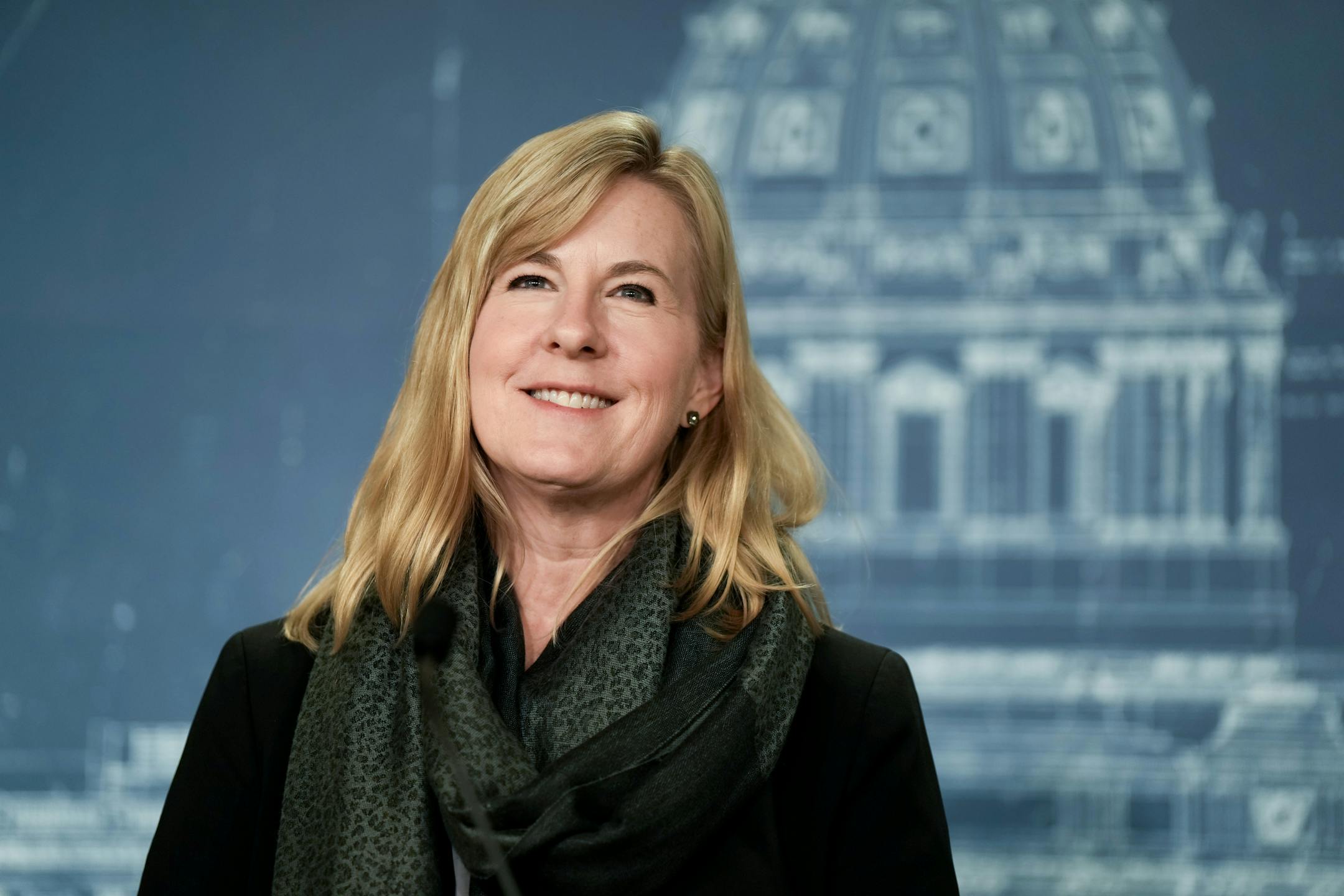
House Speaker Melissa Hortman speaks in 2024 at the Minnesota State Capitol in St. Paul. (Glen Stubbe/The Minnesota Star Tribune)

Melissa Hortman, b. 1970

Even Republicans considered Melissa Hortman, the longtime leader of the Minnesota House DFL Caucus, the most consequential speaker of the House in the state’s history.

Hortman won a seat in the House and became a trailblazer in transportation and energy policy. She developed a reputation as a caretaker of her colleagues, a bipartisan collaborator and an inclusive truth-teller.

During her tenure as speaker, the most productive session in recent memory, the Legislature boosted education spending and enacted paid family and medical leave, gun regulations and free school lunches.

And then, in an act that reflected her pragmatism and humility, to resolve a standoff in the equally divided House, she handed the speakership to the Republicans in order to share power.

“I’m really tired of watching women of color, in particular, being ignored,” Hortman told the House after she was asked to apologize for criticizing a group of legislators who left the chambers while several female legislators of color were speaking. “So, I’m not sorry.”

"Codependent No More" and "Stop Being Mean to Yourself," author Melody Beattie.

Melody Beattie, b. 1948

Melody Beattie’s guide to ending toxic relationships, “Codependent No More: How to Stop Controlling Others and Start Caring for Yourself,” sold more than 7 million copies as one of the bestselling self-help books of all time. Written in a direct, empathetic voice, it drew on Beattie’s personal experiences with drug addiction, her marriage to an alcoholic and her work as a chemical dependency counselor.

Beattie’s early years were turbulent. She endured a dysfunctional household, molestation by a stranger, underage drinking, and a drug habit that led her to rob pharmacies until she was court-ordered to treatment.

After getting clean, Beattie got a job counseling the wives of men who were in treatment. The wives’ all-consuming anger and frustration toward their partners spurred her to research the subject.

When Beattie’s bestseller was published in 1986, her computer’s spellcheck didn’t recognize the word “codependency.” But through that book and several others, she raised awareness of the harm that comes from ceding control of one’s life to someone else’s behavior, and offered a framework for how to lovingly detach from damaging relationships.

“We don’t have to take things so personally,” Beattie wrote in “Codependent No More.” “When people with a compulsive disorder do whatever it is they are compelled to do, they are not saying they don’t love you — they are saying they don’t love themselves.”

Ski instructor Erich Sailer laughs during a practice with his Buck Hill team in 2006. (Jeff Wheeler/The Minnesota Star Tribune)

Erich Sailer, b. 1925

Coaching Lindsey Vonn and other Olympians, Erich Sailer turned the fifth-flattest state in the country into a “slalom factory.” The so-called Yoda of downhill ski racing ran Buck Hill’s program for more than four decades and trained some 25,000 skiers.

Sailer grew up in Austria, where he walked up the mountain behind his home to ski it, and raced with the national team. He came to America, started coaching and spent nearly half his life at a hill that rose just 310 vertical feet.

But Buck’s short runs became a key component of Sailer’s coaching success: His protégés skied hundreds of gates a day, building discipline and muscle memory. When the 2002 Olympics came around, he’d worked with every member of the U.S. women’s slalom team, which included Vonn, who went on to become among the world’s most medaled alpine ski racers.

In 2005, Sailer was was inducted into the U.S. Ski and Snowboard Hall of Fame, but he didn’t retire from teaching until he was 96 years old.

“He single-handedly did more for skiing than any other coach in America and perhaps the world,” Vonn wrote of Sailer on social media after his death.

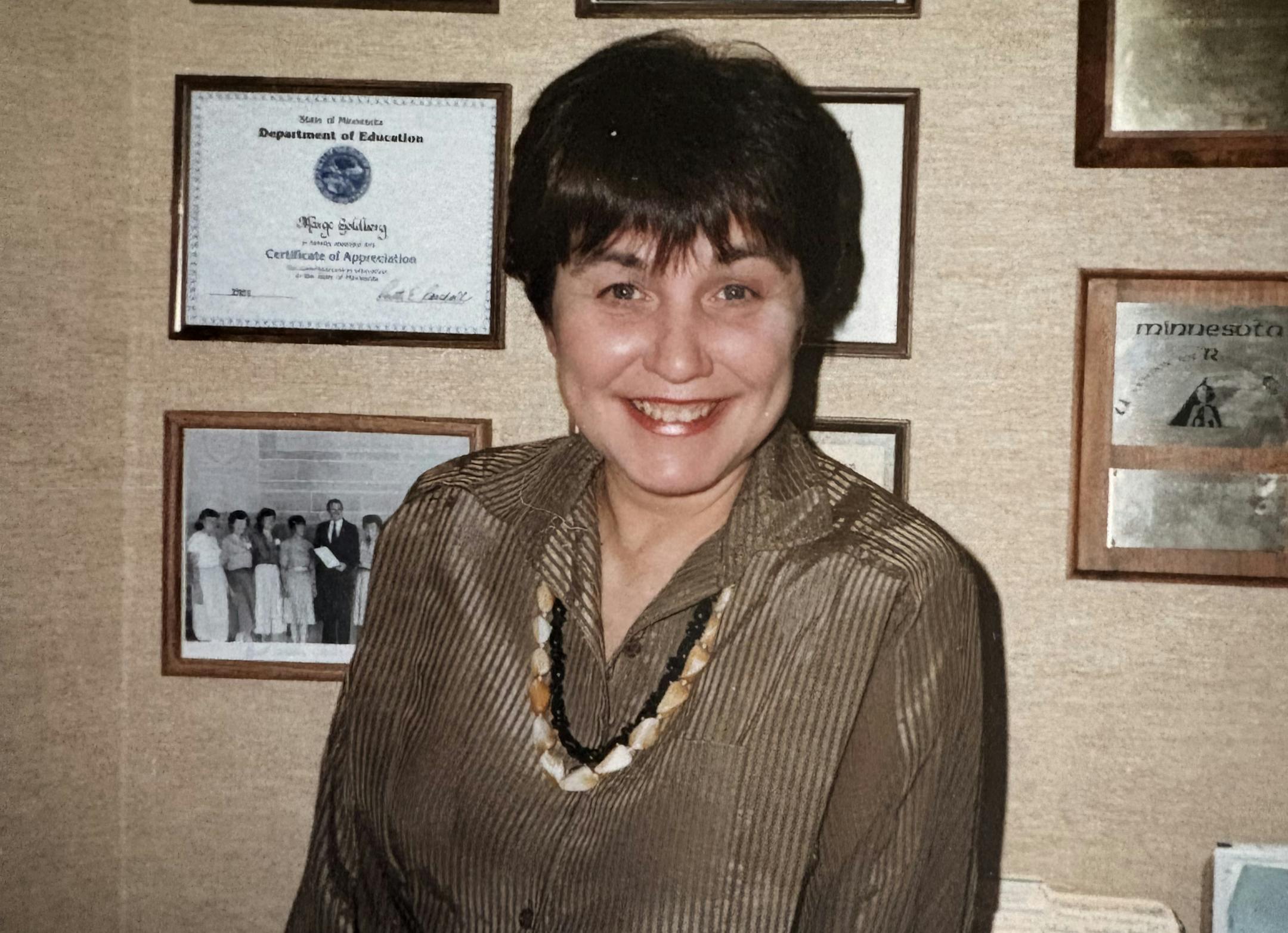
Marge Goldberg, the co-founding executive director of the PACER Center in Bloomington. (Provided)

Marge Goldberg, b. 1934

Marjorie “Marge” Goldberg fought for her son born with epilepsy and learning disabilities and turned her advocacy into a career. A year after a 1975 federal law guaranteed equal educational opportunities for kids with special needs, Goldberg cofounded Parent Advocacy Coalition for Educational Rights to train parents of children with physical, mental or emotional disabilities to be their best champions.

The organization evolved into the Bloomington-based nonprofit PACER Center, which responds to tens of thousands of requests for assistance each year. PACER also helped develop legislation that recognized special education services should begin at birth and that students would need additional support after graduation to transition to independent living.

Due to PACER’s nationally recognized programs and the group’s influence at the Legislature, Goldberg was considered a pioneer of national disability rights.

“She was someone who had a vision for something she wanted to do,” U.S. Sen. Amy Klobuchar said of Goldberg in a Star Tribune obituary.

Midwest Mountaineering owner Rod Johnson poses inside his store in on Cedar Avenue in Minneapolis in 2016. (Leila Navidi/The Minnesota Star Tribune)

Rod Johnson, b. 1949

The name Midwest Mountaineering might seem like an oxymoron, as Minnesota’s highest point is a mere 2,000 feet above sea level. But Rod Johnson’s storied Minneapolis gear shop was less about altitude than its founders’ attitude. His adventurous, inclusive approach helped cultivate a community of outdoors enthusiasts to explore the craigs, woods and water of Minnesota and beyond.

Johnson climbed and trekked all over the globe — from Patagonia to Kilimanjaro. He encouraged employees to do the same and share their learnings with customers, per the store’s tagline, “Ask us, we’ve been there.”

Johnson made outdoor adventures more accessible by carrying discounted gear, offering repair services and a free climbing cave. He also created camaraderie through hosting pint nights, a film festival and a biannual Outdoor Adventure Expo. That enthusiasm extended to the tight-knight employees, who were a brain-trust of expertise in backpacking, paddling, ice climbing and more.

“I believe that we’re all better people when we spend time outdoors,” Johnson told the Star Tribune.

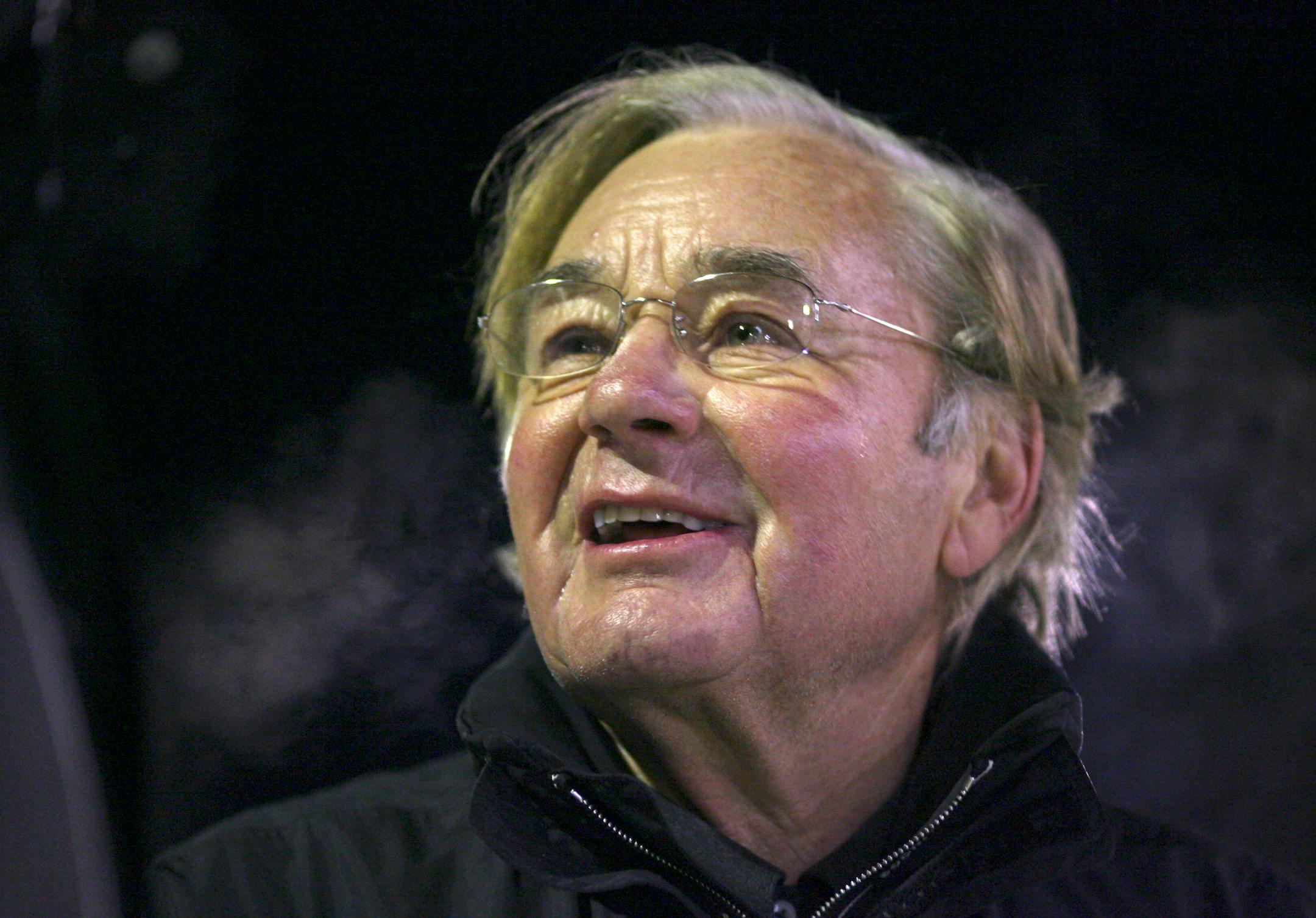
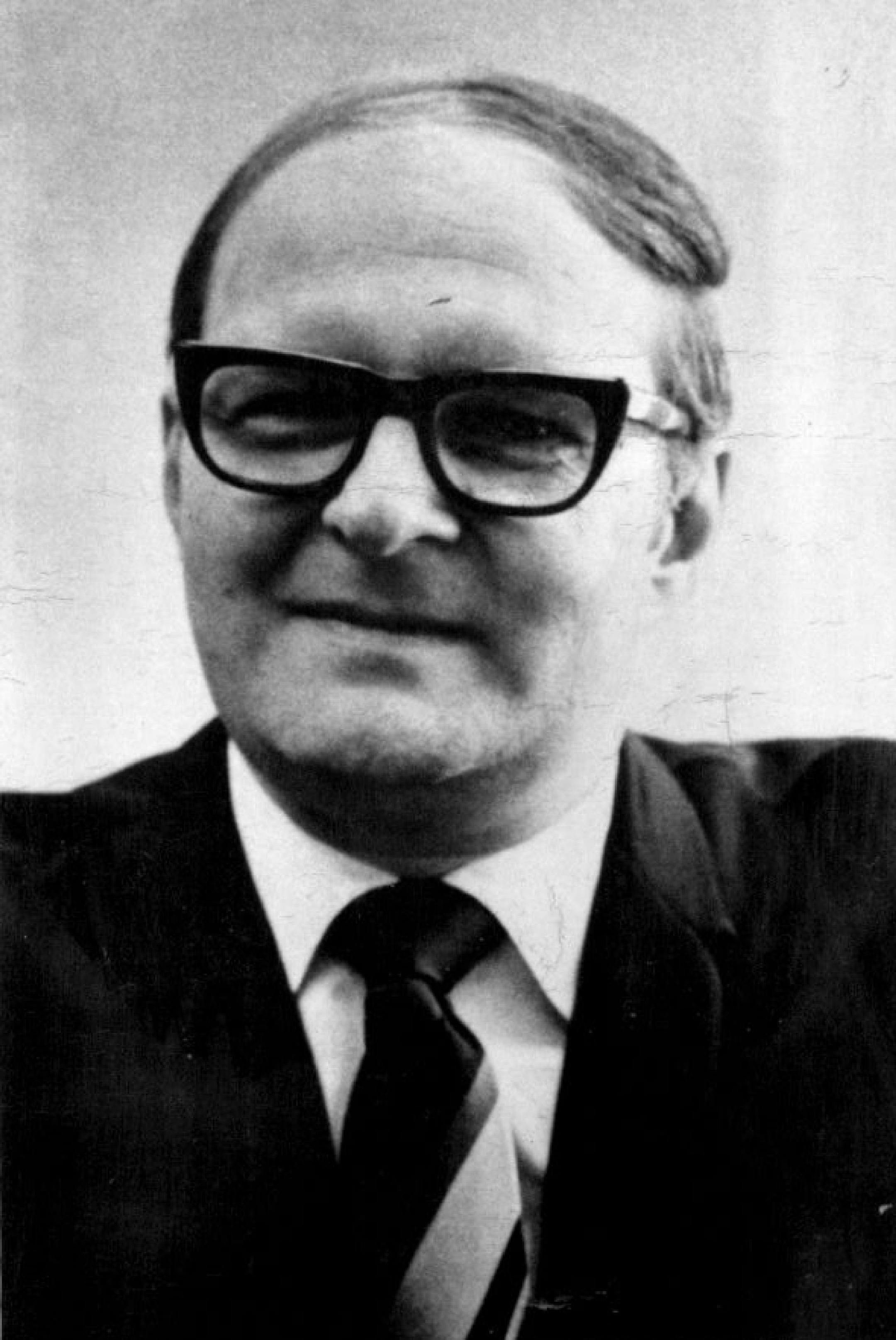
Paul Christen photographed in 1978. (The Minnesota Star Tribune)

Paul Christen, b. 1929

Paul Christen was a longtime business partner of Carl Pohlad’s who ran the Minnesota billionaire’s first bottling business and became a minority owner of the Twins.

Christen, who was born in Minneapolis but spent much of his life in South Dakota, met Pohlad when he asked him for a loan. Instead, Pohlad ended up installing Christen as president of his MEI Corp., one of the country’s largest Pepsi bottling operations.

The two became more intwined when Christen helped Pohlad develop other ventures in a variety of industries, including banking, hotels, insurance and airlines. Not to mention when Christen’s daughter Becky married Pohlad’s son Bob.

After selling his 10% stake in the Twins in 2003, Christen focused on banking and philanthropy.

“He would always say, ‘I want to do something for people I will never know or never see,’” Becky Pohlad said of her father to the Star Tribune.

about the writer

about the writer

Rachel Hutton

Reporter

Rachel Hutton writes lifestyle and human-interest stories for the Minnesota Star Tribune.

See Moreicon

More from Culture

See More
card image

Legislator Melissa Hortman, baker Marjorie Johnson and Viking Jim Marshall are among those who made lasting change.

card image