Yuen: Even if ICE left tomorrow, the damage to kids is already done

“They’re all suffering,” says one Minnesota immigrant dad who has been sheltering in place with his children.

Columnist Icon
The Minnesota Star Tribune
February 11, 2026 at 12:00PM
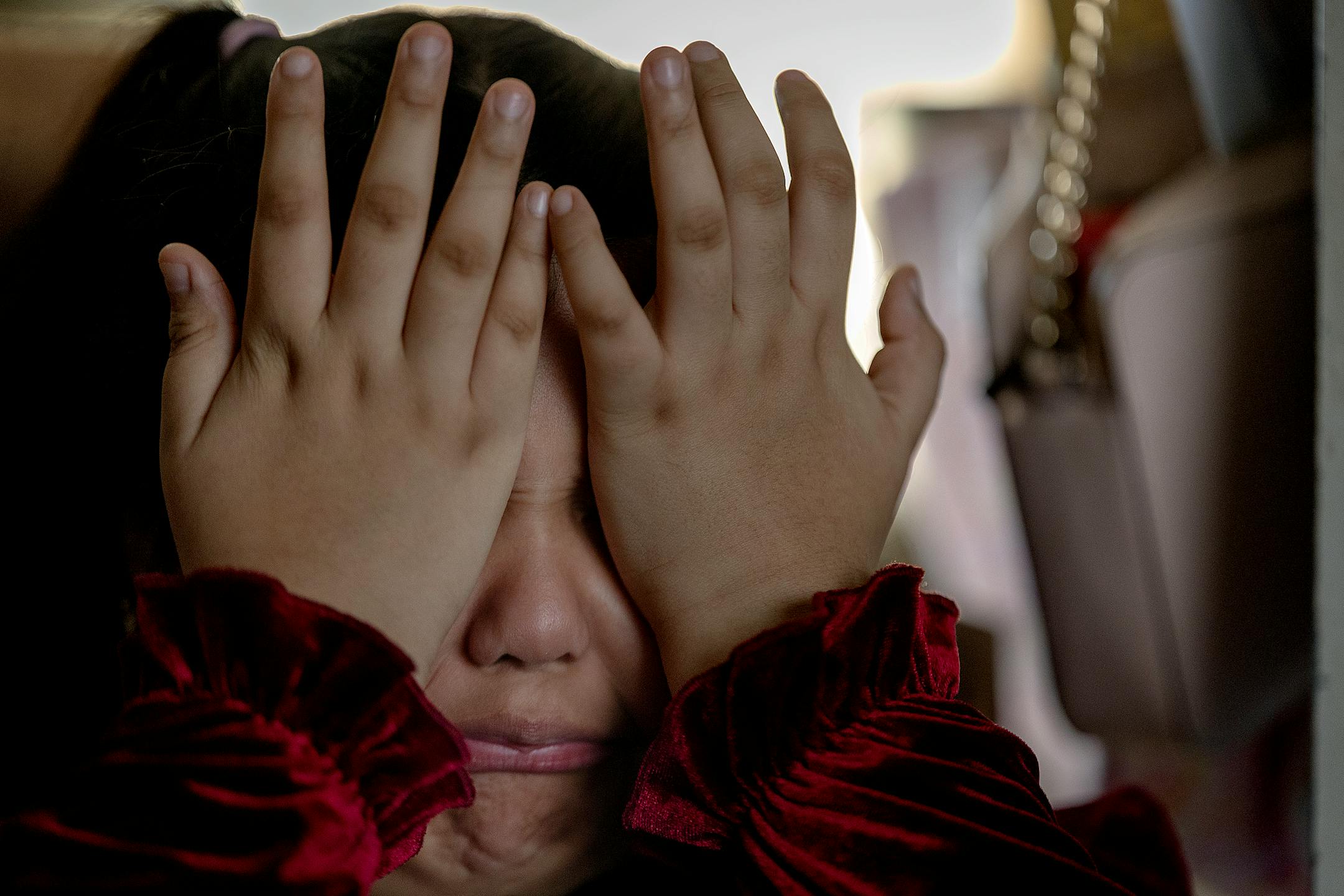
Genesis, 8, cries as she listens to her mother weep. The recent shootings of Renee Good and Alex Pretti have brought back traumatic memories that have increased anxiety and have led to the family further sheltering at home. (Elizabeth Flores/The Minnesota Star Tribune)

The hardest part about being locked up in his own home, says Fermin, is seeing his young daughters cry.

Ever since federal agents swarmed Minnesota two months ago, Fermin and his wife and their two girls have hardly left their tiny Shakopee house. The family’s fear of being deported has cramped their ability to work and live, and their psychological well-being.

A simple act of normalcy, such as going out for ice cream or swimming at the Y, is now off-limits for Fermin’s daughters.

Through no fault of their own, Minnesota kids from immigrant families are bearing an extra brunt of the federal crackdown. Thousands of children are staying home from school. They’re not socializing with friends, a developmental must. They’re skipping sports and other activities. In essence, they’re losing pieces of their childhood.

“Not just my kids — all the kids, they’re all suffering," said Fermin, who asked to withhold his last name out of fear of being detained by ICE.

Last week, border czar Tom Homan began removing 700 federal immigration agents from Minnesota. And yet even if the remaining 2,000-plus agents were to leave tomorrow, the trauma they’ve unleashed on Minnesota children could last a lifetime. The damage has already been done.

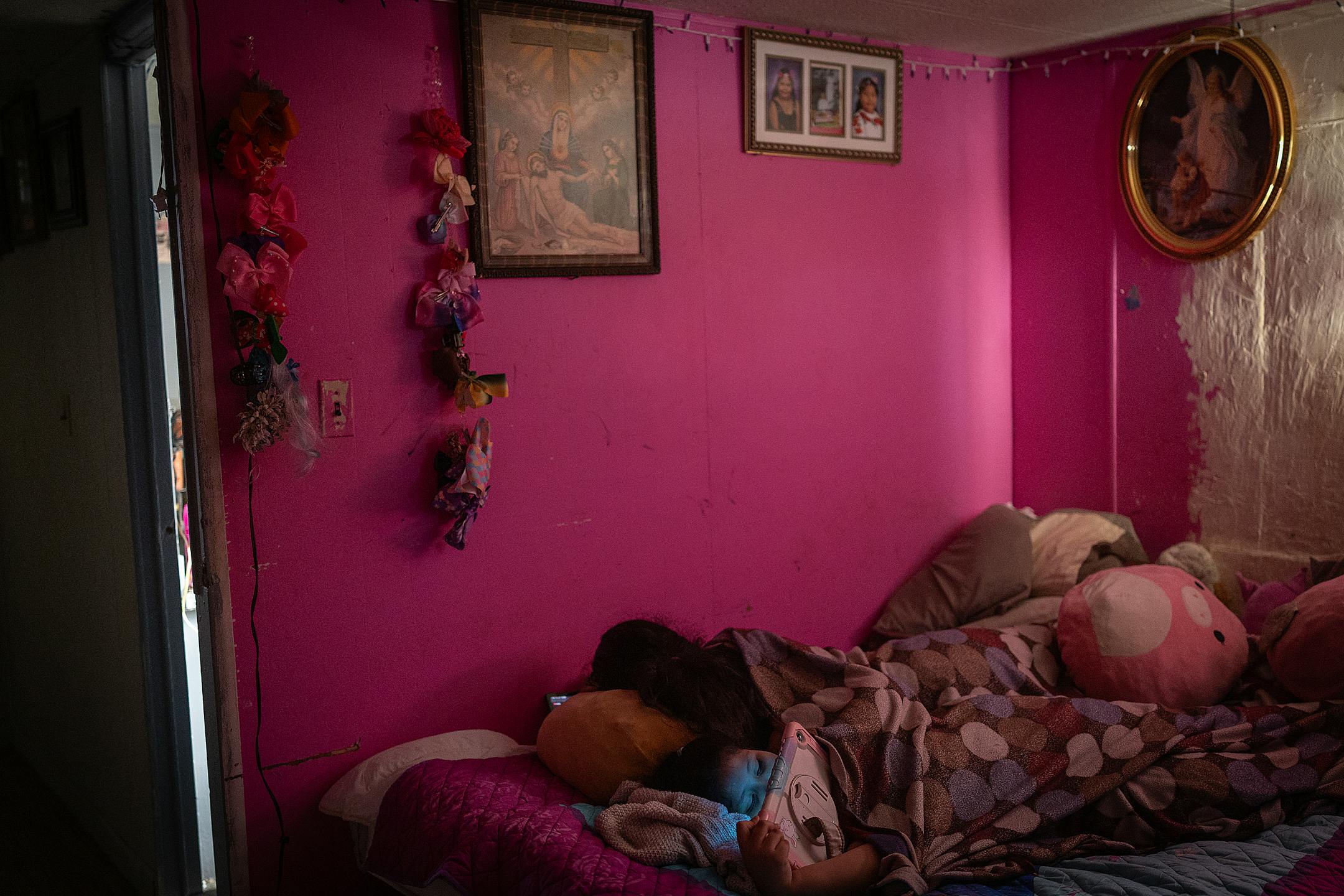
When I visited Fermin’s home last month, his daughters hadn’t been to school in nearly three weeks. Ten-year-old Natali also skipped a doctor’s appointment for her thyroid condition and was on her last daily pill. Natali said while she was on a bus, she saw federal agents shove a man and detain both him and his wife while their daughter cried.

“I saw the little girl crying so hard, and I feel bad for her,” Natali recalled.

Let there be no mistake: This is trauma.

Repeated exposure to it can change how kids’ brains develop, while also increasing risks for chronic health issues, mental illness and substance use. Known as adverse childhood experiences, that bucket of trauma typically refers to things like neglect and abuse but is rapidly expanding to include the pervasive threat of deportation. Toxic stress in childhood can lead to higher rates of physical conditions such as heart disease, cancer and obesity.

“Even if their parents are not detained, just the fear of that, or witnessing groups of masked, armed individuals patrolling your schools, neighborhoods and shops — I would classify that as an adverse childhood experience,” said Alexandra Tarabochia-Gast, a family medicine physician with an M Health Fairview clinic in St. Paul that serves a large immigrant population.

We learned during COVID-19 how disastrous social isolation could be for our kids, with rates of depression and anxiety symptoms doubling during the pandemic. Still, most kids could leave their homes to go for a walk. That isn’t the case for children in hiding.

The fear of being detained or separated from their parents compounds with every day that passes, said Adeline Taylor, a marriage and family therapist based in St. Paul.

“Being holed up in a house does something to people,” said Taylor. “Kids are not getting a break. When you don’t know if someone or some entity is going to get you or your family, that’s a lot of anxiety to be holding.”

While their peers were at school, sisters Genesis and Natali watched shows on their iPads in their bedroom. (Elizabeth Flores/The Minnesota Star Tribune)

Aside from the isolation, let’s not forget about the other purpose of school: learning. The deepening educational disparities are disproportionately hitting English-language learners and other kids who can least afford to be missing school.

Even districts that are offering the option of remote education to families sheltering in place are running into stumbling blocks.

Sadie Struss, a mom who has a child in Minneapolis Public Schools, has been trying to find a way to get hundreds of Wi-Fi hot spots into the hands of kids who need them to enroll online. She worries that such logistical challenges will widen the gap between the haves and have-nots.

“There’s so much inequity with learning to begin with in Minneapolis Public Schools,” she said. “But to add this in, where kids are unable to learn because they can’t get internet? The inequity of all of this is insane.”

Struss is a member of several “moms groups” that have been problem-solving since the start of Operation Metro Surge. Every day, calls go out asking for cash to pay for kids’ clothing and rent money. So far, those needs have been met.

“But I have no idea how we’re going to make next month work,” she said.

Meanwhile, other districts that have been targeted by immigration agents report that kids are terrified and adults are exhausted. Tracy Xiong, a social worker for Columbia Heights schools — where several detained children, including Liam Conejo Ramos, attend — told reporters last week that her job has changed drastically. Instead of asking for her help to navigate friendships, students ask how to cope with ICE breaking up families and taking away their friends.

“Every day I see the stress, tears and fear as they face the uncertainty of each school day,” Xiong said.

On the day I visited Fermin’s family, he and his wife, Maricruz, spoke about feeling re-traumatized after agents killed Renee Good and Alex Pretti. That’s because about a decade ago, their teen son was killed after his friend accidentally shot him in the chest. They know the pain that engulfs you when you lose a child.

Maricruz wept, and then so did her 8-year-old daughter Genesis, who is too young to have known her brother. The couple has been here for more than two decades and has a pending application for permanent residency; their daughters are U.S. citizens. They should not have to live in terror.

This, too, is trauma.

So where do we go from here?

Children can recover from traumatic experiences, so let that sense of hope guide us. It will require years of communities remaining all hands on deck, helping children talk and process what they’ve endured.

It remains to be seen whether immigrant and refugee kids in hiding will fully heal, or if they’ll forever be scarred because of the cruelty of this administration.

One thing is certain, though. Trauma has changed these kids. They will never forget, and neither will we.

Sign up here to follow Laura’s columns by email.

about the writer

about the writer

Laura Yuen

Columnist

Laura Yuen writes opinion and reported pieces exploring culture, communities, who we are, and how we live.

See Moreicon

More from Culture

See More
card image
Elizabeth Flores/The Minnesota Star Tribune

“They’re all suffering,” says one Minnesota immigrant dad who has been sheltering in place with his children.

card image