On a recent morning, a Fridley middle schooler stopped a school social worker at lunch to ask why he never sees her anymore. “I really miss you,” he said, his voice dipping to a whisper.
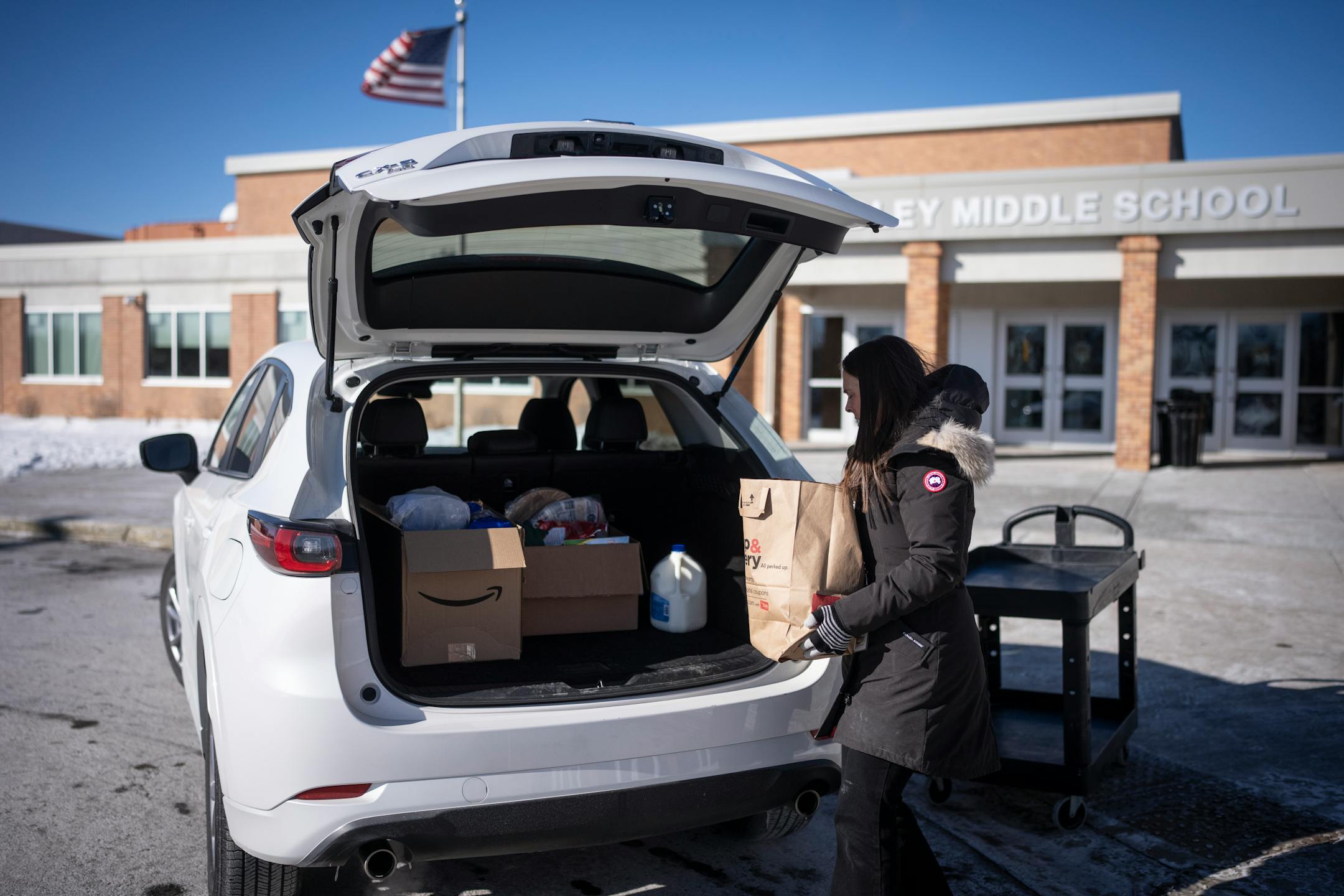
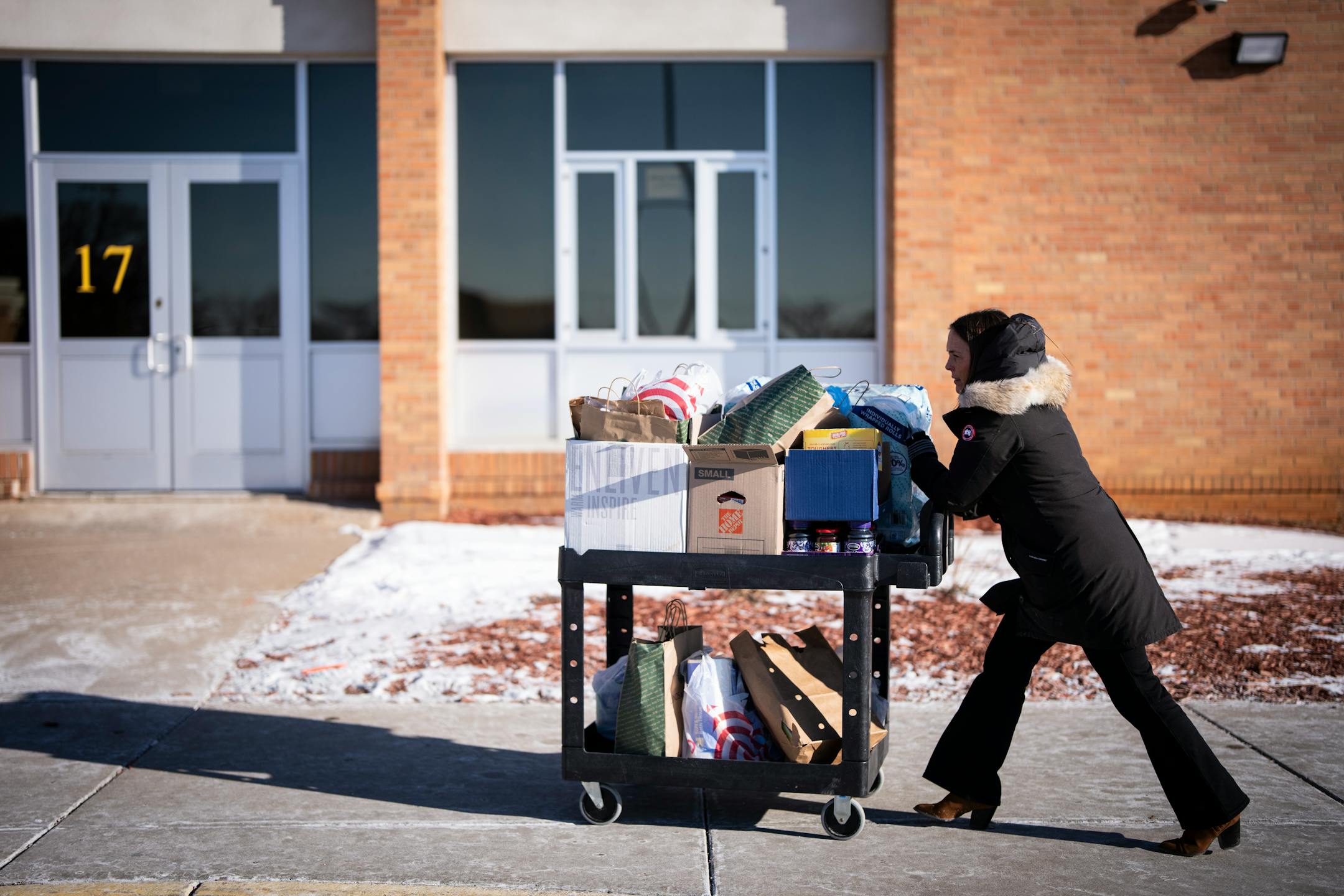
“I know. I’ve been busy,” she responded. “I’ve been helping out the families who can’t leave their homes right now.”
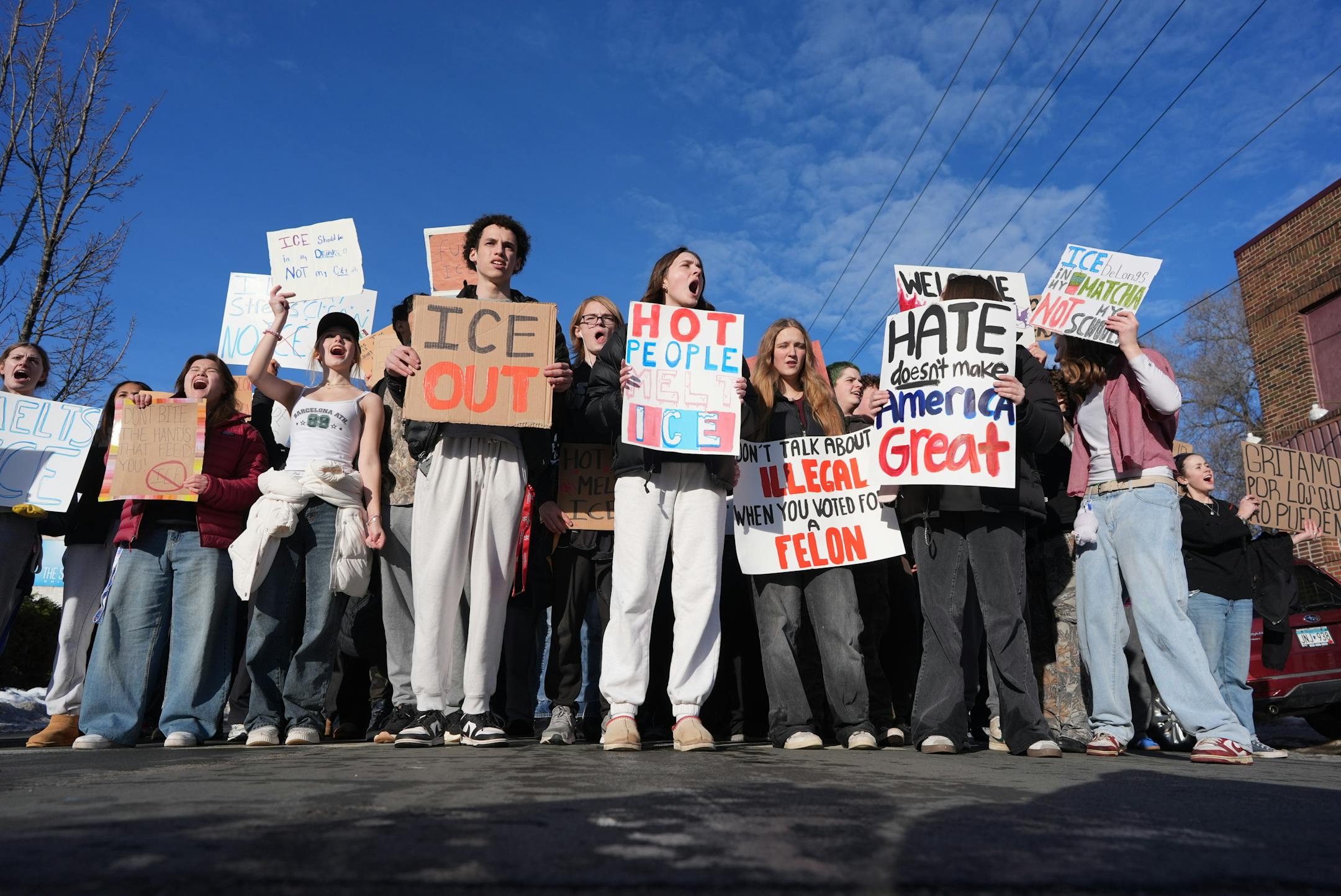
The ramped-up presence of federal immigration agents in the Twin Cities — and the fear it’s created — has, for nearly a month now, disrupted normal school day routines for thousands of students across Minnesota.
Attendance has dropped sharply, as some kids are afraid to go to school. More and more students are opting for virtual learning options in the districts that are providing them. ICE agents have been spotted near schools, bus stops and bus routes. Some schools, from Minneapolis to Fridley, have closed temporarily over safety concerns. Classrooms are even missing youngsters who have been detained by federal authorities with their parents.
As a result, social workers and other school staff across Minnesota say they have become front-line responders, increasingly pulled in two directions — acting both as lifelines for families sheltering at home to connect them to food and rental assistance while also trying to preserve a sense of routine normalcy for students in the building.
“It’s about triaging the needs,” said one Fridley school social worker who has worked in the district for nine years.
She, and the rest of her team, asked to be identified only by their years of service in the district out of fear that speaking publicly could lead federal immigration enforcement to the families they serve.
“Our full day job is just ensuring the top level of safety for our kids,” she said. “This is crisis mode.”