Student attendance has dropped sharply in several Twin Cities school districts as families keep children home amid heightened fear over increasing federal immigration enforcement.
With 3,000 federal agents reportedly headed to Minnesota in what the U.S. Department of Homeland Security calls the largest immigration enforcement operation in history, local schools are facing a growing number of reports, many unconfirmed, of agents near school buildings and bus stops.
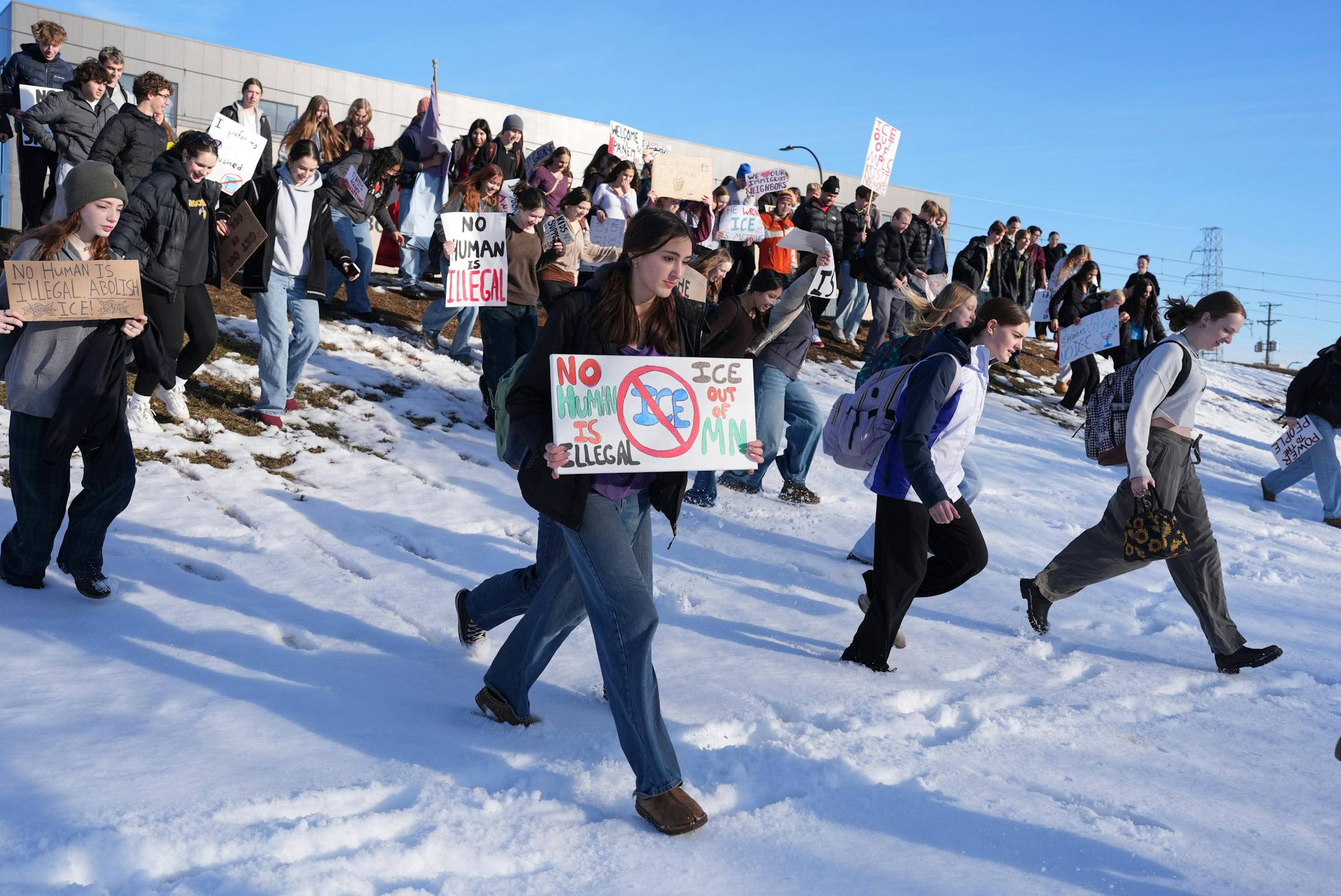
While schools haven’t confirmed any agents entering schools, the federal activity is stoking fear and uncertainty, especially after federal agents and protesters clashed at Roosevelt High School in Minneapolis last week.
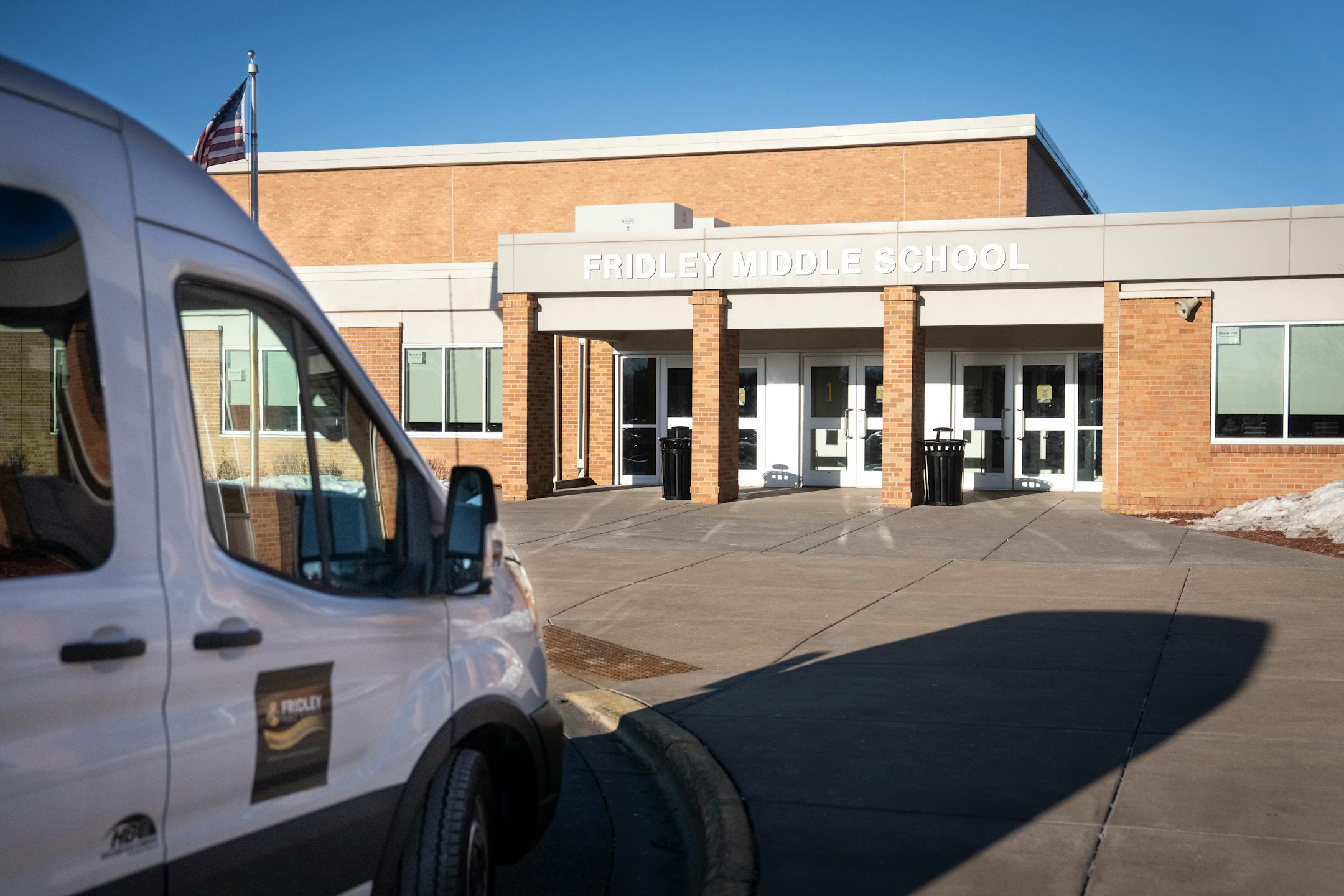
Minneapolis closed schools for two days over safety concerns while Fridley closed schools on Jan. 9 and Columbia Heights shifted to online learning that day. Now, more schools are offering remote learning, with Fridley, St. Paul and Robbinsdale on Jan. 14 joining Minneapolis in giving students the option of e-learning hours after a Robbinsdale student’s parent was detained at their school bus stop.
St. Paul, the state’s second-largest district, is calling off classes Jan. 19-Jan. 21 to prepare for the debut of the temporary virtual learning option on Jan. 22.
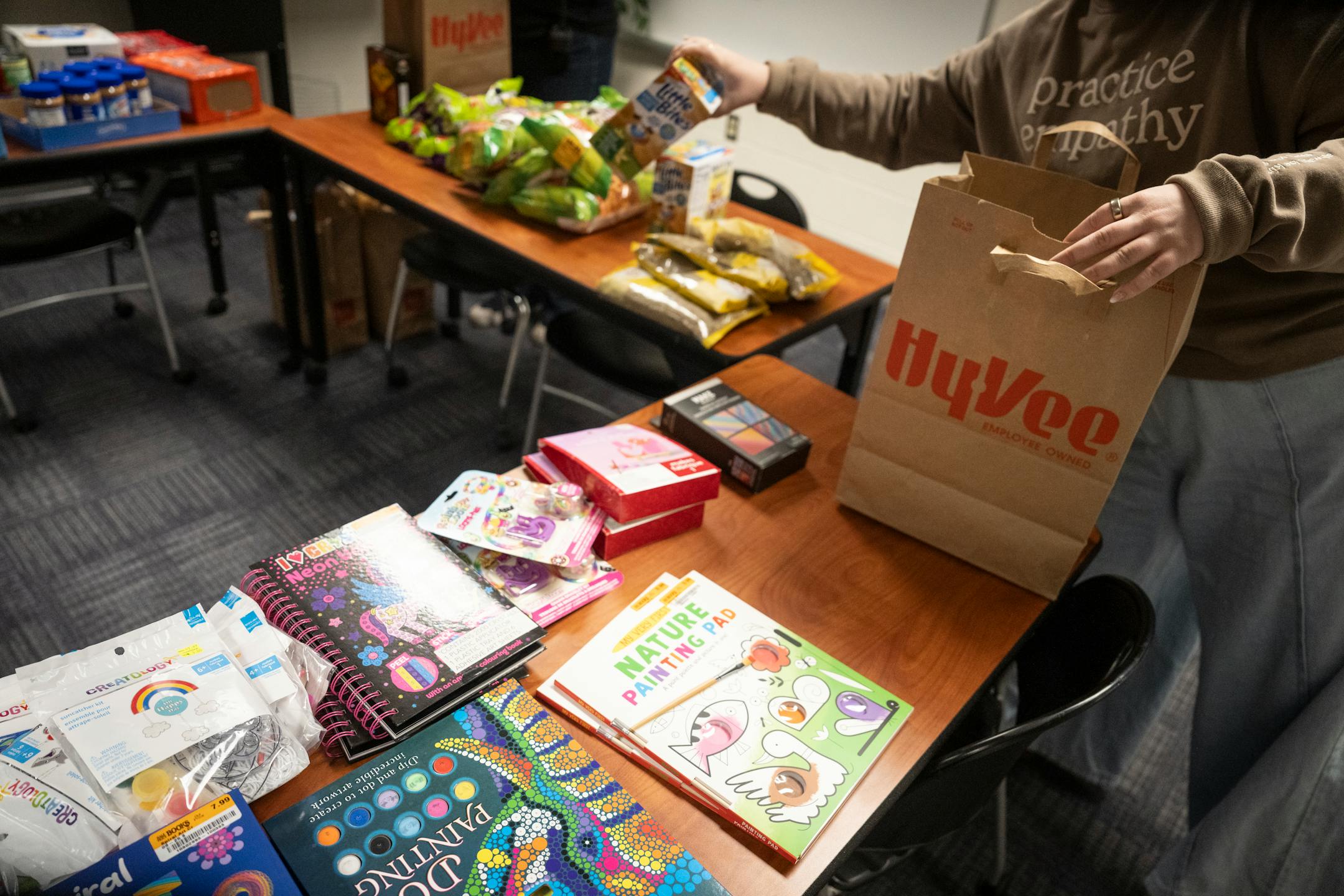
Across the Twin Cities, school leaders are expanding safety measures, including reminding bus drivers of what to do if ICE agents show up, and increasing communication with families. Staff and parent groups are also rallying to show support for families, and offering transportation and grocery deliveries to students and staff too scared to come to school or drive themselves.
“This is terrorizing our school community,” Fridley Public Schools Superintendent Brenda Lewis said. “No one feels safer with this presence, and the damage to our most vulnerable students will take years to undo.”
Many school districts began developing guidance and communication plans related to immigration enforcement more than a year ago, after federal policy changes in early 2025 lifted prior guidance limiting enforcement in sensitive locations, including schools. Federal officials have since said immigration agents do not target schools or children.