

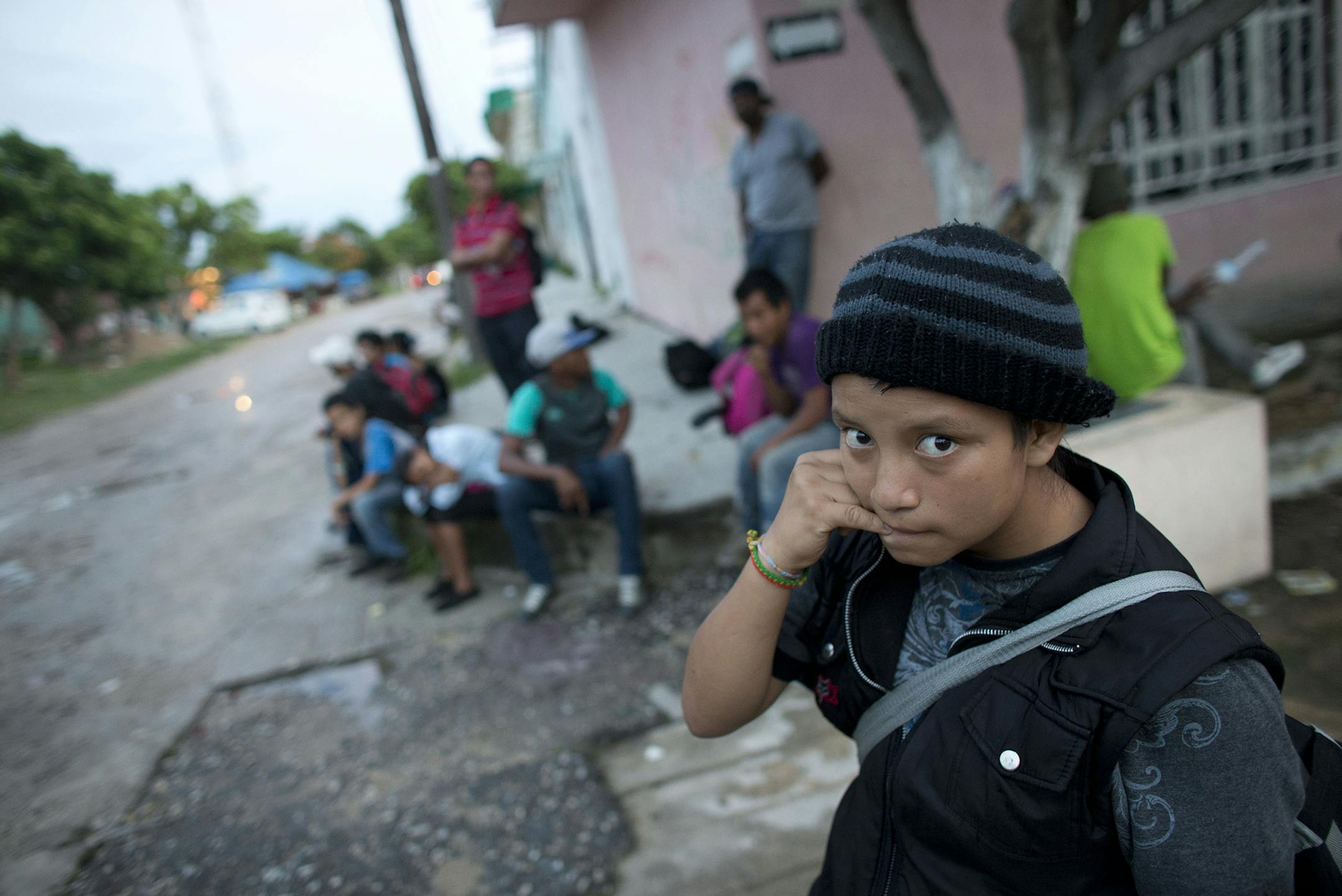
Images of children packed like sardines into customs centers tug at the heartstrings of most Americans. The kids are alone and frightened after harrowing journeys from their homes in Central America.
A combination of events has sent tens of thousands of unaccompanied minors to America's southern borders in recent months, putting sudden demands on this nation's already inadequate immigration system. An immediate and humane response is critical.
President Obama has urged Congress to approve $3.7 billion to deal with the "urgent humanitarian'' situation. The emergency funding would be used to hire more immigration judges and asylum officers, build more detention facilities, beef up deterrence and enforcement, and increase surveillance along the border with Mexico.
About half of the funding would go to the Department of Health and Human Services to care for the kids — including providing food, shelter and medical care.
More than 50,000 young people have crossed the border unaccompanied since last fall. If the current rates continue, Border Patrol officials estimate that the number could swell to 90,000 by the end of September. Many are fleeing oppressive violence in El Salvador, Guatemala and Honduras, and some are drawn by rumors that once they make it to the United States they will be allowed to stay. An estimated one-third to one-half of the children hope to be reunited with family members in the United States.
Congress should stop its bickering and act on the administration's request, with a priority on getting funds to border control and HHS to help care for and hear the cases of kids who are already here.
As part of the request, Obama wants a change in current law to allow for faster deportation. He's also urged parents and families in Central America to stop sending their children to the United States and has made it clear that it's unlikely they'll be able to stay.
Under current U.S. law, children from nations other than Mexico and Canada have the right to a hearing to determine if they have a legitimate immigration claim. Often the court proceedings to determine status can take months or years. While its important to resolve the cases more quickly, the children should receive appropriate representation and due process, and those with legitimate claims should not be deported.


