

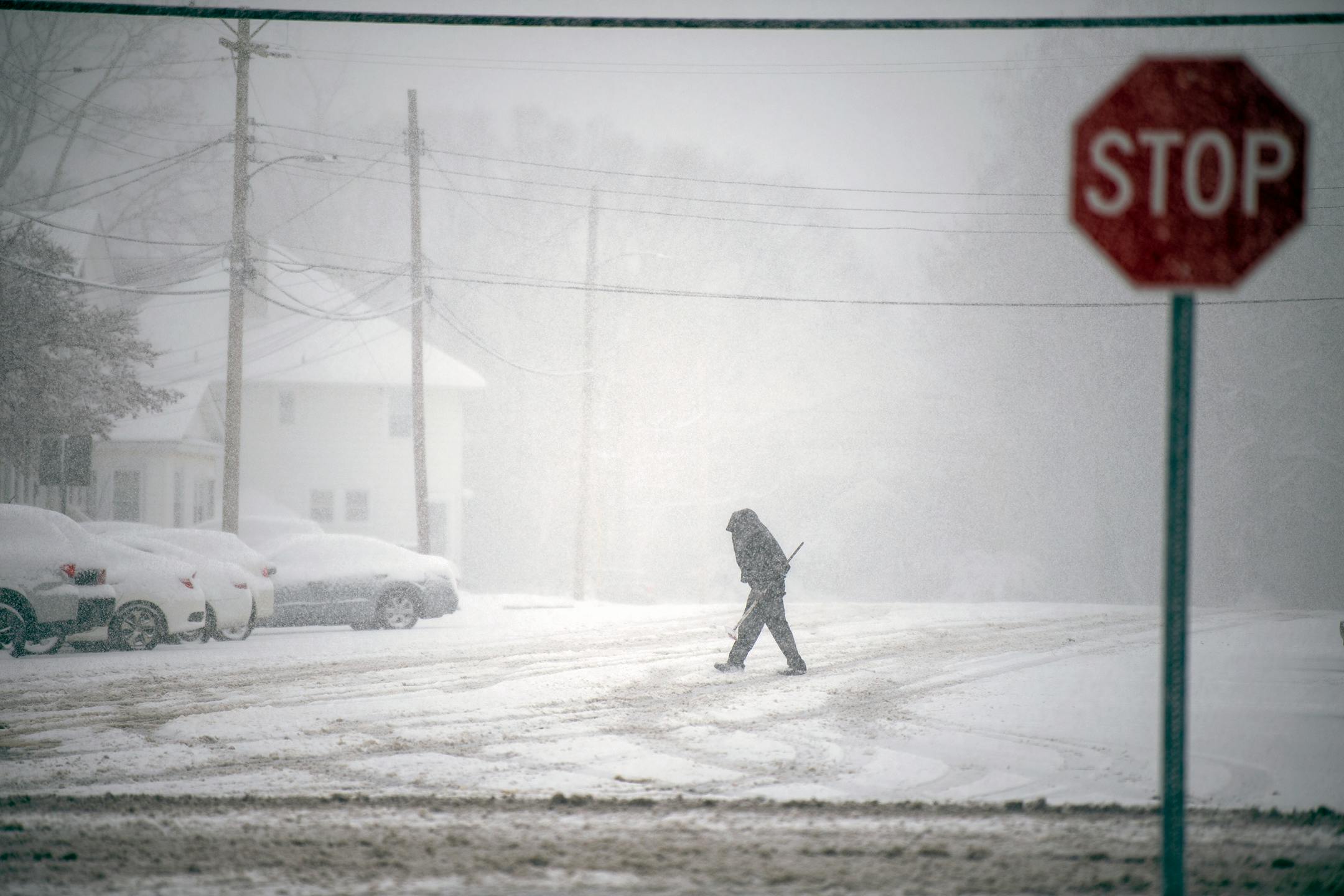
Winter is a wonderful time of year, especially if you can avoid slipping, falling and getting hurt.
Dr. Sanjeev Kakar, a Mayo Clinic orthopedic surgeon who specializes in injuries to the hand and wrist, treats his share of injuries during the winter. Here are some of the common injuries he sees and how he treats them:
Frostnip and frostbite
Frostbite happens when the skin and underlying tissues freeze. Mild frostbite — the earliest stage of the condition — is known as frostnip.
"It's a spectrum. With the milder forms, you can get some pain and some numbness of the fingertips, and the skin can change its color," Kakar said. "It can be red, white or blue. Blisters can also develop on your hands, and it can be a very serious injury."
Frostbite is more common than people think, Kakar said. He sees frostbite when the temperature is 5 degrees Fahrenheit with minimal windchill. If the windchill drops to 15 degrees below zero, frostbite can set in within 30 minutes.
The fingers, toes, nose, ears, cheeks and chin are especially at risk. Exposed skin in cold, windy weather is most vulnerable, but frostbite can occur on skin covered by gloves and clothing.
You can treat frostnip at home with first-aid care because the skin is not permanently damaged. Beyond that, seek medical attention because frostbite can permanently damage skin, muscle, bone and other tissue. Depending on the severity of the injury, treatments could include medications, wound care or surgery.
Wrist fractures
Kakar also sees a rise in wrist injuries immediately after winter storms, especially among older people whose bones could be fragile because of osteopenia or osteoporosis. He also sees snowboarders, skiers and ice skaters who have broken their wrists during their activities.


