

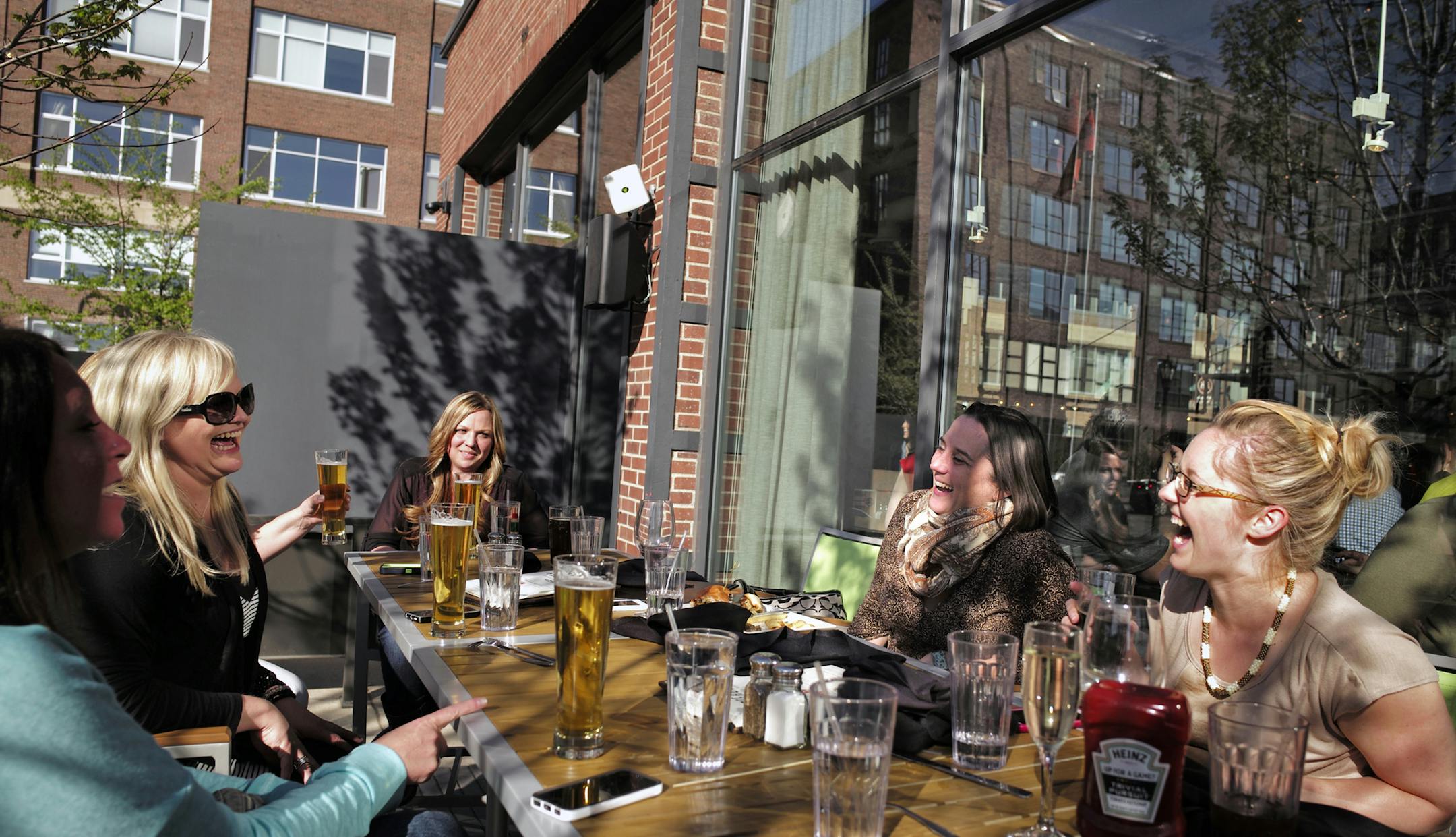
Minneapolis' population has surpassed 400,000 for the first time since the mid-1970s, a striking reversal from decades of population decline and stagnation.
Preliminary estimates also show St. Paul edged past 296,000 in 2013 after what was, for both cities, the largest annual population increase since at least 2000, according to Metropolitan Council data. Those figures, based largely on housing trends, could change before they are certified in July.
The core cities' growth comes as cities nationwide are reclaiming populations lost to the suburbs in the latter half of the 20th century. Demographers find that young people are increasingly choosing to live in urbanized areas rich in amenities, diversity and transportation options. Also, more elderly people want to stay in the city.
Minneapolis's population fell steadily from its peak of about 521,000 in 1950 and, despite some 1990s growth, remained virtually unchanged between 2000 and 2010. But growth since 2010 now appears to gaining momentum as new apartment and condo buildings rise in downtown and the North Loop, Uptown and University of Minnesota neighborhoods.
The boom is embodied by people like Dave Michela and his partner, who lived in Twin Cities suburbs for more than a decade. They will move from Golden Valley into a new condo in the Mill District this July.
"Our lives really revolve around downtown," said Michela, a vice president for a Minnetonka tech company. "We'd leave our work in the suburbs, go home to change and go downtown. It just made perfect sense that we would try to relocate."
Michela said that their attraction to urban living has grown in lockstep with a growing list of downtown amenities, including new grocery stores and parks. The development of Downtown East has only made it more attractive.
"Downtown is a now a viable residential community that is not going to ebb and flow with the whims of the market," he said. "It's an established place where people want to be."
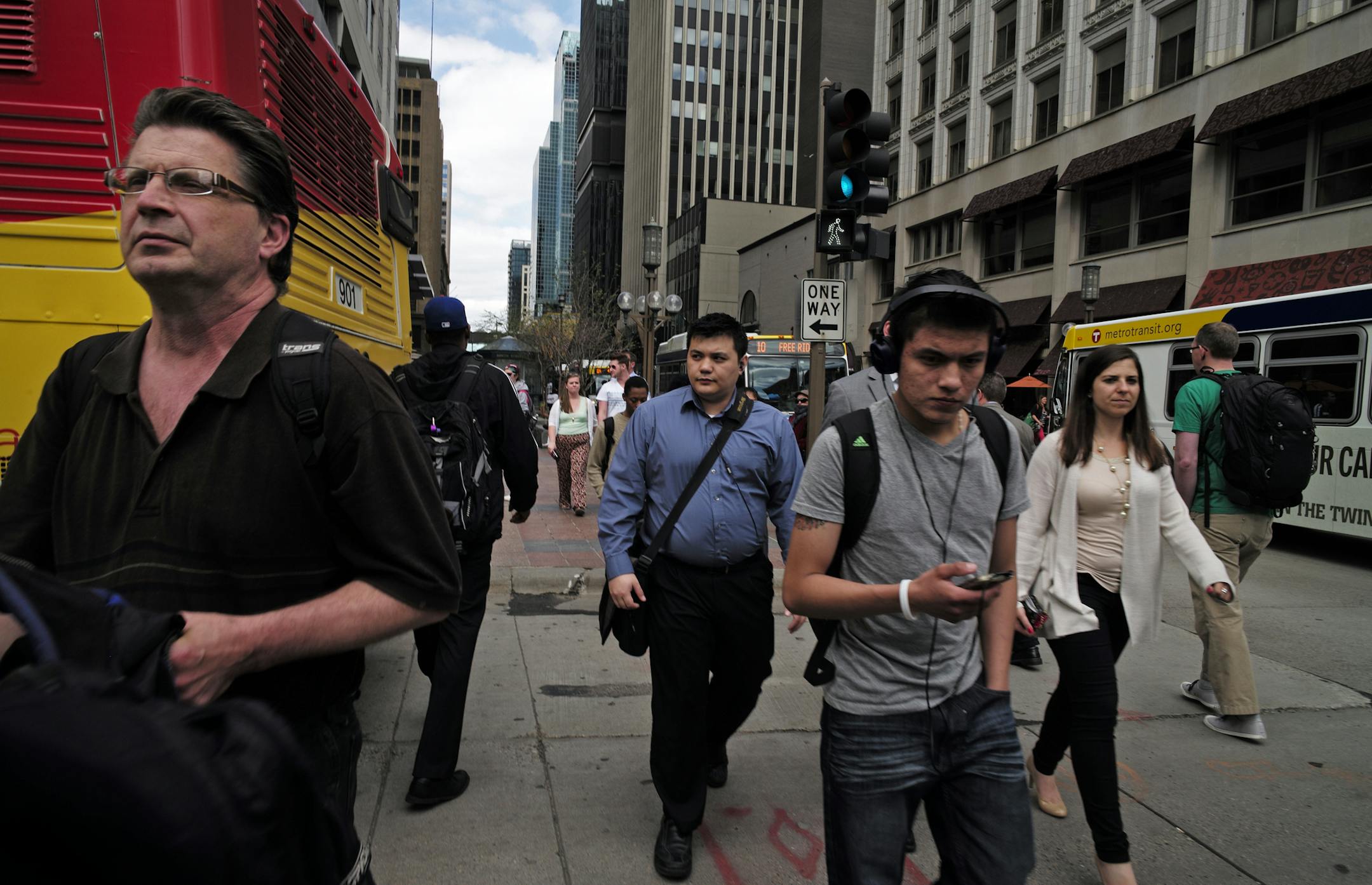
![At the Free House Pub in the North Loop downtown Minneapolis, friends including Realtor Shae Walker, far right, enjoyed happy hour in the patio with new condos all around them. Minneapolis' population has exceeded 400,000 based on new estimates from the Metropolitan Council, a significant marker in the city's recent reversal of population declines. ]richard.tsong-taatarii/rtsong-taatarii@startribune.com](https://arc.stimg.co/startribunemedia/2IRLVYLBGLVASFDSDFNHRSR6BE.jpg?&w=1080)


