

The trench was 6 feet deep, 4 feet wide — "grave-sized," my helper quipped. Freezing water sloshed to our knees on a winter Friday evening when the temperature, already below zero, was falling with the darkness.
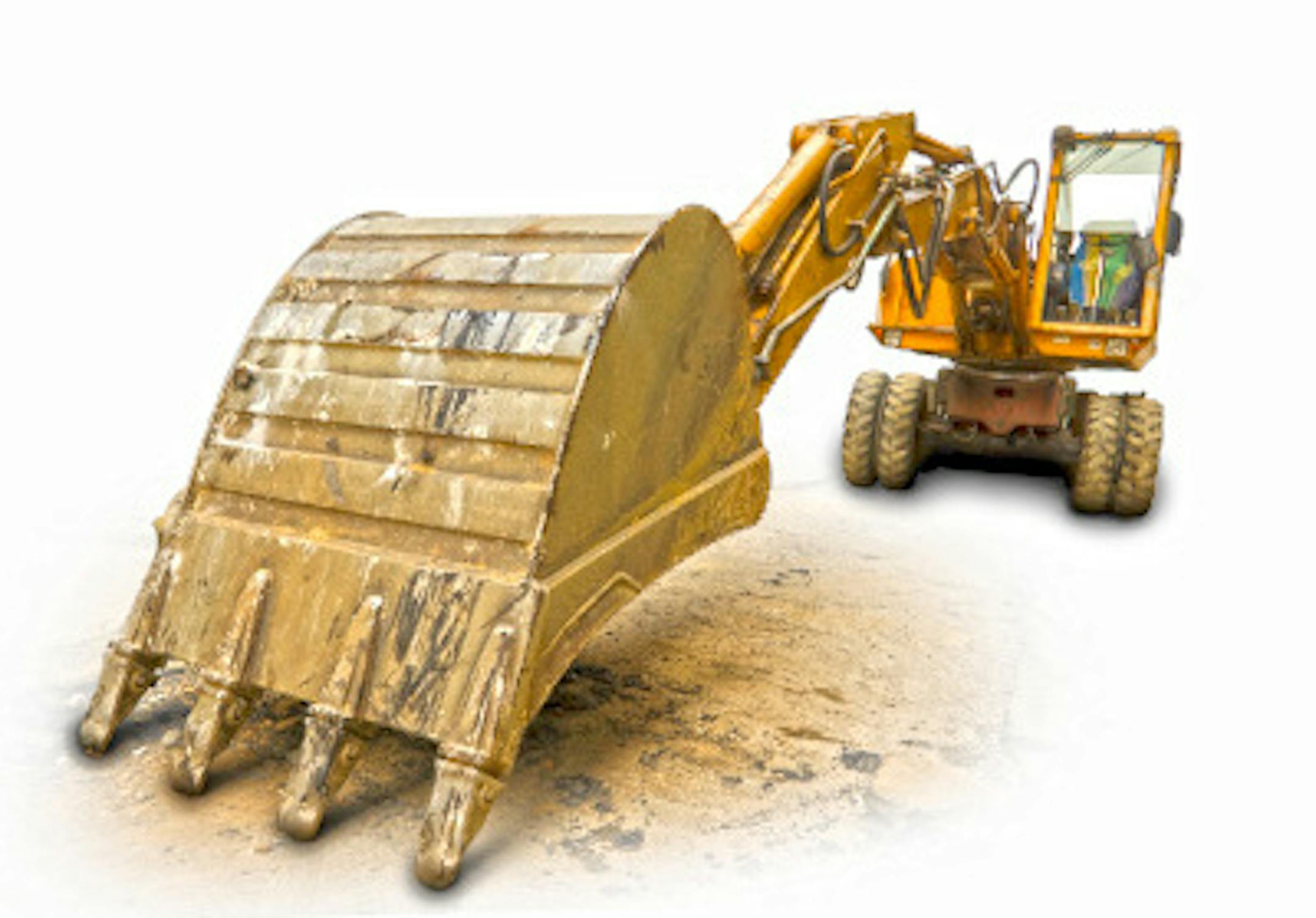
Our municipal utilities crew was replacing a leaking valve serving a fire hydrant, preventing a street from being hydraulically undermined. In the confines of a residential neighborhood, our backhoe operator had only one option for dumping the sopping clay excavated from the trench: He piled it, as gently as possible, against the wall of a private garage. It was mounded to just below the roof eave, where it froze solid. The owner/taxpayer wasn't home, but would presumably return from work any moment. I assumed that this person would be upset, perhaps furious — and vocal.
Around 6 p.m., a car drove up to the half-buried garage. Oh-oh, I thought, here it comes. I heard the door open and close. A pause, then the sound of footsteps — a male tread to my ear — approaching the edge of the ditch. By then I was soaked, plastered with frosty mud, working in the beam of a flashlight. The walls of the trench were sheathed with ice.
The footsteps stopped at the rim, and I fancied I could feel the garage owner's gaze on my back. I braced for a tongue-lashing. Several seconds passed, then the man cleared his throat.
"Well," he said. "Whatever they're paying you, it ain't enough."
I laughed, but mentally amended his statement: "Whatever you're paying me …" As a taxpayer, he was ultimately my paymaster.
Public employees work at the precise junction of the conflict between the necessity of taxation and the universal hatred of it. This ambivalence is a source for our current political gridlock: We the people covet the benefits of civilization, but we don't like to pay for them.
Forty years ago, in the bipartisan era of the "Minnesota Miracle," when the umbilical cord between taxes and quality of life was apparent to many, President Obama's remark during the last election campaign, "you didn't build this," would have been understood in the context in which it was intended: Government, supported by taxation, built the roads, bridges, water supply systems, sewage treatment plants, schools, airports, etc., that make capitalism and business possible.


