

I admit that I'm selfish. I want access. I seek transparency. As a sportswriter, I want the athletes I cover to be available for interviews so they can explain their successes or failures. And I thrive on opportunities to humanize the athletes I cover beyond the numbers they put up.
Sometimes the only opportunity for athletes to articulate themselves is during news conferences, especially at global events like a tennis grand slam.
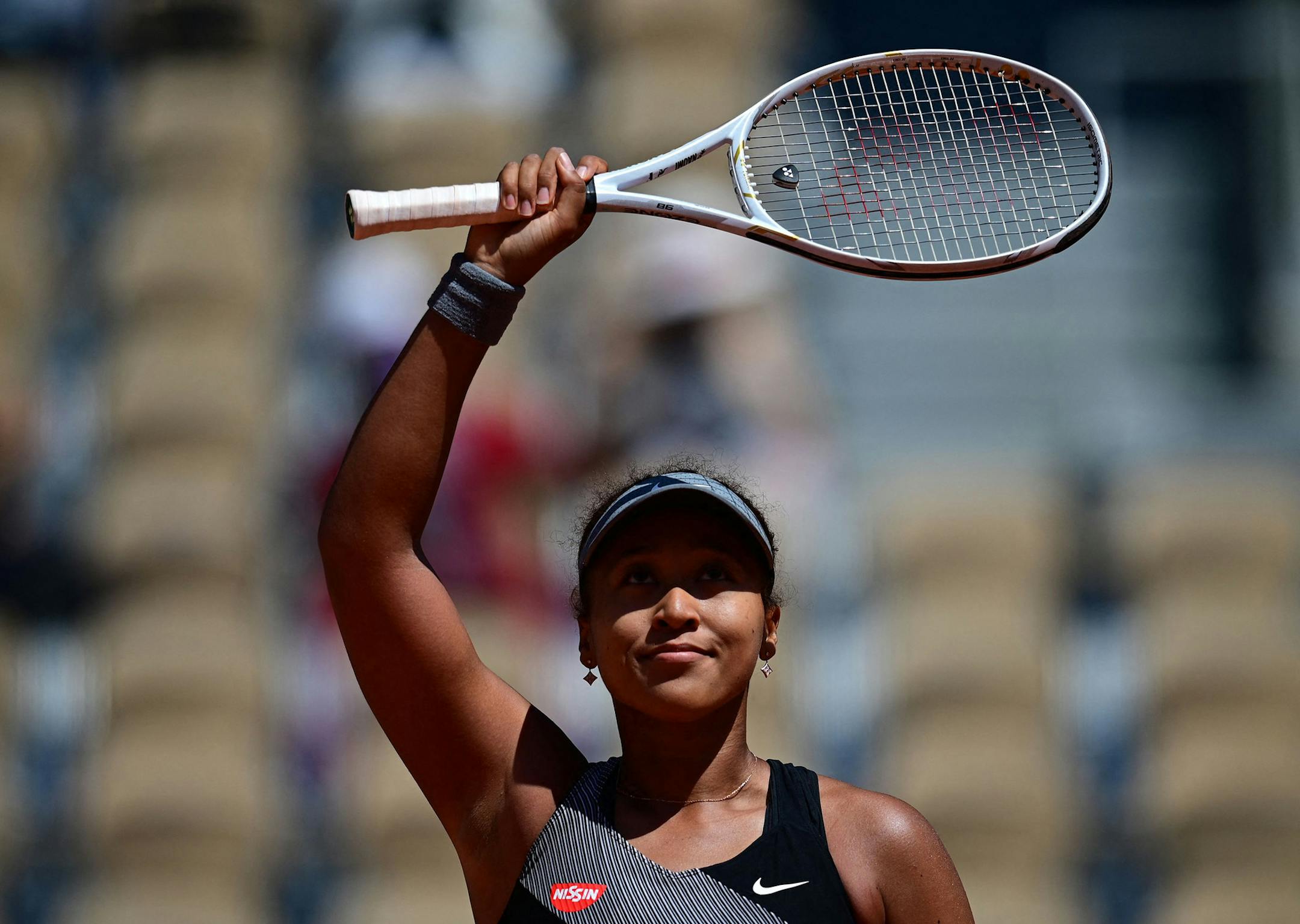
Tennis star Naomi Osaka revealing she experiences "huge waves of anxiety" when speaking with media and has battled depression since winning the 2018 U.S. Open is a cause for pause. It's another reminder that professional athletes are not emotionless, fearless automatons who are driven to win. They have mental challenges like many of us.
What makes me nervous is that my presence or my questions could be contributing to someone's mental health struggles. Maybe it comes with the job and is unavoidable at times — but it's not a good feeling.
Osaka revealed her challenges only after she was fined for not attending a French Open postmatch news conference — something she said she was going to do before the competition began. She withdrew from the tournament and revealed more about her depression.
She's not alone. Swimmer Michael Phelps and basketball players Kevin Love and DeMar DeRozan are among athletes who have given voice to their vulnerabilities and struggles.
Dr. Rick Aberman, the former director of peak performance for the Twins who has also worked with the Vikings and college teams, said admitting a problem is not a sign of weakness.
"I see it more as courage than as a weakness." he said. "The courage to risk failure. Speaking up in a meeting. That takes some courage, but it's also about being vulnerable because people will disagree with you and think you're silly. That's how we show ourselves. And that's about being a real human being."


