Dabney: Minnesota’s recreational weed rollout leaves small businesses behind

While medical dispensaries have been given the green light to start recreational sales, small entrepreneurs are still stuck in limbo.

Columnist Icon
The Minnesota Star Tribune
September 25, 2025 at 11:00AM
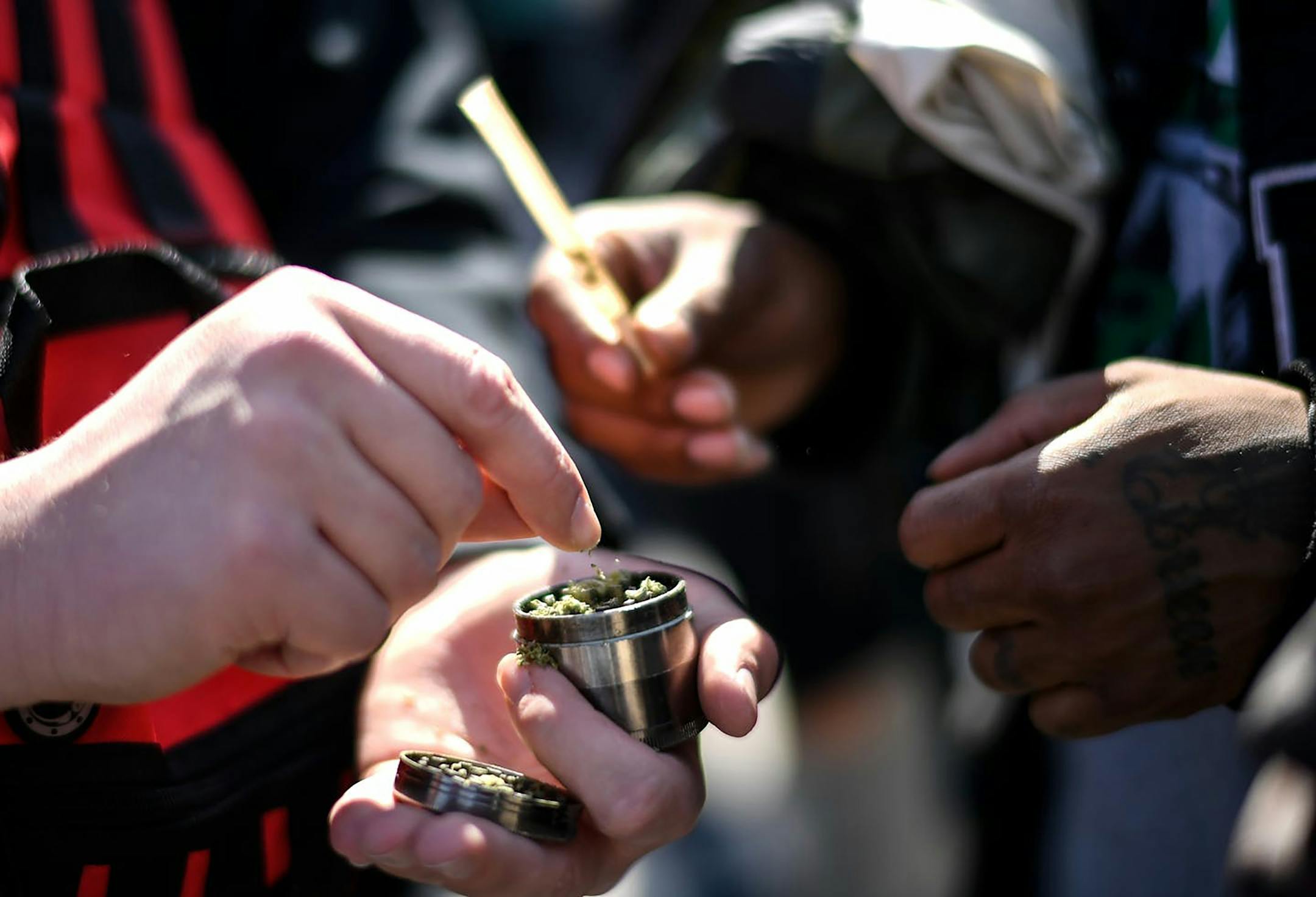
"The promise of legalization in Minnesota wasn’t just that cannabis would be legal," Clemon Dabney writes. "It was that legalization would be different. That it would be built on equity, local ownership and craft production. Instead, what we’re seeing is a familiar story. Big, out-of-state corporations are being given a head start while small businesses are told to wait." Above, attendees of Cannabis Awareness Day at the Minnesota Capitol worked on packing a joint. (Star Tribune)

Opinion editor’s note: Strib Voices publishes a mix of material from 11 contributing columnists, along with other commentary online and in print each day. To contribute, click here.

•••

After decades of prohibition and more than a year of bureaucratic delays, cannabis is finally being sold legally in Minnesota. Now, Minnesotans can walk into a store and buy cannabis without fear of arrest. That’s historic.

But while the public is rightly celebrating this major milestone, small cannabis entrepreneurs such as myself — the very people legalization was supposed to empower — are asking a harder question: Who is really benefiting?

The promise of legalization in Minnesota wasn’t just that cannabis would be legal. It was that legalization would be different. That it would be built on equity, local ownership and craft production. Instead, what we’re seeing is a familiar story. Big, out-of-state corporations are being given a head start while small businesses are told to wait.

Right now, Minnesota doesn’t have one cannabis market — it has three. First, there are the tribal nations. Red Lake was the first to open an adult-use dispensary in August 2023, followed shortly after by White Earth and Prairie Island. Using their sovereignty, the tribes moved quickly, reinvesting profits into their communities and proving that Minnesota consumers are more than ready for recreational sales. Under state compacts, White Earth and Mille Lacs were also granted the ability to open off-reservation dispensaries, expanding access beyond tribal lands. White Earth now supplies flower and vapes to shops like Legacy Cannabis in Duluth, which has become an instant success story.

Second, there are the corporate multistate operators, the medical cannabis giants — Vireo and Green Thumb Industries (GTI). These companies ran the state’s medical program for years, keeping prices high and patient access low. Now, they’ve been handed the keys to recreational sales by the state and flipped their medical dispensaries over last week to general sales.

Finally, there’s everyone else: the small businesses, family farms and equity applicants who were told this market would be built for them. They’ve been waiting for the Minnesota Office of Cannabis Management (OCM) to move the licensing process forward. As of Sept. 23, just 42 licenses have been issued out of 1,391 preliminarily approved statewide — a fraction of what’s needed to create a truly diverse and competitive market.

It’s the small businesses that have been left in limbo — paying rent on empty storefronts, struggling to raise capital without revenue and watching consumer loyalty build around competitors who got to market first. And even once these small businesses are licensed, they’ll face another hurdle: supply. Right now, the only legal cannabis products available in Minnesota come from tribal nations or medical cannabis companies. Other new retailers will be forced to wait for cultivation and manufacturing to catch up before they can stock their shelves. The result is a fractured landscape where opportunity is uneven, competition is distorted and the equity goals that drove legalization slip further out of reach.

Here’s what most people might not know. The OCM quietly gave GTI and Vireo a huge competitive edge. The deal allowed them to keep operations running while applying for an adult-use license. No downtime. No risk. No delays. It lets them take their medical cannabis inventory and repurpose medical products as recreational products. Cannabis grown months ago under medical rules can now be sold as fresh recreational stock — all before a single small business, farmer or equity applicant has produced any cannabis products for sale.

Supporters argue this carve-out also helped address the immediate problem of supply, since without tribal production or medical inventory, shelves in most of Minnesota would otherwise remain empty. But in practice, it also gave the multistate operators an exclusive head start while everyone else is still stuck waiting.

For GTI and Vireo, it’s a dream deal. GTI, operating under its Rise brand, made headlines by opening five dispensaries across Minnesota in a single day last week — an aggressive rollout no small, local business could match.

Minnesota’s market is now a patchwork of tribal shops, medical providers turned recreational sellers, and just one state-licensed non-medical retailer. In total, there are 27 adult-use shops open statewide. Of those, 11 are tribally owned and 15 are dispensaries run by the state’s two medical cannabis giants. And standing alone as the first and only independent state-licensed retailer not tied to the medical system is Legacy Cannabis in Duluth, which has become a symbol of the craft-driven market many Minnesotans want to see.

Picture yourself as a small farmer trying to set up shop in this new industry. You’re scrambling to find property that local zoning boards won’t block. You’re raising capital without big-money investors. You’re building out a facility from scratch while waiting for the OCM to finalize your license — stuck in preliminary status and unable to operate until you’re fully approved. Meanwhile, your competition already has products on the shelves, brand recognition across the state and permission to sell old inventory as “new” recreational cannabis.

Most Minnesotans don’t know and might not care about any of this. They just know they can finally walk into a shop and buy a legal joint. The demand is obvious — lines out the door, shelves selling out, people posting their first legal purchases on Instagram. That joy is real.

But what’s on those shelves isn’t Minnesota craft cannabis. It is corporate product from GTI and Vireo — medical cannabis recycled into the adult use market under the OCM’s approval — alongside some supply from tribal nations like White Earth. The family farms, the legacy growers, the entrepreneurs from communities harmed by prohibition still haven’t had a chance to bring their products to market.

It doesn’t have to stay this way. Minnesota can still build the cannabis market it promised — one rooted in equity and craft. But it requires action now. Speed up licensing for the over 1,000 preapproved licensees still waiting. Hold multistate operators to the same standards as everyone else. Provide financing and technical support so local entrepreneurs can compete. Educate consumers so they can choose Minnesota craft cannabis once it’s finally available.

Because let’s be honest: Minnesotans want the local option. This is the land of family farms, co-ops and craft breweries. People here care about where their products come from. Cannabis should be no different.

about the writer

about the writer

Clemon Dabney

Contributing Columnist

Clemon Dabney is a contributing columnist for the Minnesota Star Tribune focusing on all things cannabis. He is a cannabis expert, scientist and entrepreneur.

See Moreicon

More from Contributing Columnists

See More
card image
Jeff Wheeler/The Minnesota Star Tribune

The loss of more than a billion dollars that’s occurred on the governor’s watch makes him unfit for further service to the state.

card image