Recreational marijuana sales quickly ramping up in state

Medical dispensary Green Goods opened eight locations statewide to all adults on Tuesday, with another medical provider, Rise, to follow suit on Wednesday at five locations.

The Minnesota Star Tribune
September 17, 2025 at 12:47AM
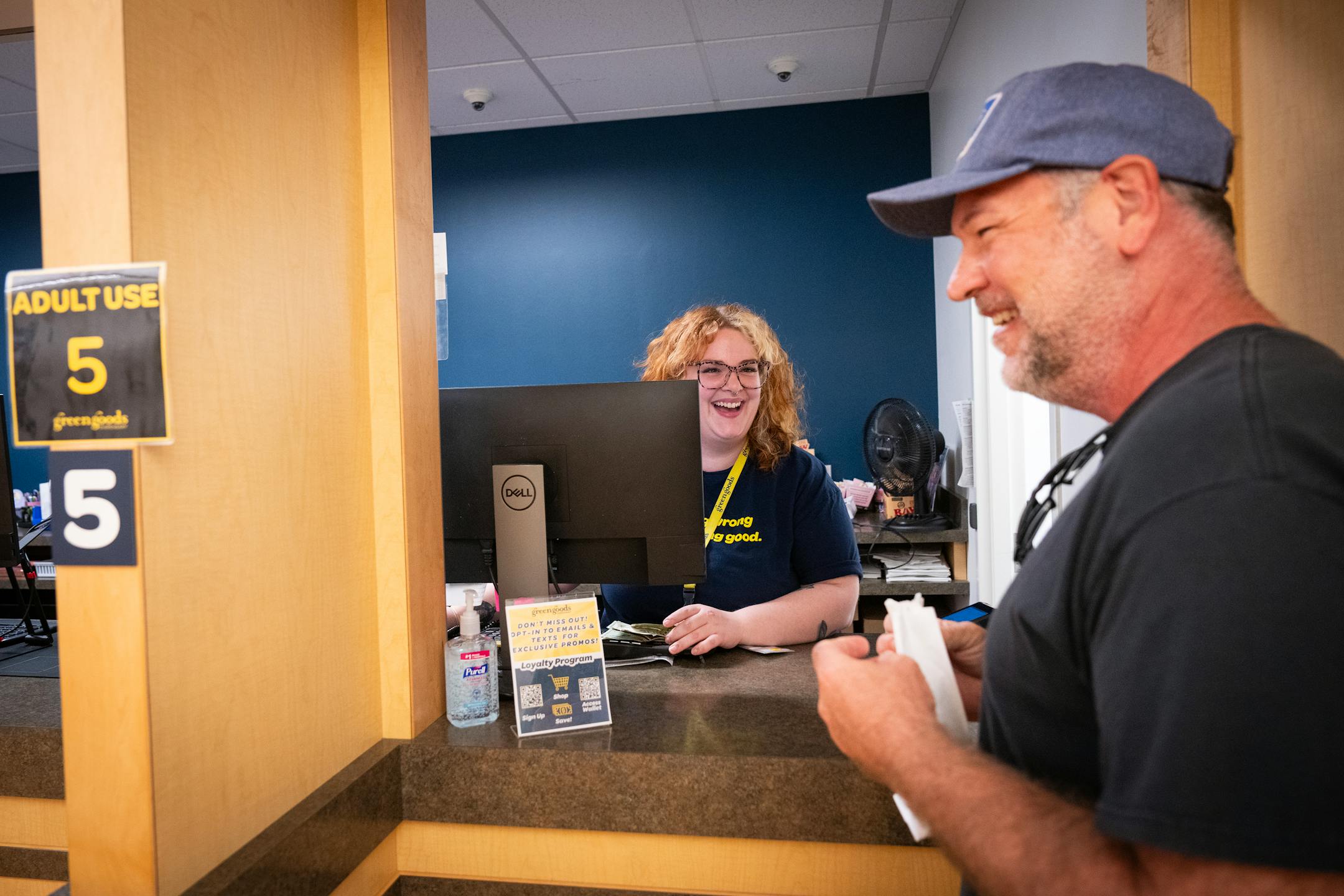
Josh Atchley, right, of Minneapolis, purchases cannabis products at Green Goods Dispensary in Minneapolis on Tuesday, the business' first day of adult recreational sales. (Leila Navidi/The Minnesota Star Tribune)

Recreational marijuana is taking a major leap this week as more than a dozen dispensaries across Minnesota open to all adult customers.

On Monday, the Office of Cannabis Management (OCM) approved Rise and Green Goods, the state’s only licensed medical cannabis providers, to also sell recreational cannabis products at their sites across the Twin Cities and around the state.

Their new licenses mark a major expansion of Minnesota’s cannabis market, which is beginning to flower more than two years after recreational use was legalized in 2023.

“We really are at the launch point,” OCM Director Eric Taubel said.

This week also marks the first time many Minnesotans will have a legal dispensary nearby after the slow state rollout left tribal nations operating the first handful of locations to date. A dispensary in Duluth also planned to open Tuesday afternoon.

Even as access improves, customers are bracing for high prices typical of the early days of a new recreational marijuana market.

From medical to retail sales

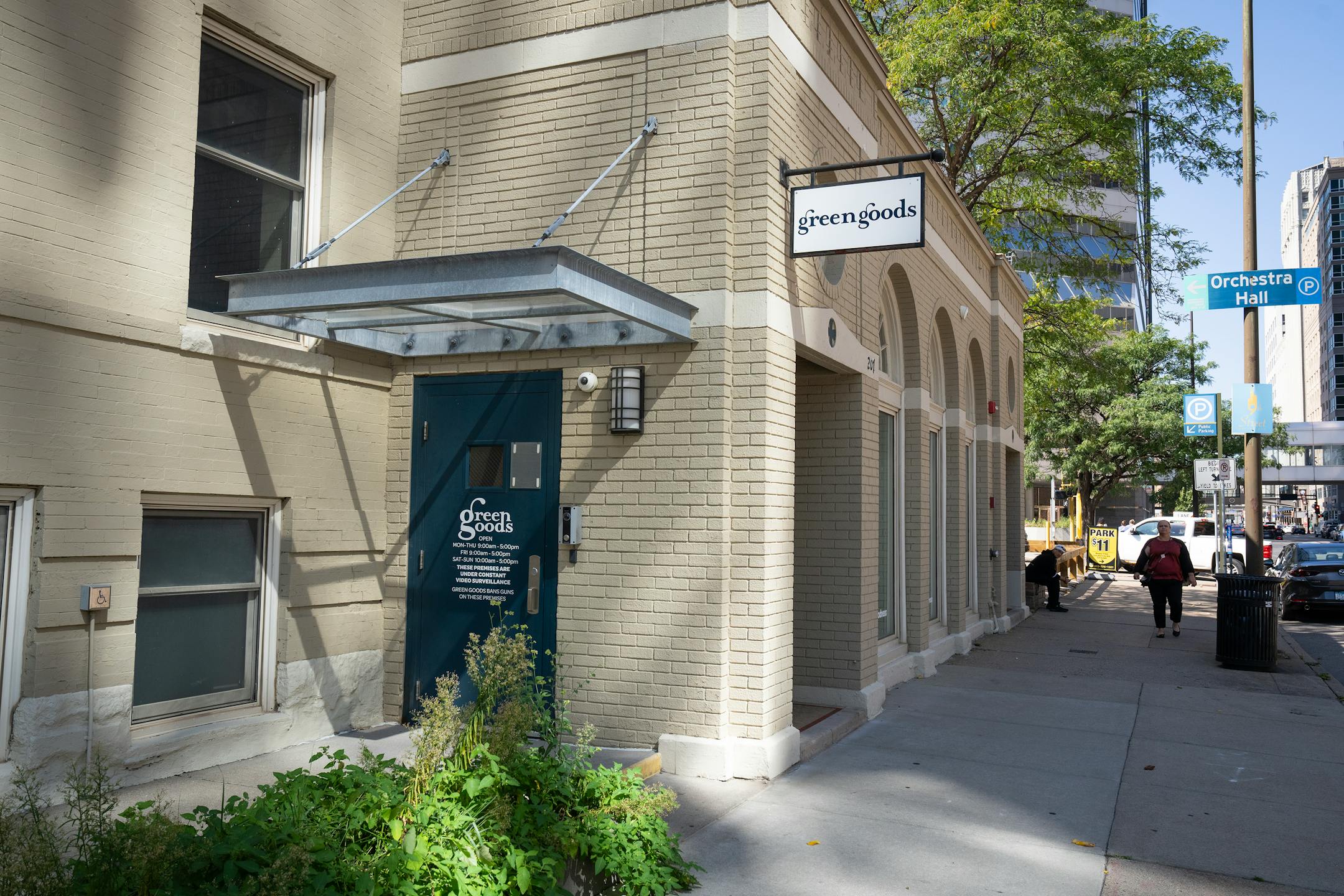
Green Goods began serving recreational customers Tuesday at its eight locations in downtown Minneapolis, Blaine, Bloomington, Burnsville, Hermantown, Moorhead, Rochester and Woodbury. The downtown Minneapolis shop on Ninth Street is the city’s first recreational dispensary.

Rise will follow Wednesday with a ribbon-cutting at 8 a.m. before doors open at 9 a.m. The company operates dispensaries in Brooklyn Park, Eagan, Mankato, New Hope and Willmar. It plans to expand adult-use sales to Baxter and St. Paul soon and to St. Cloud the week of Oct. 6.
Both companies also have the ability to supply cannabis to other retailers, Taubel said.

“One of the key features of the medical combination license is that they can wholesale both medical and adult-use cannabis to state licensees,” he said.

Ben Kovler, CEO of Rise’s parent company Green Thumb Industries, said he’s confident there is enough cannabis to meet demand, though he acknowledged Minnesota’s law makes the process more complicated.

“We’ve done the medical-to-adult-use transition in many states, and we’re selling our product to lots of new microbusinesses, established stores,” Kovler said. “And so there’s no reason to think that Minnesota would be any different.”

Until now, both companies served only patients registered through Minnesota’s regulated medical program.

Their 13 dispensaries across the state have offered products aimed at treating conditions from chronic pain to epilepsy. Minnesota became the 22nd state to launch a medical cannabis program a decade ago.

“To be there on midnight of July 1, 2015, when we served the first three medical patients in the state, and to be there with the team this morning, when we served the first adult-use customers of the same location … was a pretty full-circle moment,” said Amber Shimpa, president of Green Goods’ parent company, Vireo Growth.

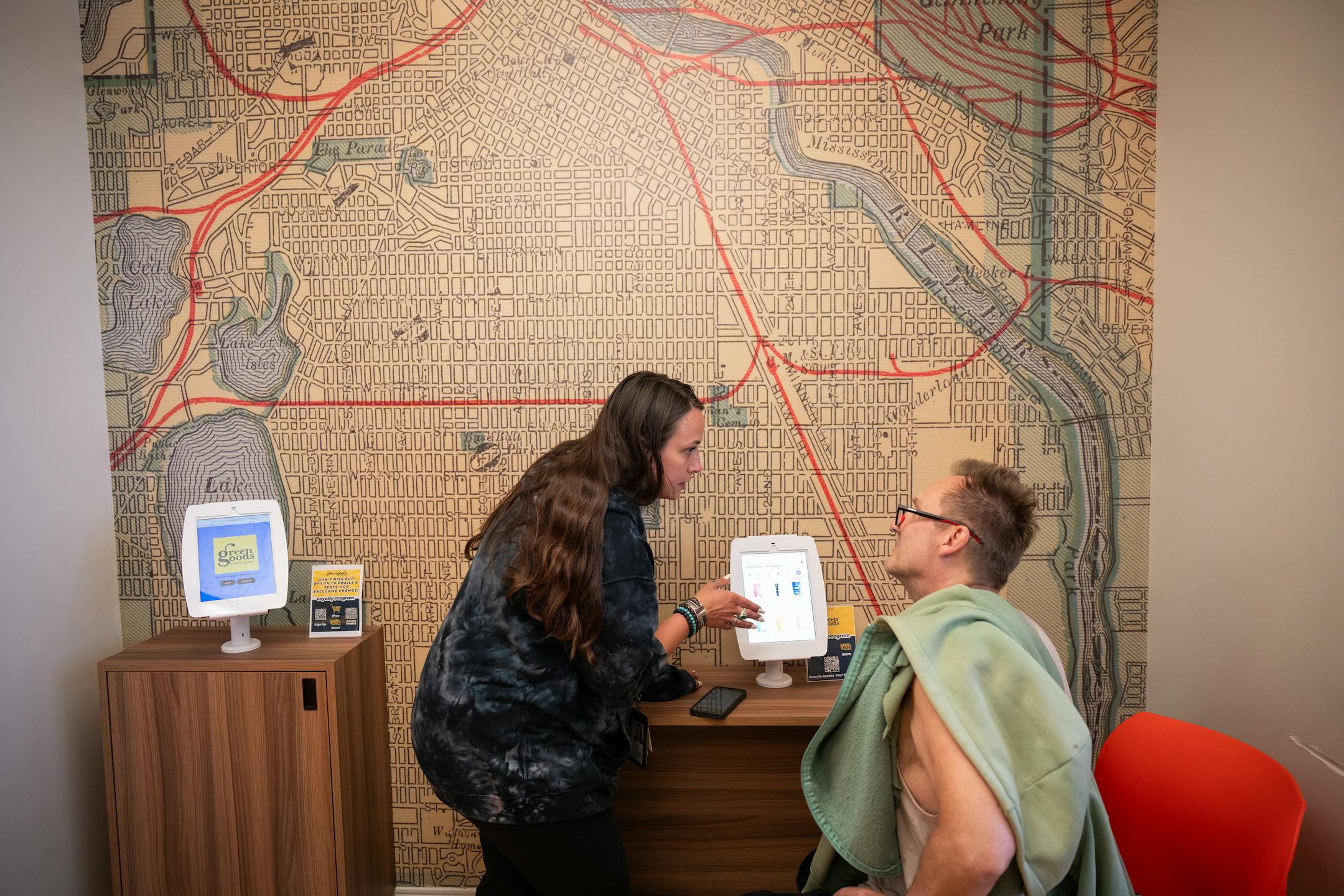
Peter Miller, right, who is visiting Minneapolis from New York City, gets help selecting cannabis products to purchase from patient care coordinator Cassy Taylor at Green Goods Dispensary in Minneapolis on Tuesday. (Leila Navidi/The Minnesota Star Tribune)

Peter Miller, 58, made his first stop at Green Goods after flying in from New York City with his wife.

He doesn’t smoke marijuana himself but was buying products for his spouse and her coworkers. He was surprised to discover Green Goods and even more surprised to learn Tuesday was its very first day of recreational sales.

A ‘short-term solution’

The medical providers have an advantage on newly licensed cannabis businesses because they have been cultivating marijuana indoors for years, said Jason Tarasek, a cannabis attorney. That means they already have product ready, while new businesses must first build growing facilities or source from tribal nations.

“Our medical providers have a bit of a head start, but everyone’s going to catch up rather soon,” Tarasek said.

By the end of the decade, Minnesota’s cannabis market could generate $1.5 billion in sales.

But high prices and limited supplies marked the early years in most states that legalized recreational marijuana. Tarasek said opening up sales through existing medical providers could help stabilize supply and pricing in the early months of adult-use rollout, before smaller retailers are established.

He called it a “short-term solution,” since Rise and Green Goods are “handcuffed” by state rules that limit how much they can sell into the adult-use market.

Medical cannabis combination businesses might only grow cannabis for recreational sales on a growing area half the size of what was used for medical cannabis the previous year.

Shimpa said Green Goods has no plans to limit how much product recreational customers can buy, though the company is keeping a close watch on supply constraints.

Limited supplies, high prices

While Rise and Green Goods gave the market an early boost, Taubel said their cultivation footprint is limited compared to what Minnesota will ultimately need. The state expects demand to reach 1.5 to 2 million square feet of canopy at full maturity.

“Even the amount of canopy they bring into the market today isn’t that substantial as we think about the bigger picture,” he said.

Until cannabis supplies are able to adequately meet or exceed demand, prices are likely to remain higher in Minnesota than they are in states with more established markets, like Michigan.

Kovler called Minnesota’s cannabis tax “reasonable” compared with other states, and said prices typically start high before falling as the market matures.

“I think people who complain about too-high prices, all you have to do is look and see the trajectory of pricing in cannabis, and it continues to go down,” he said.

Both Green Goods and Rise will continue serving medical patients, who don’t have to pay sales and cannabis taxes.

Some recreational customers are already balking at the costs compared with black-market prices, however.

Josh Atchley, 49, of Minneapolis, stopped by the downtown Green Goods location Tuesday and said the experience was convenient: “People are very nice, everything’s laid out and easy to order on the website.”

Still, he said he doesn’t plan to return soon, citing the high prices and taxes.

Green Goods Dispensary in Minneapolis began selling cannabis products to adult recreational customers on Tuesday. (Leila Navidi/The Minnesota Star Tribune)
about the writer

about the writer

Emmy Martin

Business Intern

Emmy Martin is the business reporting intern at the Minnesota Star Tribune.

See Moreicon

More from Cannabis

See More
card image
Alex Kormann/The Minnesota Star Tribune

Don’t panic, THC makers and sellers say, as federal prohibition of the popular hemp drinks is still a year off and will be fought.

card image
card image