
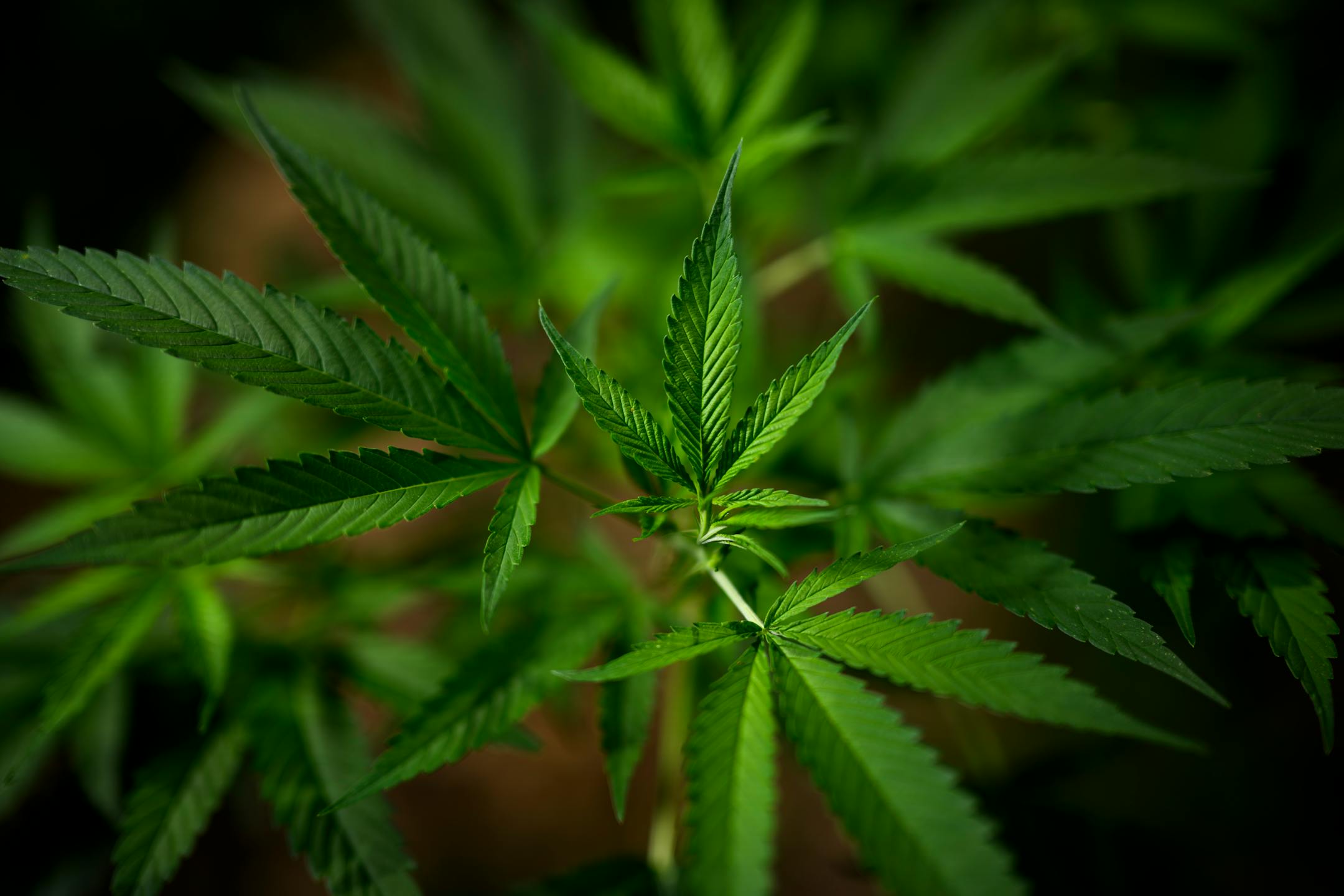
A guide to consuming cannabis safely

What’s safer: smoking, vaping or edibles? How long should you wait to drive a car?

The Minnesota Star Tribune
August 13, 2025 at 10:22PM
Once legal cannabis becomes readily available in Minnesota, more people likely will try it for the first time or use it more frequently. (Aaron Lavinsky/The Minnesota Star Tribune)

Cannabis flower is soon to be readily available in Minnesota, and once it is, it’s assumed that more people will try it for the first time or use it more frequently.

As with any legal substance – from alcohol to Tylenol – there are some risks that come with weed.

“Effects can be positive, can be negative,” said Ryan Vandrey, who runs the Cannabis Science Lab at Johns Hopkins University. “It’s going to depend on the user, their experience with it, why they’re using it, where they’re using it, and it’s going to depend on the details of the actual product and how much is consumed.”

Here are some safety considerations to keep in mind about cannabis:

Smoking, vaping and edibles all come with pros and cons
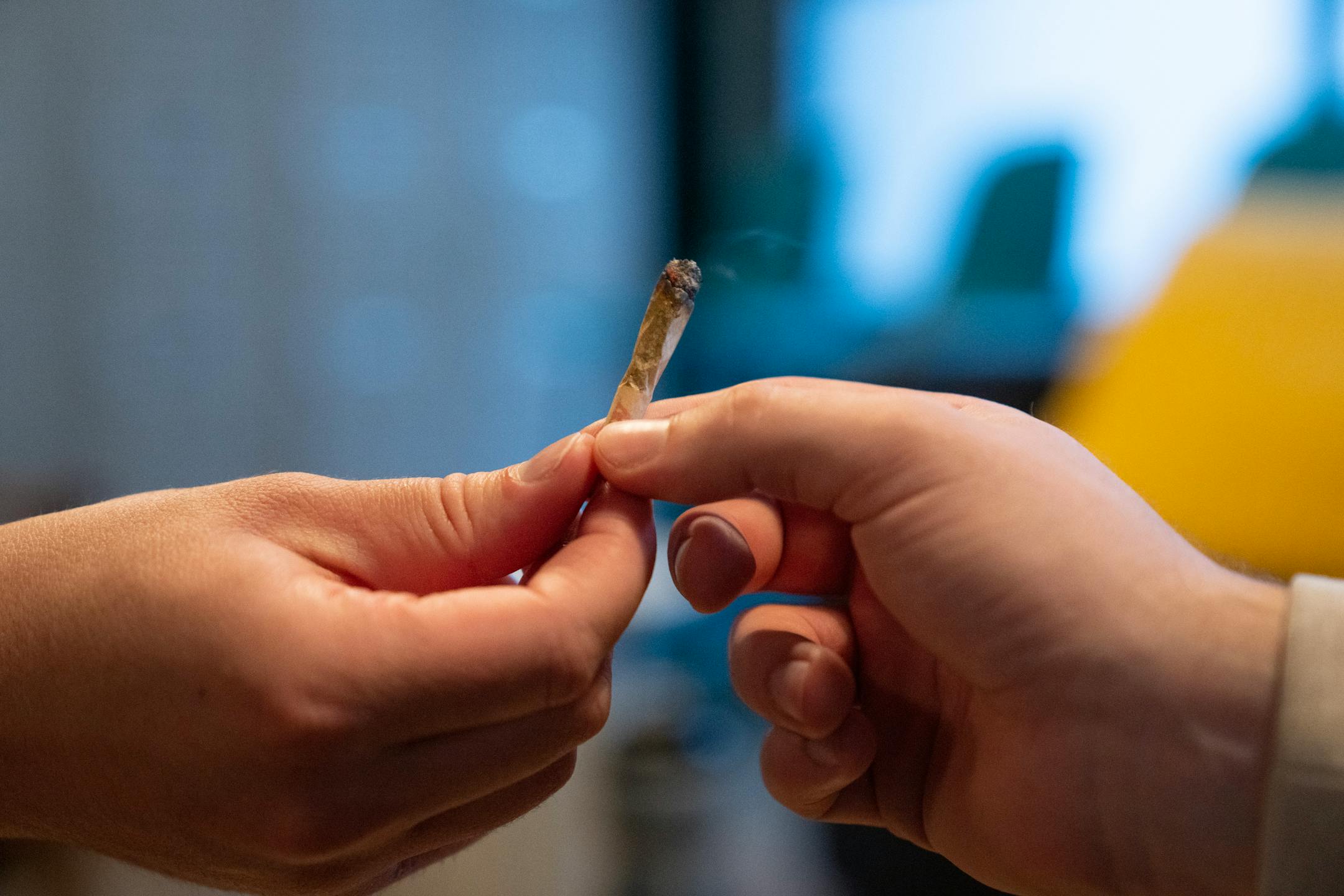
Two patrons pass a joint between each other in April 2023 at a cannabis smoking lounge in Hazel Park, Mich. (Alex Kormann/The Minnesota Star Tribune)

There doesn’t appear to be a consensus on which method of cannabis consumption is safest. Generally speaking, smoking and vaping bring respiratory risks, while edibles are easier to overconsume. But there are nuances to each method.

(Sign up for Nuggets, our free weekly email newsletter about legal cannabis in Minnesota.)

Smoking:

Cannabis smoke has many of the same toxins, irritants and carcinogens as tobacco smoke, according to the Centers for Disease Control (CDC), although it is unclear what effect cannabis smoke has on diseases such as lung cancer, emphysema and chronic obstructive pulmonary disease.

Cannabis smoke can lead to a greater risk of bronchitis, cough and mucus production, but those symptoms generally improve after quitting, the CDC said. The smoke can harm lung tissues and cause scarring and damage to small blood vessels.

However, people tend to smoke cannabis and tobacco differently, which also makes the comparison tricky, said Colin Planalp, a senior researcher at the University of Minnesota’s Cannabis Research Center.

A tobacco smoker may consume one or more cigarettes in a day, while a cannabis smoker is less likely to smoke an entire joint, he said. Cannabis users also are more likely to deeply inhale smoke and hold it in the lungs longer to increase absorption, which can be harmful.

Vaping:

Vaping is generally considered less harmful than smoking because it exposes the user to fewer toxic chemicals. And studies have shown that vaporization delivers THC more efficiently than smoking, producing a stronger effect, according to Vandrey at Johns Hopkins.

But vaping still comes with risks and unanswered questions.

Many concerns revolve around additives in THC cartridges. A 2019 outbreak linked to Vitamin E acetate found in vaping products resulted in about 2,800 hospitalizations and 68 deaths across the country, according to the CDC. Other chemicals may have played a role as well.

The effects of additives found in vaping cartridges are not yet well understood and won’t be for another 20 to 30 years, Vandrey said. But he emphasized that long-term exposure to e-cigarettes is associated with harm to lung health.

However, users interested in vaping can avoid additives by vaporizing cannabis flower instead. Still another thing to consider, Vandrey said, is that vaporizers have also been shown to cause exposure to toxic metals from degraded heating coils.

“The harm reduction of vaporizing flower will only be realized if the vaporizer itself is safe and well-engineered, and the flower put into it is free of contaminants,” he said.

Edibles:

Edibles offer a workaround for respiratory concerns, but they are easier to overconsume, especially for less experienced users, due to the delayed onset of effects.

The common scenario, Planalp said, is that a user will take a dose, and without waiting long enough for it to kick in, consume a second dose.

Too much THC can lead to dizziness, nausea, vomiting, anxiety, paranoia and increased heart rates and blood pressure, according to the Minnesota Department of Public Health.

While medical interventions are rare, a 2019 study funded by the Colorado Department of Public Health found that hospital admissions were disproportionately larger for users of edibles, compared with users who used inhalable products, based on product sales.

The magnitude of the effects can also vary depending on certain circumstances, Vandrey said. While alcohol will have a greater effect on an empty stomach, edibles on an empty stomach are poorly absorbed, he said. When taken with food in the belly, especially fatty foods, effects may come faster and stronger.

The presence of cannabidiol, or CBD, in edibles can also increase the effects of delta-9-tetrahydrocannabinol, or THC, the main ingredient in cannabis that produces a “high” sensation, according to a study from Johns Hopkins. Vandrey also noted that CBD at high doses can interact with other medications and produce unexpected side effects.

Newcomers should start slow

Edible cannabis products in a display case at Sweetleaves, a THC business that sells edibles, beverages and supplies, in Minneapolis. (Jeff Wheeler/The Minnesota Star Tribune)

For edibles, researchers generally recommend starting with no more than 2.5 milligrams of THC. For smoking, the Canadian Centre on Substance Use and Addiction recommends starting with a product containing no more than 10% THC content.

Users can work their way up from there. According to Vandrey, 2.5 milligrams is unlikely to cause impairment for an average healthy adult. Some may be impaired with 5. With 10, people generally feel high, but not impaired.

Impairment likely comes with more than 10 milligrams.

“A lot of the problems people have with cannabis products largely stem from using THC-dominant products at a higher dose than the person can tolerate,” Vandrey said.

Wait at least 4-6 hours to drive a car after smoking cannabis

People under the influence of cannabis experience slowed reactions, decreased coordination, distorted perception and difficulty making decisions, according to the CDC.

It is illegal to drive under the influence of cannabis. There is no legal limit to how much can be in your system, unlike with alcohol. If an officer observes and detects impairment, the offense is a DWI.

Many researchers suggest waiting at least four hours after smoking cannabis to drive a car or operate machinery. The Colorado Department of Public Health recommends at least six.

After consuming edibles, researchers recommend waiting eight to 12 hours.

The wait may need to be longer, depending on the size of the dose and the user’s tolerance, Vandrey said.

“If you feel high, you shouldn’t be driving, you shouldn’t be biking, you shouldn’t be operating machinery,” Planalp said.

Know how to recognize dependency

Recreational cannabis on display at NativeCare in Red Lake, Minn. (Aaron Lavinsky/The Minnesota Star Tribune)

Generally, daily or near-daily use of cannabis for non-medicinal purposes is associated with a high risk of cannabis use disorder, having difficulty stopping and experiencing withdrawal, Vandrey said.

According to the CDC, recent research estimates that three in 10 people who use cannabis have cannabis use disorder – defined as when people struggle to control their usage, even if it causes issues in their lives. That figure is rising.

The risk of developing the disorder is higher among youth and adolescents. Those with cannabis use disorder may need to use increasing amounts of the drug, or higher concentrations of it, to experience a “high,” which can increase other health risks, according to the CDC.

Research has shown that chronic use is associated with greater risk of heart attack, hypertension and other cardiovascular conditions, as well as problems with learning, memory and other cognitive functions.

Symptoms of dependency include irritability, nervousness, anxiety, restlessness, sleep issues, headaches, nausea and depression, according to the University of Michigan.

“As with any other drug of abuse, the more you use, both with respect to magnitude of acute dose and frequency of use, the greater the likelihood of experiencing problems,” Vandrey said.

about the writer

about the writer

Elliot Hughes

Reporter

Elliot Hughes is a general assignment reporter for the Star Tribune.

See Moreicon