Why Minnesota’s legal cannabis businesses may struggle to meet demand

Adult-use dispensaries and their customers are ready to buy and sell cannabis flower. But finding an adequate supply may be a challenge for some time.

The Minnesota Star Tribune
August 8, 2025 at 11:00AM
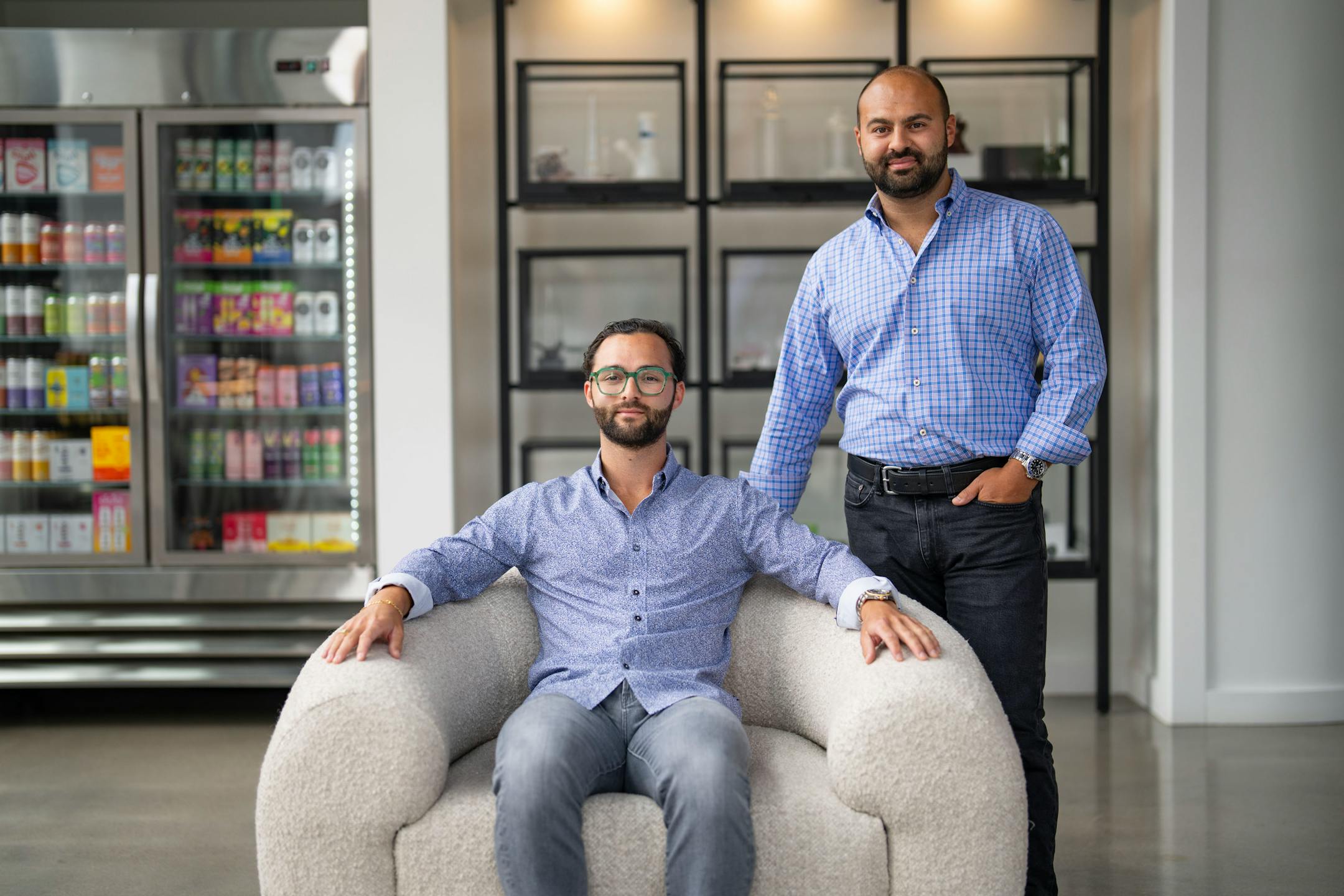
Adam and David Hoffman, co-founders and CEOs of Sweetleaves, at the facility in Minneapolis. (Alex Kormann/The Minnesota Star Tribune)

With floor-to-ceiling windows, minimalist display cases and Chappell Roan playing softly in the background, Sweetleaves feels more like a modern med spa than a cannabis dispensary. It reflects co-founder Adam Hoffman’s vision to destigmatize the drug.

The dispensary in Minneapolis’ North Loop is closing in on a license that will allow it to sell cannabis flower and other products for recreational use on top of its current offerings.

But as dispensaries in Duluth and Albert Lea vie to be the first non-tribal business to open its doors for adult-use consumers, industry experts and tribal leaders say product may be in short supply until the next calendar year. The White Earth Band of Chippewa’s cannabis company Waabigwan Mashkiki is currently the only fully operational legal source for recreational flower for state-licensed marijuana retailers in Minnesota.

“We just don’t have the product,” Jason Tarasek, a cannabis attorney, said to a room of lawyers and lobbyists last month at the annual Cannabis Law Conference in downtown Minneapolis. “We don’t have the infrastructure.”

So far, 11 microbusinesses, including five that will cultivate cannabis, have been licensed by the state, according to the Minnesota Office of Cannabis Management (OCM). Microbusinesses may grow, process and sell marijuana products on a relatively small scale, similar to a microbrewery.

(Sign up for Nuggets, our free weekly email newsletter about legal cannabis in Minnesota.)

The slow market rollout could soon speed up. Hoffman is one of more than 1,000 entrepreneurs with preliminary approval for microbusiness licenses who are trying to meet the demand for cannabis in Minnesota, which is projected to be a $1.2 to $1.3 billion market by 2028, according to Genevieve Meehan, director of regulatory compliance at cannabis law firm Vicente LLP.
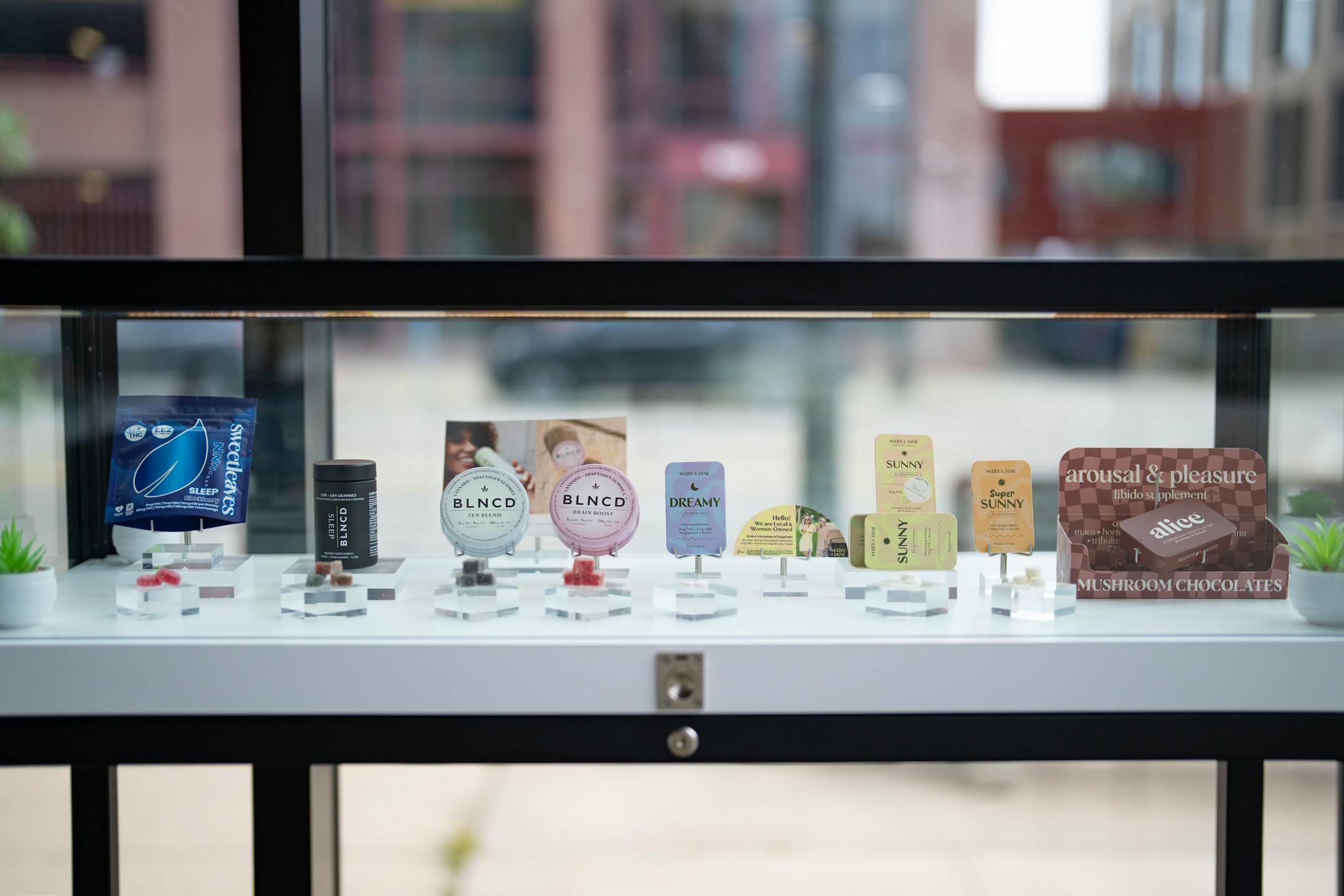
Products for sale are on display at Sweetleaves. (Alex Kormann/The Minnesota Star Tribune)

Cultivating a cannabis market

The development of the state’s adult-use market hinges on both regulatory requirements and logistical realities.

Because Minnesota dispensaries can only sell adult-use cannabis grown within the state, businesses will need to look within state borders as they develop a supply chain.

But it will likely be a while before the five non-tribal cultivators have product ready.

It takes at least 80 to 90 days to grow and harvest a cannabis plant. So that’s the shortest timeline possible, said Michael Mayes, CEO of cannabis consulting firm Quantum 9.

But Mayes said it’s likely to be much longer, as businesses face a number of regulatory hurdles in the coming months. Two parts of the process that could cause delays are how quickly regulators can perform facility inspections and how quickly cannabis products can be tested for potency and potential contaminants before being packaged for sale.

Preston Torres is the CEO of Concentrate Labs, which recently received a microbusiness license to operate Roots & Resin Farm, an outdoor cannabis growing operation.

He said that because he plans to cultivate cannabis outdoors, he pushed to get a license quickly and get plants in the ground. Now, he is expecting to have product available by the end of September or early October.

But that’s unlikely to be the norm, he said.

“We’re definitely going to be ahead of the curve,” Torres said. “A lot of people have to set up their whole grow facility. Especially if they’re just getting started right now, it’s going to be quite a while for indoor growers to have the crop where they want it.”

Tribal nations, on the other hand, have had a head start on cultivation. Currently, the White Earth Band of Chippewa is the only tribe with a compact that allows it to sell wholesale cannabis to non-tribal businesses.

But White Earth is still working to put a system in place to sell to non-tribal dispensaries, said Zach Wilson, CEO of Waabigwan Mashkiki.

And even when that system is set up, it’ll be first-come, first-served; the tribe has its own dispensaries to stock, and White Earth doesn’t want to overpromise.

“Over-promise and under-deliver is the worst thing you can do as a business,” Wilson said. “We’re trying to be as transparent and honest as we can about our supply and what we can and cannot do.”

It’s an early wrinkle for non-tribal dispensaries like Legacy Cannabis in Duluth, which is ready to open — right down to a license from the city posted on the wall — said owner Josh Wilken-Simon.

Tarasek said he is most worried about the lack of testing labs in the state, which could create a bottleneck for the market. He said there are eight labs “in the pipeline.”

Eric Taubel, interim director of the OCM, said during his keynote speech at the July 31 Cannabis Law Conference in Minneapolis that he expects a “more realized model of the market” to be in place in early 2026.

“There are some cultivators who I know have facilities lined up and are waiting to get the license and the local approval,” he said. “There are some cultivators who have no idea where they’re going to go.”

For now, Hoffman, the Sweetleaves co-founder, plans to source flower from a tribal business and aims to stock pre-rolls, vapes, dab pens, and some bulk flower. But he’s also eager for more cultivators and greater product diversity as the industry expands.

High demand, low supply

Sweetleaves has been open since March 2025. The dispensary employs five “budtenders,” but they plan to close briefly to train 10 to 15 new staff and expand product displays once the license is finalized.

Hoffman is particularly anxious to begin selling cannabis flower, which customers have been requesting for over a year. The final steps before receiving a full license include permit approval from the City of Minneapolis and a state inspection.

“They won’t give you your license number until you pass your state inspection, so we are waiting on one more permit to get approved — and then we can get our inspection scheduled, then hopefully our license number, then hopefully selling,” he said.

Mayes warned that it will take the industry a while to reach equilibrium after flower becomes available for adult use. Prices will likely see an initial surge as the public clamors for a small amount of product, and then come down as more licenses are issued.

For now, many are just focused on opening doors and filling shelves.

“The consumers are ready,” Tarasek said. “They’re ready to start visiting dispensaries, and I don’t know what we’re going to have on the shelves for them once dispensaries start opening.”

Adam Hoffman, co-founder and CEO of Sweetleaves. (Alex Kormann/The Minnesota Star Tribune)

Christa Lawler of the Minnesota Star Tribune contributed to this story.

about the writers

about the writers

Emmy Martin

Business Intern

Emmy Martin is the business reporting intern at the Minnesota Star Tribune.

See Moreicon

Anna Sago

Intern

Anna Sago is an intern for the Minnesota Star Tribune on the Today Desk.

See Moreicon

More from Cannabis

See More
card image
Alex Kormann/The Minnesota Star Tribune

Don’t panic, THC makers and sellers say, as federal prohibition of the popular hemp drinks is still a year off and will be fought.

card image
card image