

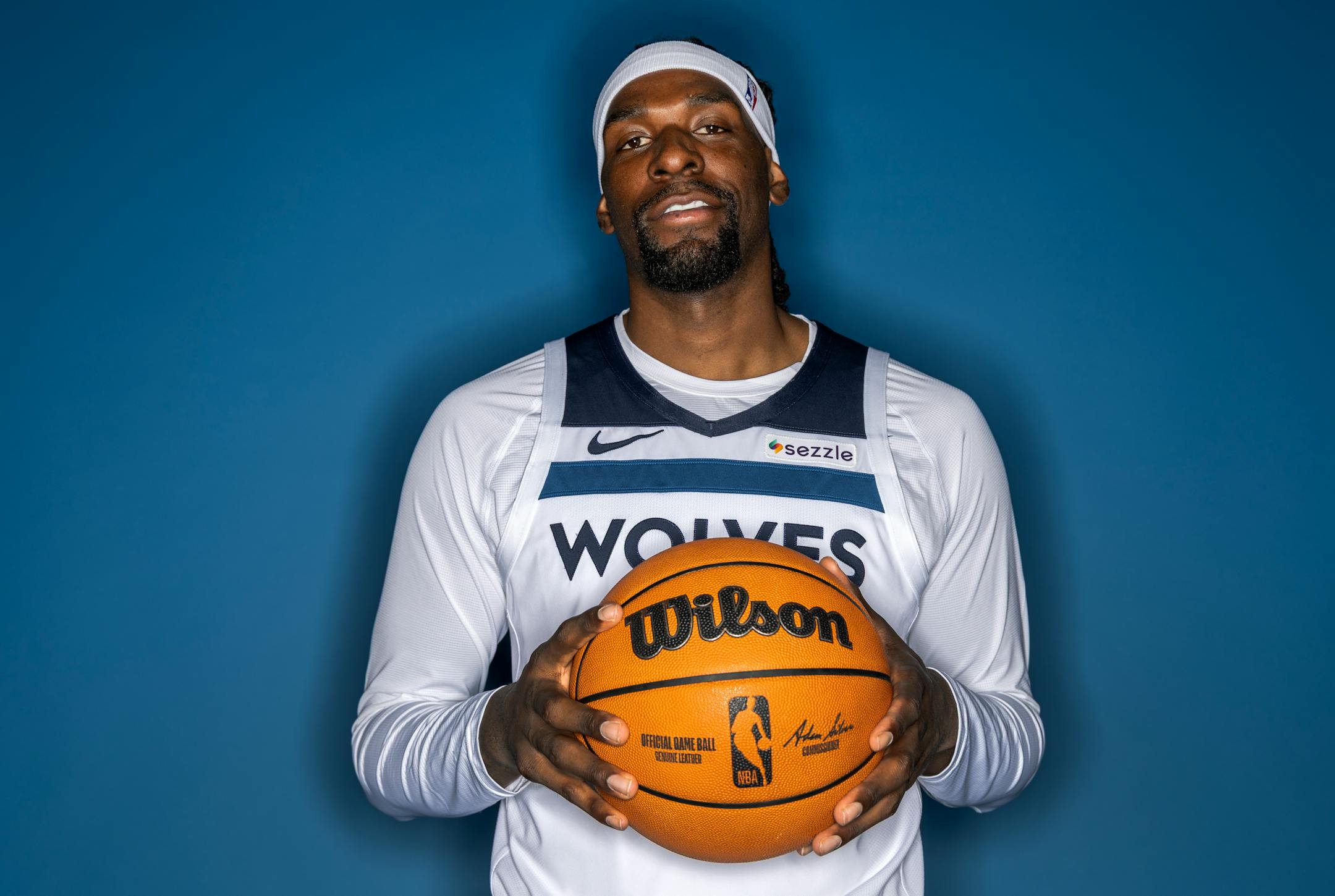
PORTLAND, Ore. − There are a lot of familiar faces on the Timberwolves this season — they return seven of their top eight rotation players from last year — but there is still uncertainty for the future of the franchise.
Just how good will they be? Did last season’s team hit its ceiling? How much room is there for their core players to improve? How long will it take the younger players to grow?
As a guide to some of those questions, here are a few keys to the Wolves’ season:
A recommitment to defense
The Wolves had the sixth-best defensive rating in the NBA a season ago. A lot of teams would take that, but for the Wolves it was backsliding on the No. 1 defense they had two seasons ago.
If there’s a player who controls the fate of the team’s defense in his hands, it’s likely Anthony Edwards. An engaged Edwards on that end of the floor could set a tone for the entire team. If he’s inconsistent, the defense will still likely be very good, just not at the elite level that it could be.
Dillingham’s development
The Wolves could still end up back in the Western Conference finals, but if they do so without Rob Dillingham being a part of the rotation by season’s end, it will feel pyrrhic, because his development is one of the keys to the team’s future at point guard.
Flip that around and say the Wolves might not make it as far as they did last season, but Dillingham makes significant progress in Year 2, and the season will be a success in that way. Just how much leeway he gets to run the show, make decisions, screw up and learn from those mistakes is one of the biggest questions when it comes to coach Chris Finch’s rotation for the duration of the season.
Dillingham has skills this team needs — the ability to play with pace and drive the lane among them. The Wolves likely have to find ways to compensate for his defense, but if they can, he can be a boost to them at the other end of the floor.


