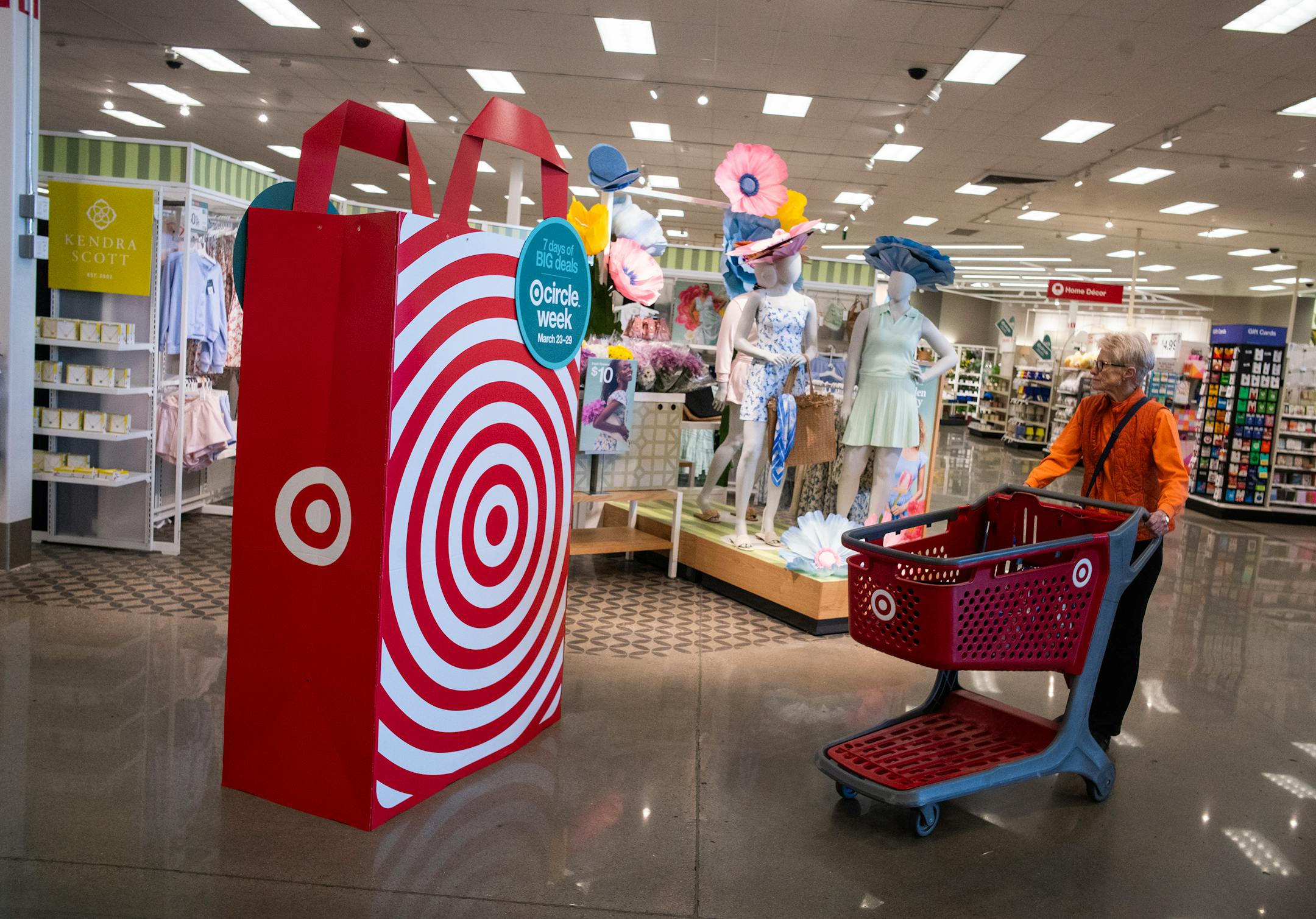
Brian Cornell opened Target’s earnings call last week by listing his accomplishments as CEO and taking responsibility for the company’s current woes.
Then, in a pass-the-baton moment, he turned the mic over to his successor, company veteran Michael Fiddelke, who laid out the early details of his turnaround plan: an extra $1 billion to remodel and rearrange stores, revamp merchandise and leverage technology.
Fiddelke’s message on Wednesday was the clearest acknowledgment yet that Target had lost the edge that once prompted cultural nicknames like “Tar-jay” and carried it through storied pandemic-era growth.
“We are confident we are on the right path,” he said.
But the finer details won’t be divulged until March, leaving some analysts wondering if Target is moving quickly enough as Walmart, Amazon, Costco and fast-fashion rivals like Shein and Temu continue to grab market share.
The day after Target reported a nearly 20% drop in profits and continued declines in sales, Walmart took the stage and announced the opposite.
“While laying the groundwork for a recovery, we continue to look for more aggressive and disruptive action from new senior leadership,” wrote Mizuho analyst David Bellinger in a post-earnings note.
A tougher competitive landscape
Walmart said Thursday it would move its stock from the New York Stock Exchange to Nasdaq, joining the likes of Amazon, Nvidia and Microsoft, and sending out another signal it has become a global online enterprise, putting it in a lane apart from Target.