Primp Boutique, known for curated, affordable women’s clothing, closes its doors

The locally owned boutique ended its 15-year run Tuesday after a year of uncertainty as middle-income shoppers pulled back amid rising financial pressure. A truly bad Small Business Saturday was the final straw.

The Minnesota Star Tribune
December 18, 2025 at 5:49PM
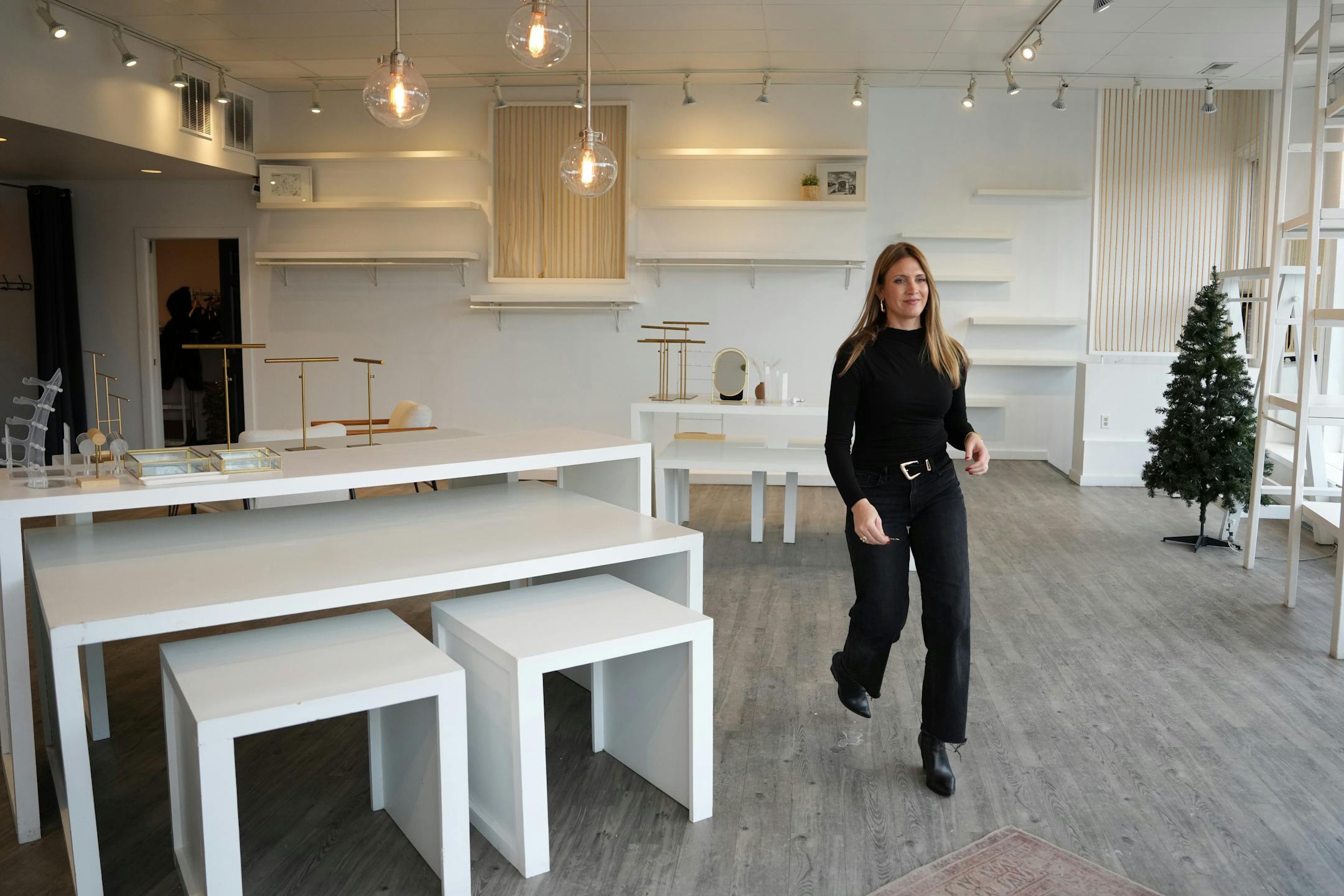
Wesley Uthus, co-founder and owner of Primp Boutique, posted a series of images on Instagram urging shoppers to support small businesses, referencing "You've Got Mail," in which Meg Ryan’s character runs an independent bookstore that closes after a big chain moves in nearby. “I posted that and just said, ‘If that scene made you cry or shed a tear, this is what is happening to small businesses all around us,’” she said. (Anthony Soufflé/The Minnesota Star Tribune)

After announcing on Instagram plans to close for good two days before Christmas, Primp Boutique saw customers show up in outsized fashion, clearing nearly all remaining inventory within three days.

But the surge came a few weekends too late.

Owner Wesley Uthus decided to shutter the local retailer’s remaining stores after a disappointing Small Business Saturday.

That same weekend, she posted a series of images on Instagram urging shoppers to support small businesses, referencing the romantic comedy “You’ve Got Mail,” in which Meg Ryan’s character runs an independent bookstore that closes after a big chain moves in nearby.

“I posted that and just said, ‘If that scene made you cry or shed a tear, this is what is happening to small businesses all around us,’” Uthus said.
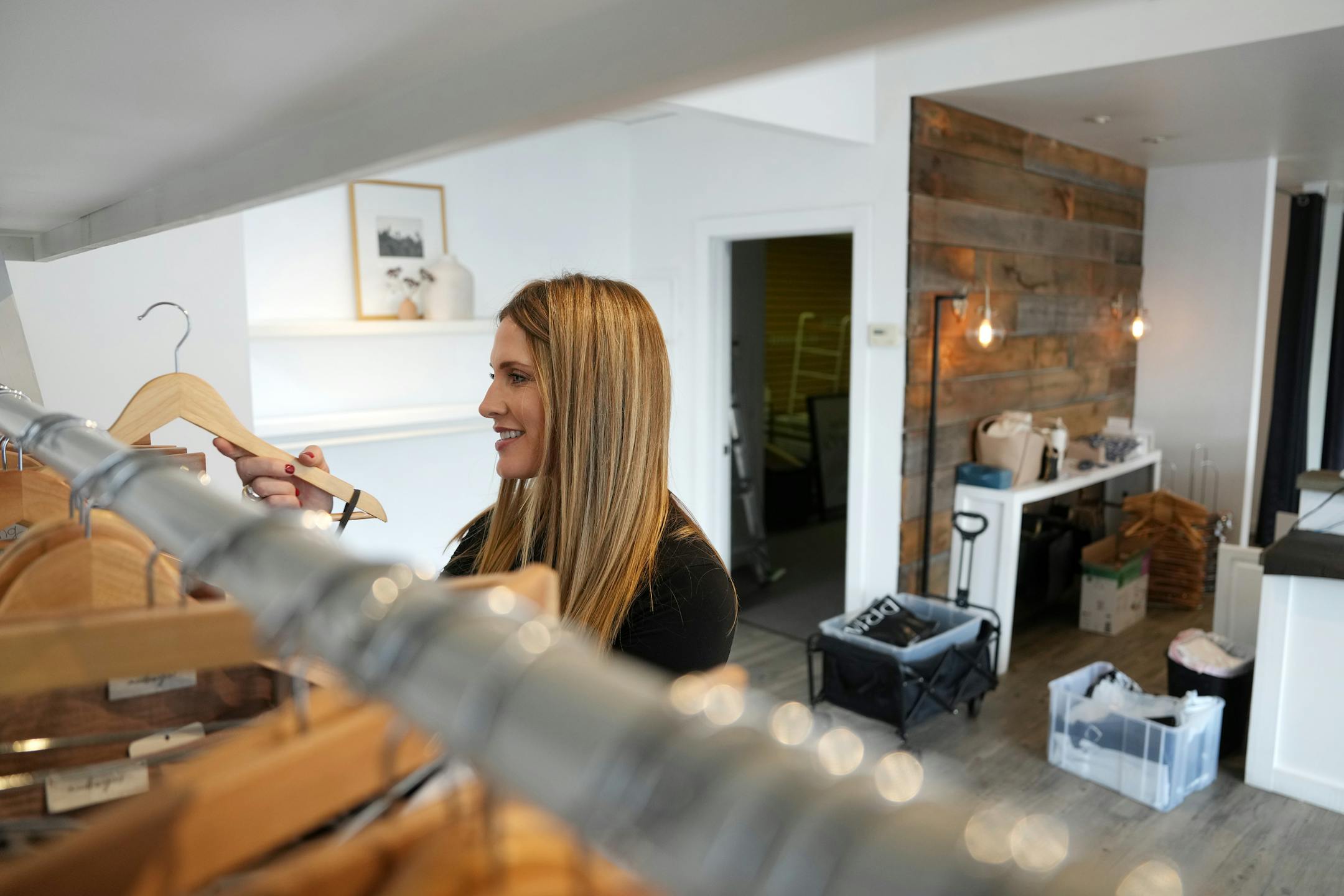
Primp was Wesley Uthus’ first foray into business ownership. She didn’t come from a family of small-business owners but knew it was something she wanted to pursue and will likely return to after a short break. (Anthony Souffle/The Minnesota Star Tribune)

But she doesn’t fault consumers — she knows the retail landscape and the financial pressures shoppers face have changed drastically in the past year.

Analysts have pointed to signs of a K-shaped economy, in which wealthier Americans continue to splurge while middle- and lower-income consumers pull back or delay purchases. Those households have been hit the hardest by rising costs for essentials, while higher-income Americans have benefited from stock market gains and rising home values.

Analysts and investors are predicting a rocky year next year with the stock market, though the market will grow by the end of the year.
A recent JPMorgan cost-of-living survey found income level to be a key factor shaping Americans’ views of the economy, and Moody’s found that the top 20% of earners now make up over half of consumer spending.

“I was in the stores that weekend, listening to people, and I just felt like we’re not serving her anymore,” Uthus said. “It’s really hard to be in retail at a nonluxury price point right now.”

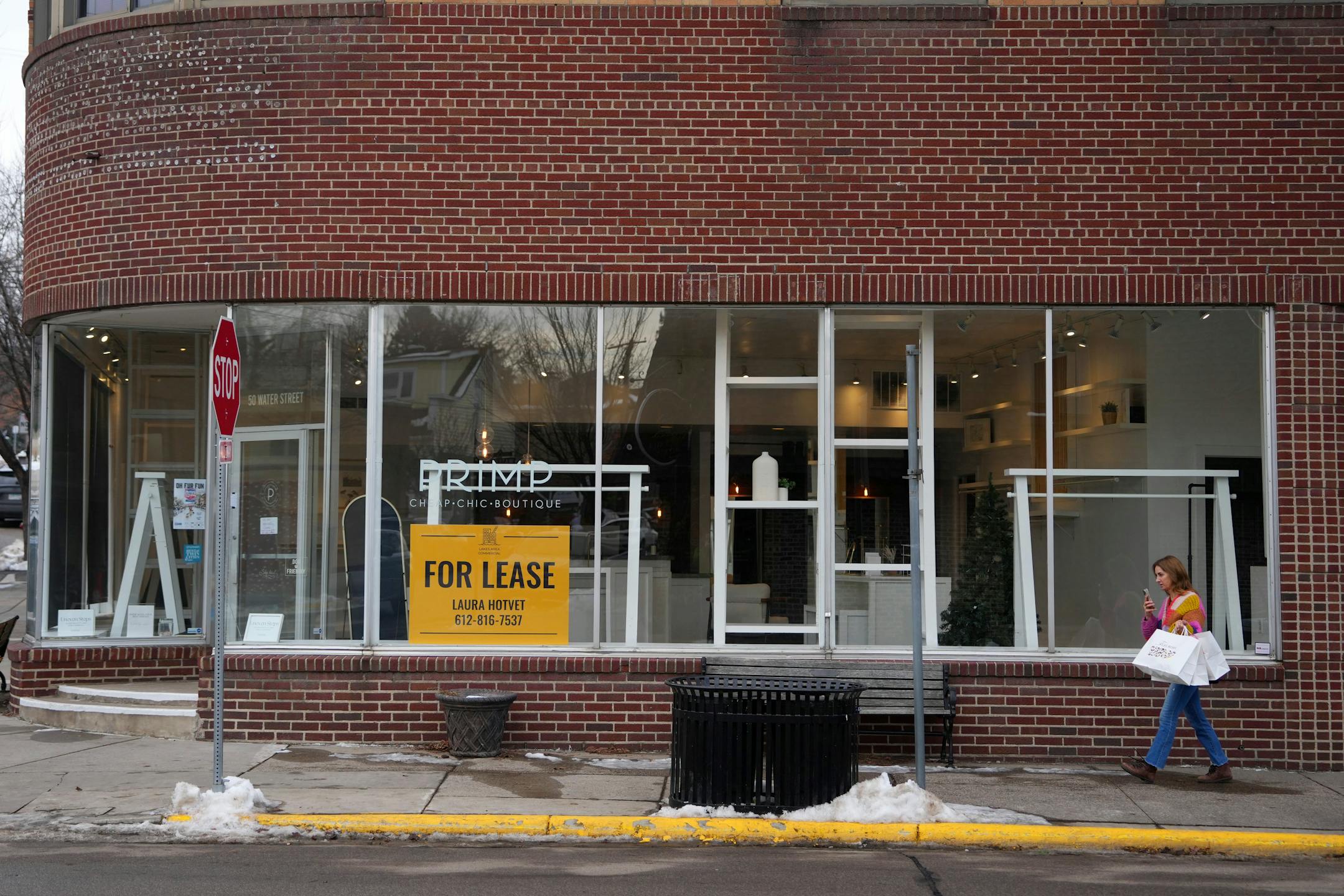
Before making the decision to shutters its doors, Primp began scaling back by closing locations in Fargo and south Minneapolis. The local boutique shut down its website Dec. 16, a week before it initially planned to close because shoppers purchased nearly all Primp's remaining inventory. (Anthony Souffle/The Minnesota Star Tribune)

Uthus co-founded Primp with Michele Henry in 2010, hoping to strike a balance between affordable and stylish clothing in a boutique setting. The first store opened in St. Paul’s Cathedral Hill neighborhood.

But it had become clear in recent months that Primp’s business model — which operated nine stores at its peak — was no longer sustainable. The Fargo and south Minneapolis locations closed this fall, leaving four stores across the metro and one in Sioux Falls. Uthus announced the boutique’s closure Dec. 10 in the Instagram post.

She considered pivoting the boutique’s inventory to cater to a luxury segment but said that would have priced out many of Primp’s existing customers who were already feeling the pinch.

“It wasn’t for a lack of trying,” Uthus said. “We tried changing our hours and bringing in less inventory, but the price point was just getting too high.”

That shift would have also meant diluting the promise Primp had built its brand on. Uthus said small businesses can’t compete with large retailers on price or efficiency, making it all the more important, she said, to stay true to the boutique’s values.

Still, Uthus had noticed consumer habits changing in recent years, with many shoppers opting for convenience over customer service.

Large retailers such as Target have rolled out options like drive-up and in-store pickup, while even more offer delivery in two days or less. Walmart is also testing drone delivery in select markets, promising to deliver orders to shoppers’ doors in about 30 minutes.

Those pressures intensified this year as price became an even greater deciding factor for shoppers and changing tariff policies pushed vendors to pass along higher costs. Small retailers like Primp often don’t have the same negotiating power as big-box chains to absorb those increases.

Big-box chains have also pointed to signs of a more cautious consumer. Best Buy and Home Depot recently said sales declined in home appliance and home improvement categories, while Target said shoppers are rethinking how they spend during the holidays.

The latest Consumer Price Index for November was below what economists had expected at 2.7%. But Federal Reserve Chair Jerome Powell said the most recent figures should be viewed with a “skeptical eye” because they may have been affected by a lack of data collected during the government shutdown.

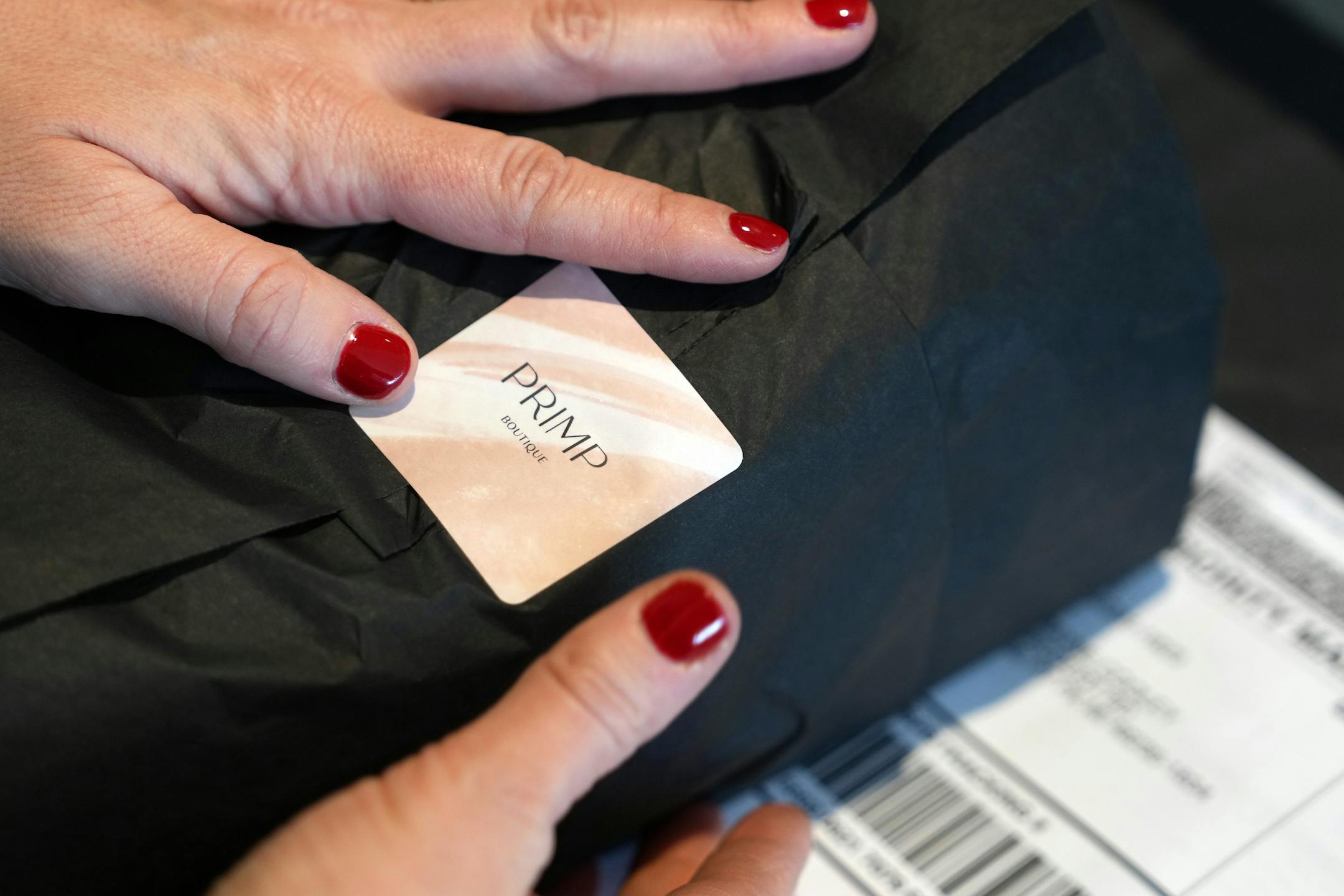
Uthus packs the last of the online orders Dec. 17 after closing her four stores for the last time. Increasing inventory and labor costs made the boutique's cheap chic model unsustainable as lower- and middle-income shoppers pulled back on purchases. (Anthony Souffle/The Minnesota Star Tribune)

The K-shaped trend economists have pointed to is also starting to surface between small and large businesses. Uthus said increasing labor costs made the retailer’s thin margins that much slimmer.

In November’s employment report by ADP Research, companies with fewer than 50 employees shed 120,000 jobs, the largest one-month decline since May 2020. Those with 500 or more employees added nearly 40,000 positions.

Primp was Uthus’ first foray into business ownership. She didn’t come from a family of small-business owners but knew it was something she wanted to pursue. She opened Primp shortly after graduating from the University of Minnesota with a degree in clothing design.

The closure also marked her first time navigating the end of a business. What began as a single store had grown to four locations with dozens of employees. Uthus said she felt there was a “right way” to do it that honored both her staff and customers instead of waiting until the business could no longer be salvaged.

“It’s always personal when it’s small business. You think people are going to be mad when you say you’re closing,” Uthus said. “Primp is like a limb to me.”

about the writer

about the writer

Carson Hartzog

Retail reporter

Carson Hartzog is a business reporter covering Target, Best Buy and the various malls.

See Moreicon

More from Retail

See More
card image
Anthony Soufflé/The Minnesota Star Tribune

The locally owned boutique ended its 15-year run Tuesday after a year of uncertainty as middle-income shoppers pulled back amid rising financial pressure. A truly bad Small Business Saturday was the final straw.

card image