Target backs off online order fulfillment at some stores to boost in-person experience

Chicago-area stores tested the change ahead of a broader rollout for the Minneapolis-based retailer, which is struggling to compete with Walmart.

The Minnesota Star Tribune
August 22, 2025 at 6:57PM
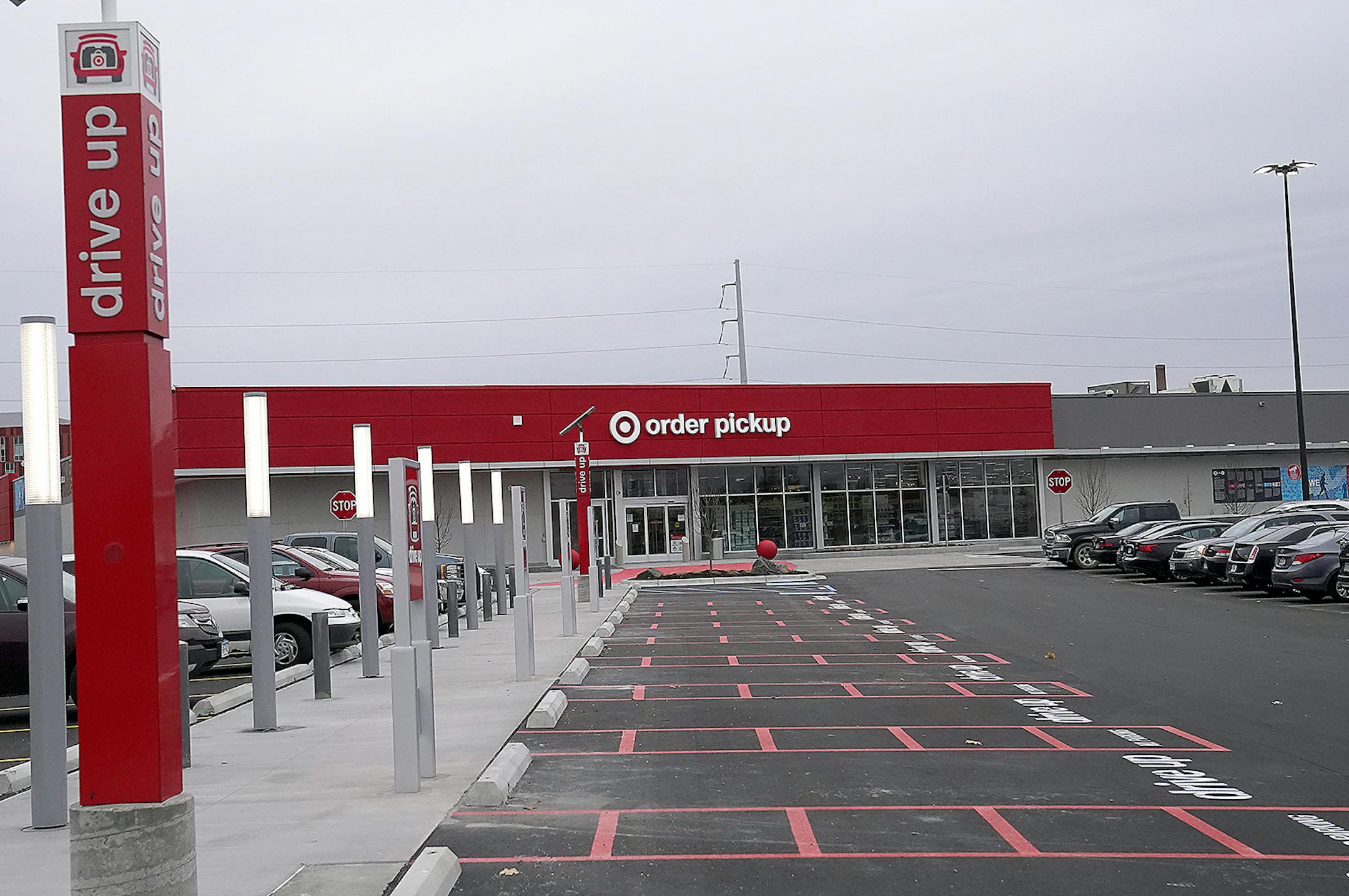
Target on Lake Street in Minneapolis. Its "drive up" service is booming. It allows customers to order over a smartphone and drive to the store once all the products are collected into one cart.
Target on Lake Street in Minneapolis in 2020. The retailer is rebalancing which stores fulfill all digital orders, including boxed deliveries, and which will focus solely on the drive-up and pick-up business in addition to in-store shopping. (Kevin Martin/The Minnesota Star Tribune)

Target is revising a strategy to fulfill almost all digital orders from its stores, part of the incoming CEO’s strategy to improve in-store experiences for shoppers.

For nearly a decade, the Minneapolis-based retailer has built stores around the ability to pack and ship digital orders alongside in-store purchases. That includes online orders for local pick-up as well as deliveries.

The result has been a major boost in digital sales, but sometimes at the expense of on-shelf availability and worker strain.

“You’re juggling that digital business growth and working every day to maintain a great in-store experience,” Chief Operating Officer Michael Fiddelke told analysts on a conference call earlier this week. “And you’ve heard me say from the start of the year, bringing more consistency to that in-store experience is a key priority of ours.”

Target’s earnings report this week included this digital re-orienting as well as the announcement Fiddelke would become CEO when Brian Cornell steps down in February.

Target first tested the online pullback at a few stores in Chicago this year. Now it plans to stop fulfilling online orders with in-store inventory and staff members at stores in 30 to 40 more markets also this year, Fiddelke said.

“We might say, ‘Actually, shut your pack station down and sit this one out’ because that allows you to focus exclusively on the drive-up business,” he said. “Or, importantly, the in-store experience in a store.”

The company didn’t immediately specify Friday which additional stores, including any in Minnesota, would see the digital fulfillment change.

Since 2017, Target has built a “stores as hubs” business model that reduces the need for an expensive network of warehouses. That has kept costs low and boosted profits for digital sales, Fiddelke said, as the company constructed or remodeled stores with the digital hub in mind.

“Some stores are built to fulfill,” Fiddelke said. “They’ve got a big back room. We can put a lot of pack stations in the back. They’ve got a manageable level of an in-store business, and they can support that digital demand in a market super well.”

That has apparently not been the case at every location.

Target is keen to revive its brand proposition and excite its customers about the shopping experience as its sales continue to decline. And as competitor Walmart continues to lure more higher-income consumers alongside its usual budget-conscious crowd.

“Changing how we focus our store teams can help us make progress on a bunch of fronts,” Fiddelke said.

about the writer

about the writer

Brooks Johnson

Business Reporter

Brooks Johnson is a business reporter covering Minnesota’s food industry, agribusinesses and 3M.

See Moreicon

More from Retail

See More
card image
Jeff Wheeler/The Minnesota Star Tribune

Through an unique network where fashion meets sports, brands showcase shoes through trendy teen athletes and their social media circles.

card image
card image