

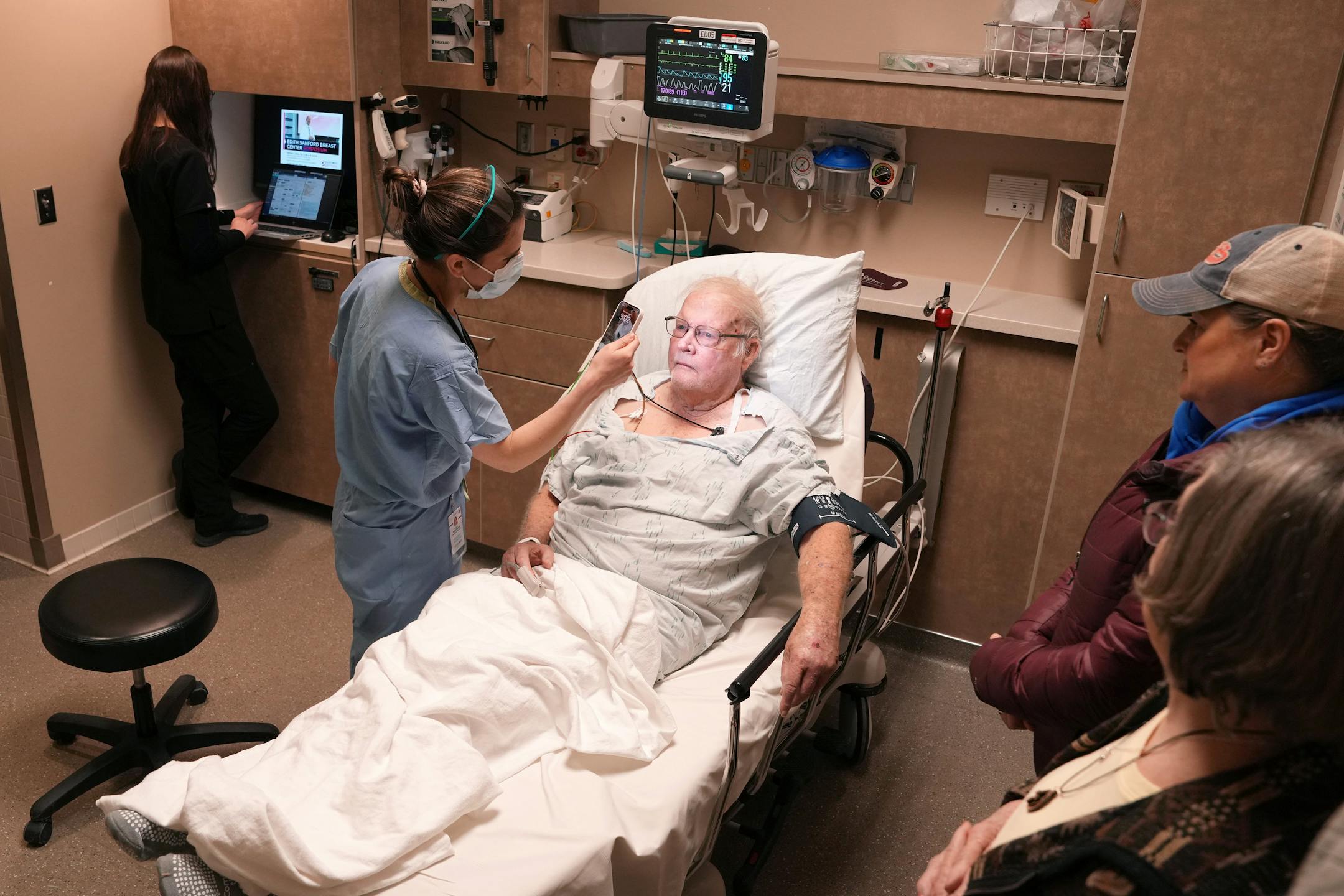
Fearing political reprisals from President Donald Trump’s administration, Minnesota leaders were relieved late last month when they received almost all of the $200 million in federal grants they requested to boost rural health care in the state in 2026.
Now they have precious few months to invest the $193 million in areas such as telehealth and rural training and show progress before the 2027 funding application deadline hits this summer. The Minnesota Department of Health (MDH) is adjusting its health goals based on the actual award and soon will court hospitals, clinics, public health agencies and tribes to use the money and prove it makes a difference.
“There are big financial changes coming in health care, especially rural health care,” said Zora Radosevich, director of MDH’s Office of Rural Health and Primary Care. “We’re excited by the opportunity to better prepare for that and get our rural health facilities and providers as prepared as they can be.”
One analysis found Democrat governor-led states received less of the discretionary funding. But at a time when the Trump administration is hammering Minnesota for allegedly fraudulent use of social service dollars, state health leaders worried Minnesota’s application would suffer.
An amount just $7 million shy of the requested total was a “pleasant surprise,” said Diane Rydrych, director of MDH’s health policy division.
Rural health care providers were already struggling with funding and worker shortages before Congress and the Trump administration approved a budget in 2025 that could strip as much as $1 trillion from Medicaid in the next decade.
The publicly subsidized health plan for people with disabilities or low incomes has become a growing source of health insurance in Minnesota, especially in rural areas. Medicaid covers about one in four residents under Medical Assistance in Minnesota or MinnesotaCare.
To gain Congressional support for the cuts, the Trump administration created a five-year, $50 billion rural health grant program — with the caveat that states needed to invest the money in new solutions rather than keeping the lights on at struggling hospitals and clinics.


![Dr. Michael Joyner talks with a colleague in the lab. ] LEILA NAVIDI • leila.navidi@startribune.com BACKGROUND INFORMATION: Dr. Michael Joyner conducts a study simulating less oxygen in the blood and it's effects on a left shift patient in the Human Physiology Research Lab at the Mayo Clinic Hospital, Saint Marys Campus in Rochester on Monday, June 4, 2018. Dr. Joyner is a Mayo Clinic expert on the limits of human performance and has written extensively on elite athletic performance.](https://arc.stimg.co/startribunemedia/CRCPNC4U6CPUOW4UX22O6YV5BM.jpg?&w=436&ar=3:2&fit=crop)

