
Hennepin County medical center to stop accepting most out-of-county patient transfers

HCMC says it will slim down to 390 staffed beds by limiting patient transfers from hospitals outside Hennepin County.

The Minnesota Star Tribune
February 13, 2026 at 12:00PM
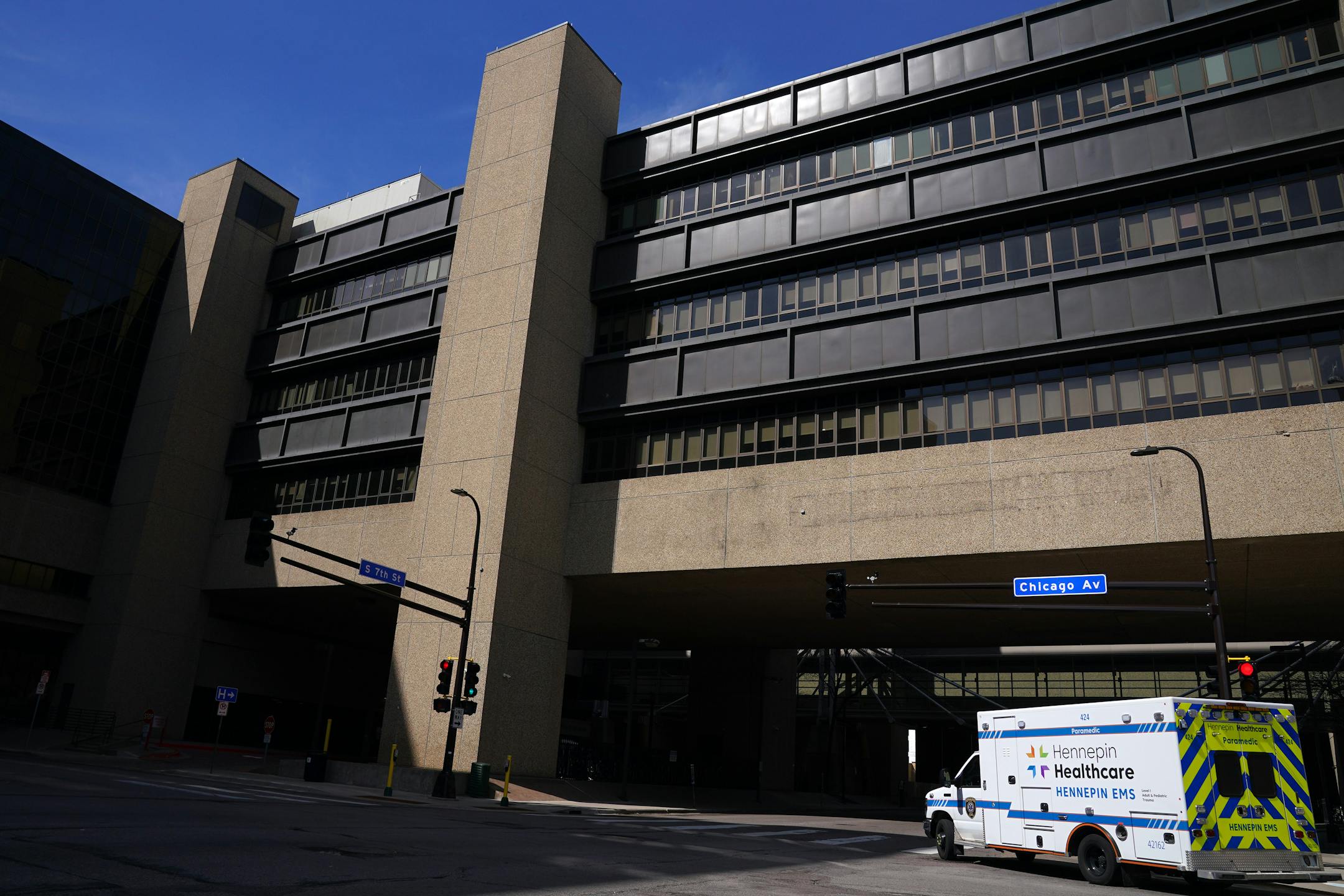
An ambulance arriving at HCMC in Minneapolis in 2020. To cut costs, Hennepin Healthcare announced Feb. 11 it would begin lowering the hospital's volume of patients by limiting transfers via ambulance from hospitals outside Hennepin County. (Anthony Soufflé/The Minnesota Star Tribune)

HCMC will stop receiving many patients who otherwise would be transferred from hospitals outside Hennepin County as the public health system tries to meet a new cost-cutting goal by staffing fewer beds.

The reduction in transfers means that, as regular discharges occur over the next few days, there will be fewer new patients to take their place and the Minneapolis hospital’s overall volume can be reduced, hospital officials say.

The change is being driven by an urgent need for the large safety-net hospital to cut $50 million in expenses by the end of March.

“Health systems start losing money prolifically when their bed census gets too high — you’d think it’d be the opposite," said Dr. J. Kevin Croston, the interim co-administrator at Hennepin Healthcare, in an interview Thursday, Feb. 12.

Hennepin Healthcare runs HCMC, formerly known as Hennepin County Medical Center, plus a number of affiliated clinics.

Whereas HCMC typically has had enough staff to care for patients in anywhere from 420 to 440 inpatient beds at a time, the new goal is to staff no more than 390 beds.

That’s about 100 beds fewer than the hospital’s count of 490 total available beds, although it’s rare for HCMC to operate with that many patients, Croston said.

Lowering the staffed bed count saves money by reducing HCMC’s need to pay higher salaries for temporary nurses and/or overtime to regular staffers.

Even with the changes, which were announced to staff on Wednesday, the medical center will continue accepting transfers from out-of-county hospitals for core services such as HCMC’s trauma program and burn units. The hospital also is focused on bolstering its programs in pediatrics, hyperbaric medicine, care for stroke patients and technology for patients with severe heart and lung failure.

“We can’t take non-core patients outside of Hennepin County anymore,” said Croston, who previously served as CEO at Robbinsdale-based North Memorial Health.

HCMC, which is Minnesota’s 12th-largest hospital in terms of admissions, is known for providing care to an unusually large share of lower-income patients.

To bolster its finances, the taxpayer-supported health system announced last month plans for cutting 100 jobs along with several medical services. Hennepin Healthcare has lost money on operations for several years, and the financial challenges prompted the Hennepin County Board last year to re-take control of operations from a community board of directors.

Beyond the cost-cutting, Hennepin County is turning to the Legislature for help funding the health system by extending and repurposing a sales tax that currently pays for Target Field’s construction debt.

For the past two years, county officials have sought authority from state lawmakers to continue collecting the 0.15% tax, which raises about $55 million a year, after the stadium debt is repaid. Much of the revenue would fund health care access, operations and facilities, including Hennepin Healthcare.

At HCMC, the changes announced this week likely won’t be permanent, Croston said.

And they won’t alter the hospital’s commitment to care for patients without regard to the type of health insurance coverage they have or whether they are uninsured, he said.

By filtering patients based on geography, the new policy could screen out some from greater Minnesota with employer-based coverage that provides higher payment rates to the hospital. That would compound one of HCMC’s long-standing financial problems, since the hospital treats a high share of patients with government-funded health plans that provide lower reimbursements.

But lowering the overall patient census, Croston said, makes it easier to balance expenses with revenue.

“Health care is a weird entity,” he said. “You only make money in about three or four areas, and the rest of them you hope to break even or not lose too much. [It’s] in those areas we just can’t afford to take more of that burden on for the state.”

about the writer

about the writer

Christopher Snowbeck

Reporter

Christopher Snowbeck covers health insurers, including Minnetonka-based UnitedHealth Group, and the business of running hospitals and clinics.

See Moreicon

More from Health Care

See More
card image
Anthony Soufflé/The Minnesota Star Tribune

HCMC says it will slim down to 390 staffed beds by limiting patient transfers from hospitals outside Hennepin County.

card image
Hennepin Healthcare Clinic and Specialty Center,l 8th Street between Park Av and Chicago Av.