Sign up here to follow this column by email.
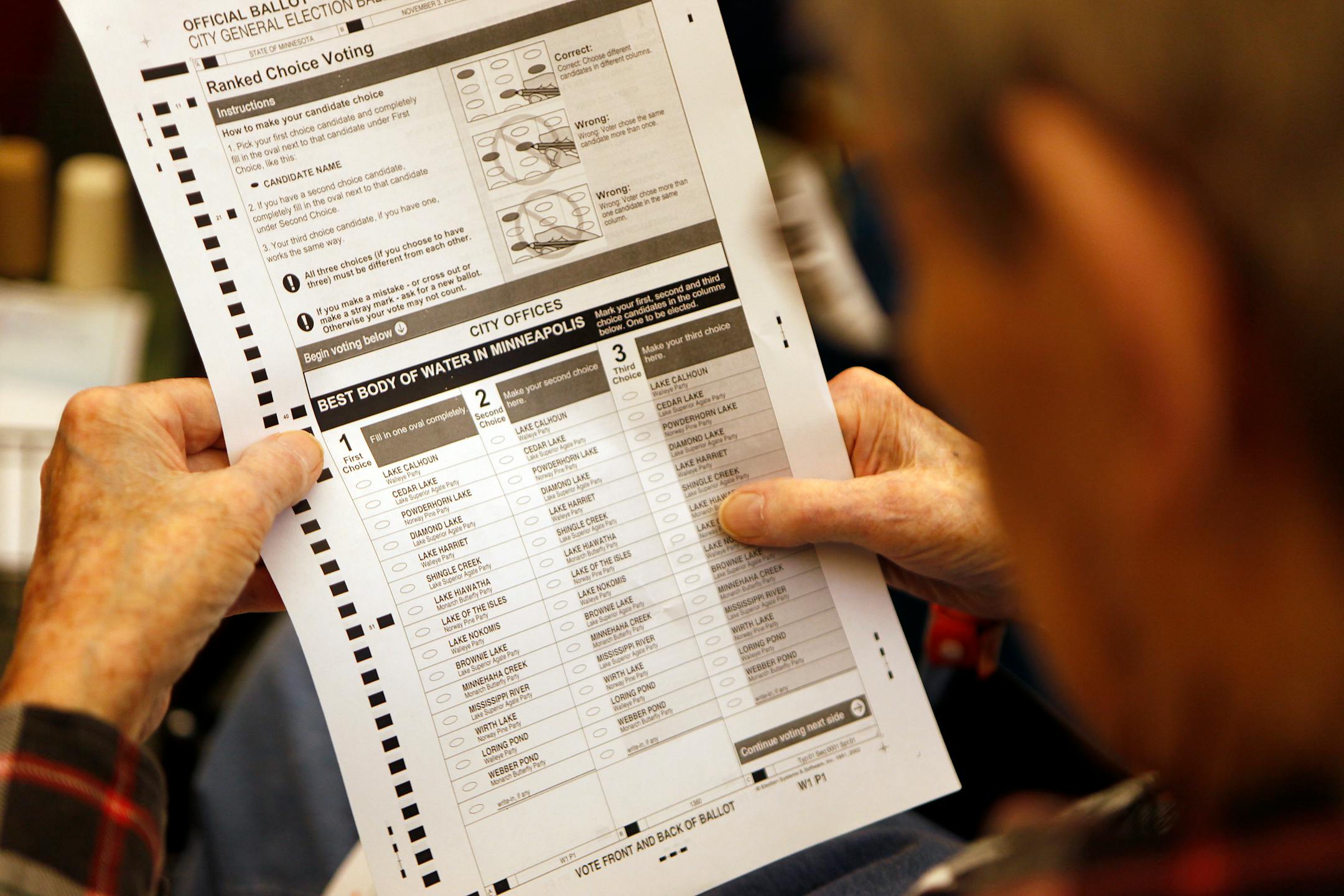
I feel a bit anxious ahead of a significant Minneapolis election on Tuesday. But one thing is putting me at ease: ranked-choice voting.
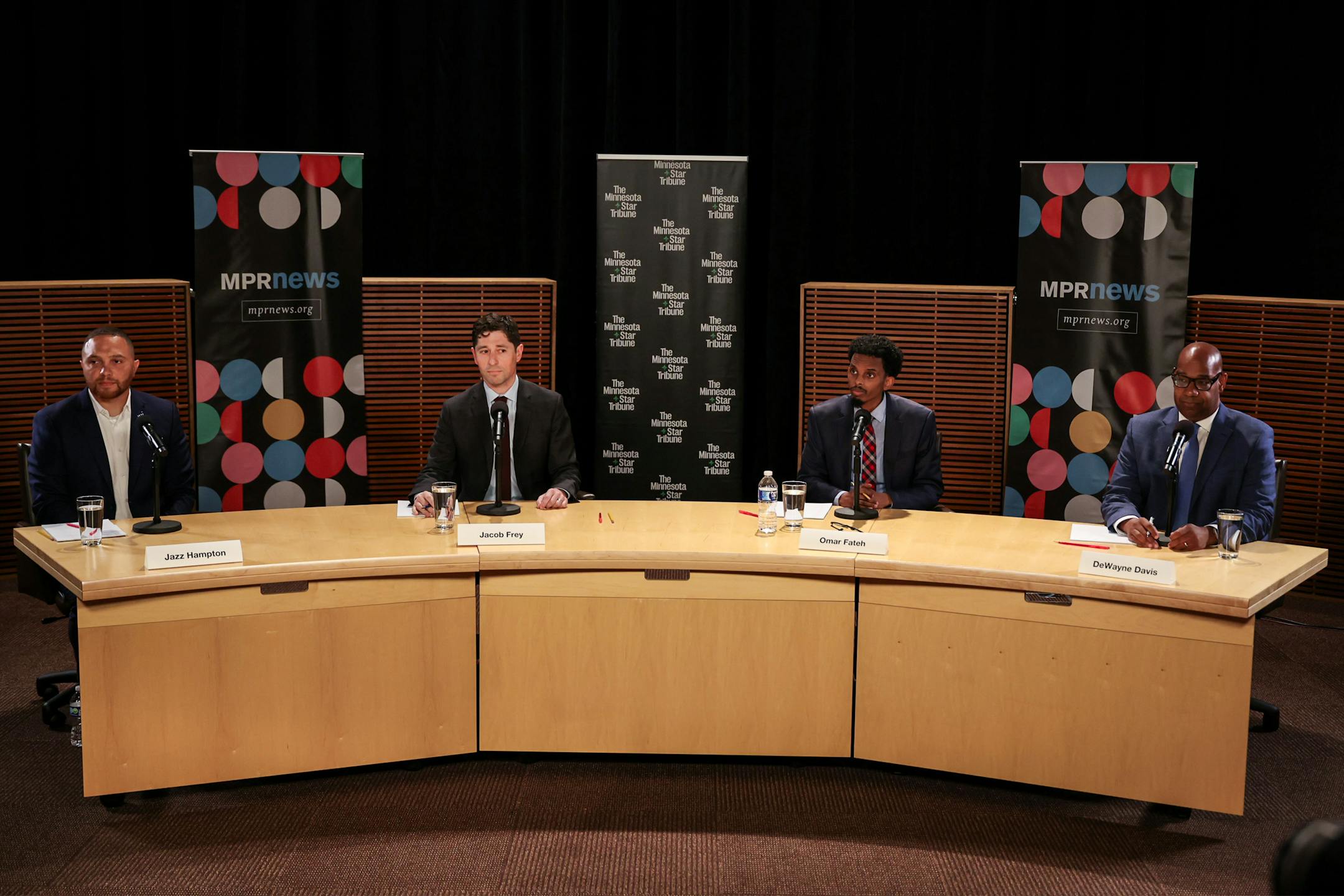
Some readers cited my recent column about an alliance among Mayor Jacob Frey’s top challengers as evidence that, to quote one commenter, ranked-choice voting is “bad for democracy.” The so-called “slate for change” is certainly an unusual twist in the city’s 16-year experiment with ranked-choice voting.
But imagine the alternative to this system.
Let’s say Minneapolis held a low-turnout primary in mid-August, before most voters were paying attention. Frey and Sen. Omar Fateh almost certainly would have advanced to the general election — especially if Fateh had briefly secured the DFL endorsement.
The citywide electorate would then have been forced to decide in November between a polarizing incumbent and his farthest-left challenger. These are the kind of binary choices we bemoan at other levels of government.
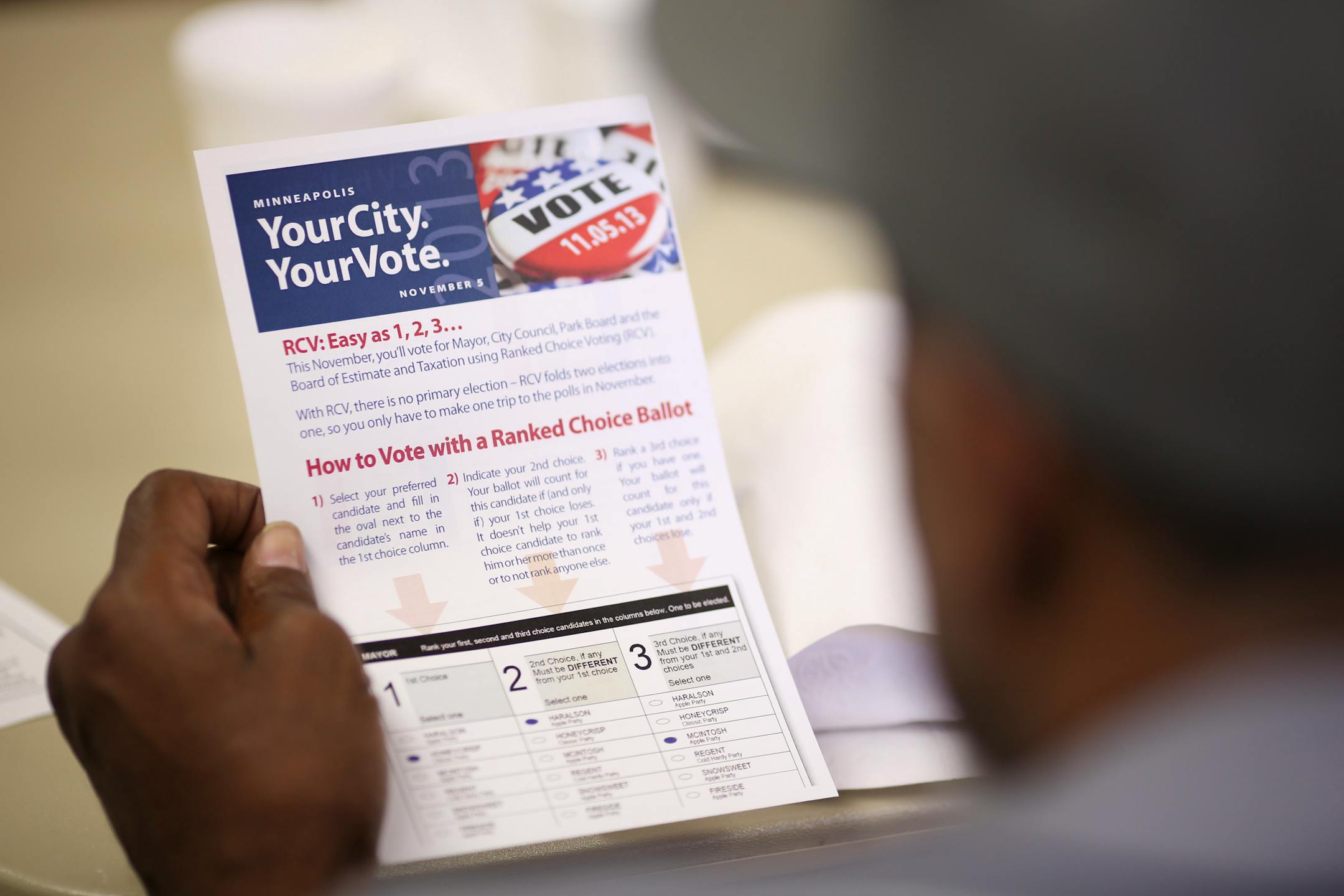
Or, like some cities, Minneapolis could have skipped the primary and let all candidates run in the general election.
In that case, many voters would worry about “throwing their vote away” on a candidate they are unsure can win. Some would vote purely out of fear, choosing Frey only because they are worried about Fateh — or vice-versa. Lesser-known candidates would be considered spoilers and perhaps convinced not to run at all.