


We are watching The Great Wrecking of Minnesota.
The state for so long resisted the embrace of corrosive falsehoods that swept over other states or groups. We weren’t like Florida, where school vaccinations are being phased out amid a national rise in measles. We weren’t like North Carolina, where a battle between its legislative and judicial branches over redistricting wound up in the Supreme Court.
But then the drums began to beat louder about fraud against government programs in Minnesota last summer. Minnesota’s leaders and the feckless Trump administration have since torn the state apart by exaggerating and overreacting to the problem.
First came the late October decision by state officials to impose a 90-day hold on payments to nearly all providers of Medicaid-backed services when only a small number were responsible for fraud.
They threw thousands of caregiving businesses — serving more than 1 million Minnesotans — into economic calamity and brought the state to the brink of a more expensive humanitarian crisis than fraudsters ever caused, even if you believe they have taken billions of dollars. Some caregivers closed, including one assisting 450 disabled Minnesotans in 32 northern counties.
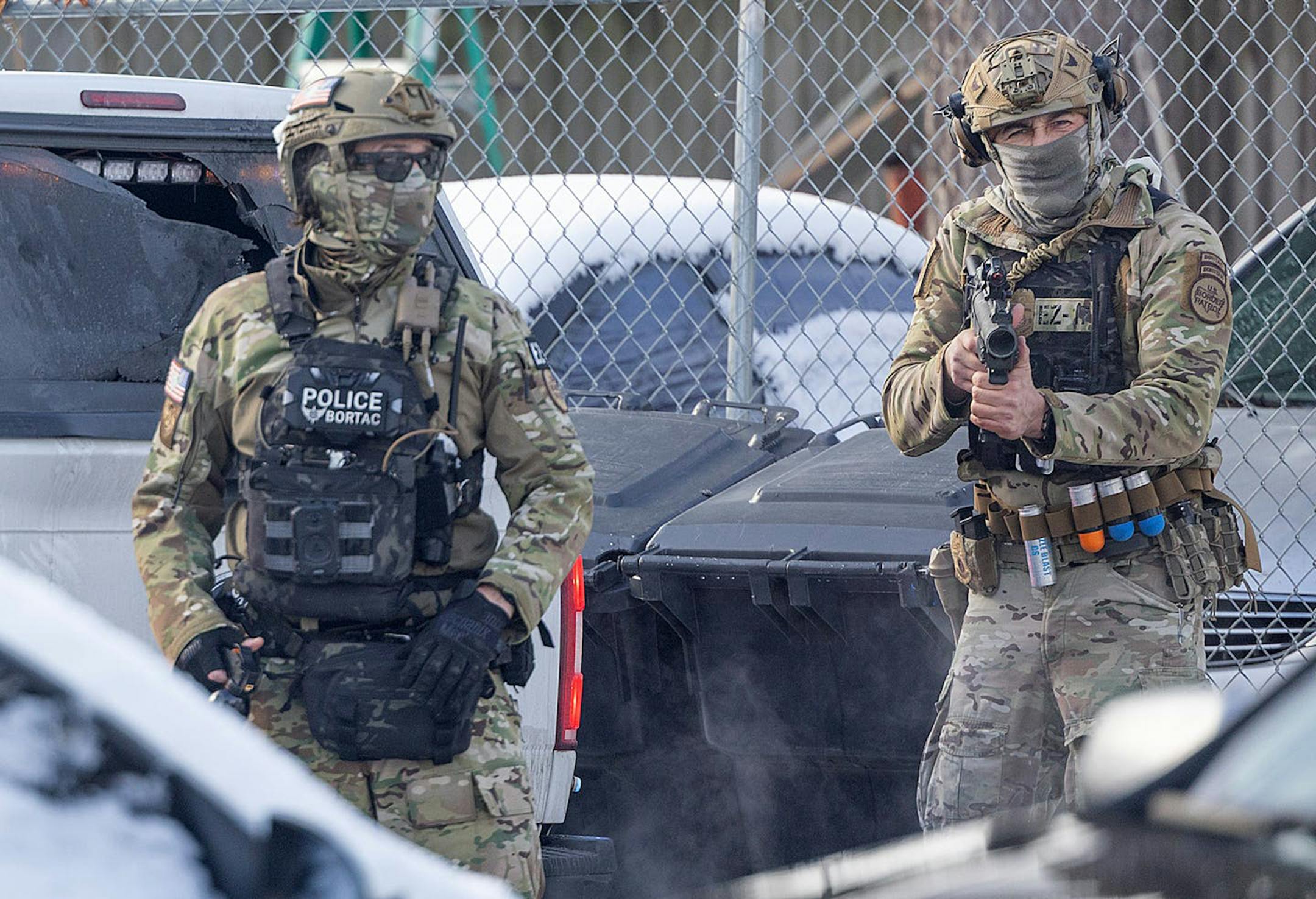
The next month came the smearing of Somali-run child care centers by a right-wing huckster on YouTube, leading the Trump administration to seize upon suspicions of fraud as a pretext for its largest clampdown on immigrants. It sent 3,000 federal agents to stage raids and arrests in a state with a below-average population of undocumented immigrants in both percentage and absolute terms.
By their own count, those agents arrested more than 10 times as many noncriminal undocumented immigrants than criminal ones. They turned a federal office building into a crowded, inhumane detention center. Tragically, they killed two Minnesotans trying to witness or protest their work.
Along the way, they struck fear in Minnesotans of color, even nonimmigrants. Many have hunkered down at home, creating another major economic problem as employees and customers fear going out in public.


