

Ramstad: Two lies Minnesotans can’t afford to keep telling

Here’s another cost to the fraud scandals: Minnesotans aren’t paying attention to bigger money problems.

Columnist Icon
The Minnesota Star Tribune
December 11, 2025 at 11:00AM
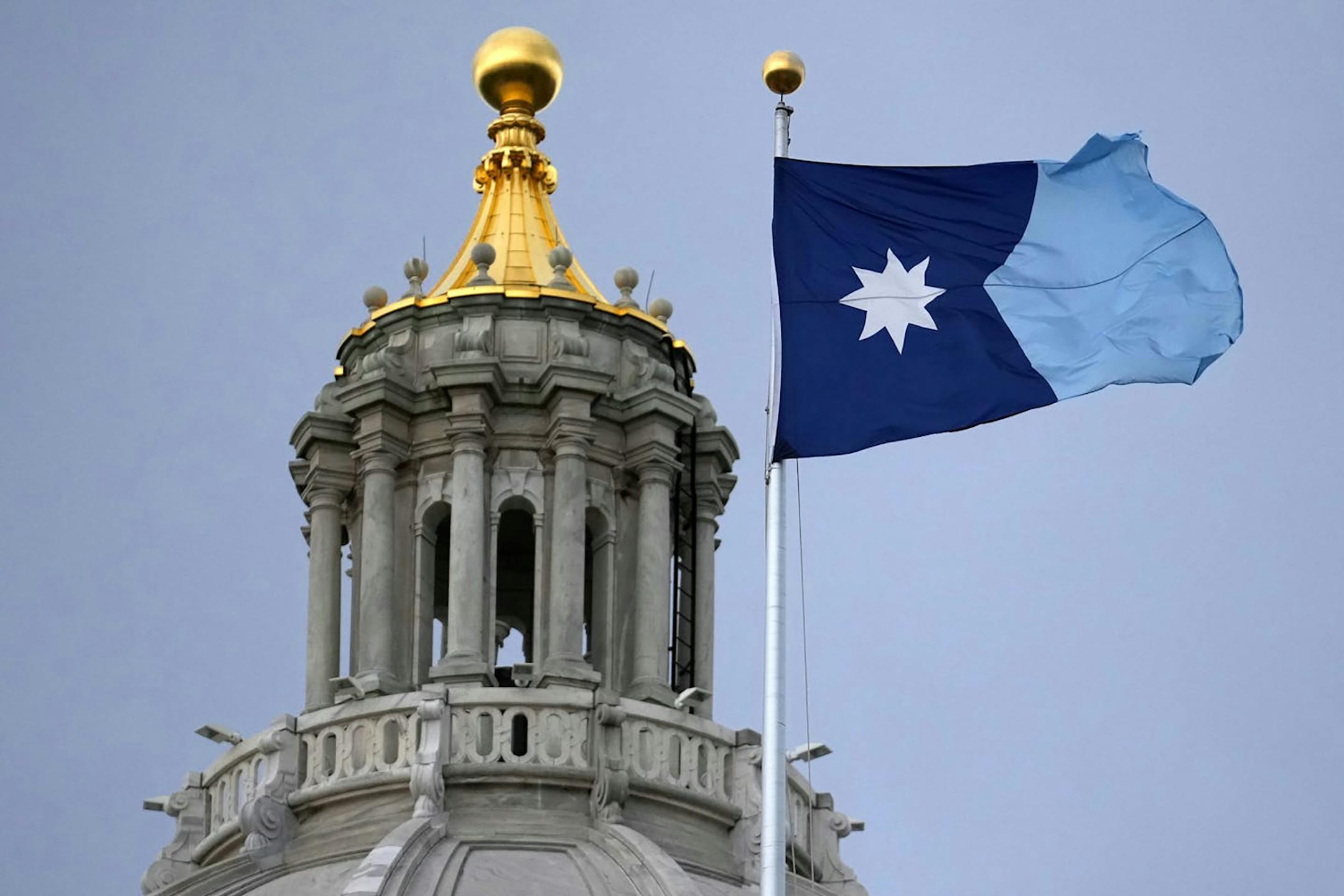
The fraud cases in Minnesota are likely to dominate civic discussion until the 2026 election and distract Minnesotans from more difficult economic challenges and problems. (Anthony Souffle/The Minnesota Star Tribune)

Minnesota’s prosperity is under assault by two falsehoods, present in the human services fraud of recent years and becoming visible now in the just-beginning 2026 political campaign.

The first lie is that most immigrants to Minnesota, who are mainly people of color, take more from the state — or nation — economically than they add to it. It’s mostly people on the political right who say this.

“Unfair!” they cry, as they exaggerate and distort the costs of immigration and, in the process, risk further slowing Minnesota’s population growth when it is already at its lowest rate.

The second lie is that most white people in Minnesota don’t want people of color to get ahead. It’s mostly people on the political left who say this.

“Injustice!” they cry. They see racism everywhere and, in trying to level the playing field or diminish white guilt, they try to reduce the harmful effects of competition and creative destruction. They risk eroding ambition and drive in Minnesota when it is most needed to overcome the growth problem that affects everyone.

I call these people the Amplifiers of the Two Lies. They are turning Minnesota into a place with one hand tied behind its back while it punches itself in the face with the other.

Articles by City Journal and the New York Times last month thrust into the national spotlight the multiyear series of fraudulent schemes against Minnesota’s human services programs.

The scale of the fraud and the fact that it happened to human service programs cuts at what makes Minnesota “Minnesota” to many people in the state and across America.

It erodes moral support for a welfare model created more than a half-century ago that helped make the state an exceptional economic performer from the 1970s to 1990s.

But because most of the participants in the schemes are from Minnesota’s Somali diaspora, the Amplifiers of the Two Lies are roaring.

President Donald Trump and other Republicans, recognizing the vulnerability of Gov. Tim Walz and Democrats on the fraud issue, are pounding hard. Trump, the Amplifier in Chief, crudely and repeatedly veered into racist criticism of Somalis and juvenile descriptions of Walz.

The governor lashed back on social media and in several public appearances over the last two weeks. But he has not owned up to his administration’s responsibility for, if not allowing the fraud to happen, being slow to recognize its causes and scope.

I expect outrages-of-the-moment over the fraud schemes will dominate public conversation in Minnesota until next year’s election — and that other difficult and important matters will be overlooked, as a result.

Take one glaring example from last week.

In the coverage about the state budget outlook announced last Thursday, hardly anyone noticed that state spending, which was supposed to be lower in the 2026-27 biennium than in 2024-25, is now estimated to be higher. The general budget was supposed to fall from $69 billion to $67 billion. Now, it looks like it will rise to $71 billion.

And that jump was revealed just when double-digit property tax increases and other examples of out-of-control spending, such as at the Minneapolis Police Department, are also in the headlines.

Even I underestimated the change when I called it a “shocking 5% jump” in the column I quickly wrote after the budget announcement. With inflation factored in, the jump is closer to 7%.

At a forum for GOP gubernatorial prospects in Marshall on Monday night, several candidates criticized their incumbent rivals for the spending increases. I heard no one say, however, precisely what the state budget should be.

As I wrote this spring, had the Legislature in 2023 increased spending for the 2024-25 biennium at slightly more than the average rate of the preceding decade, and this spring’s legislators done the same for 2026-27, the state budget would now be around $63 billion.

Republicans went along with the $67 billion budget sought by Democrats in return for a promise not to provide health care benefits to people who entered the country illegally.

Minnesota doesn’t have many illegal immigrants, probably around 80,000 in a state of nearly 6 million people. And with state unemployment among the nation’s lowest and labor participation among the nation’s highest, it’s very hard to argue Minnesotans are losing jobs to illegal immigrants.

But state Republicans followed Trump and the national GOP by milking and distorting falsehoods about the costs of immigrants rather than tackling the hard work of bringing down runaway spending.

Meanwhile, Democrats seemed quite content to have Trump’s ugly words to criticize when that budget estimate came out. They’d promised in 2023 that the spending in 2024-25 contained so many one-time items that the general budget would come down in 2026-27.

And it did, right up until the new budget period actually began. We’ll see in next spring’s legislative session whether they can make hard choices after three consecutive years of making easy ones.

I could cite plenty of other problems from which Minnesotans are distracted, like the declining quality and increasing segregation in schools or the statewide collapse of homebuilding.

So let’s make a correction: Minnesota is not just a place with one hand tied behind its back and the other punching its face.

It’s also wearing a blindfold while money falls from its pockets.

about the writer

about the writer

Evan Ramstad

Columnist

Evan Ramstad is a Star Tribune business columnist.

See Moreicon

More from Business

See More
card image
Anthony Souffle/The Minnesota Star Tribune

Here’s another cost to the fraud scandals: Minnesotans aren’t paying attention to bigger money problems.

card image
card image