
Sturdevant: When will Minnesotans reach their limit on property taxes?

The issue is simmering, and should be dealt with before it boils over.

Columnist Icon
The Minnesota Star Tribune
November 15, 2025 at 9:29PM
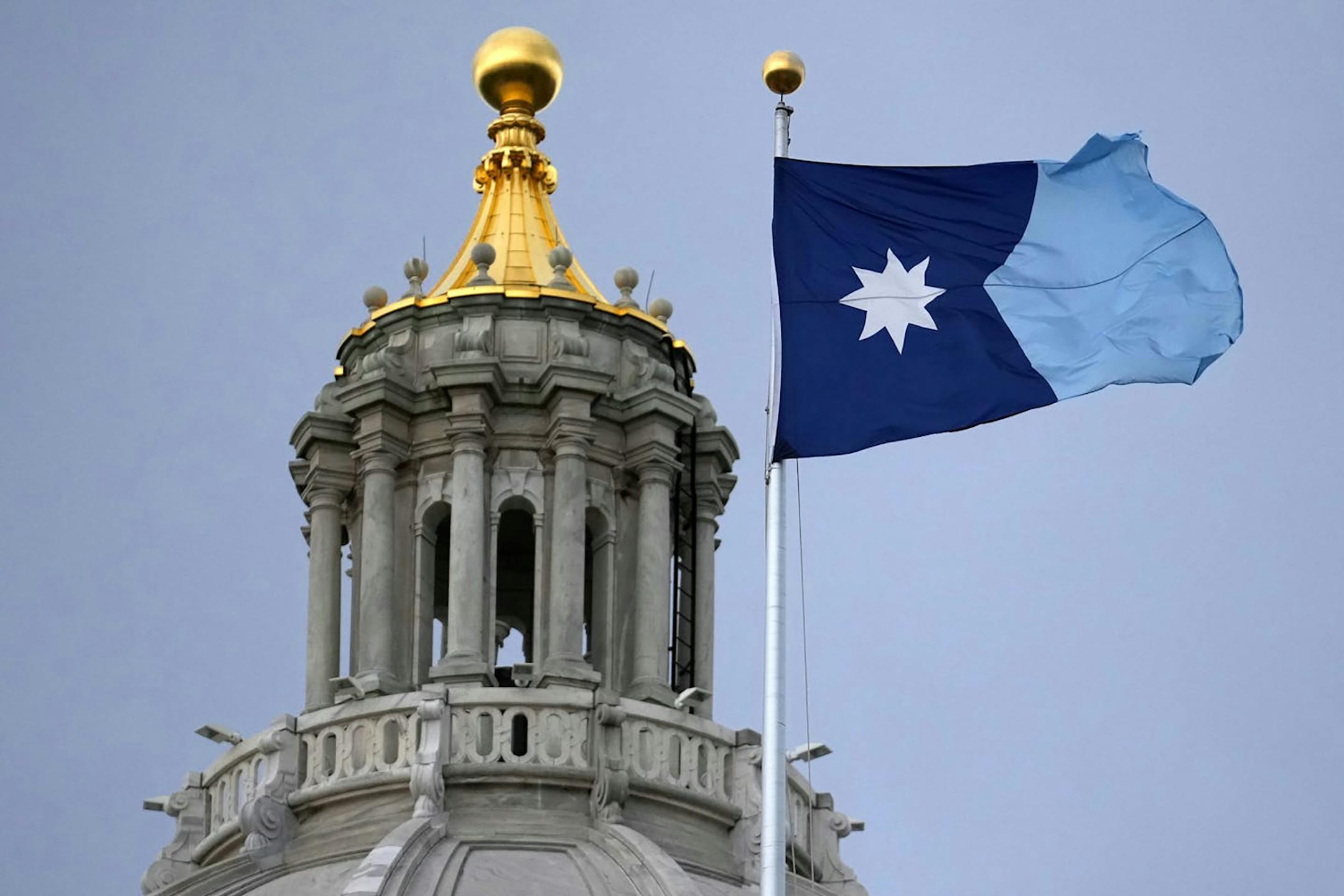
"There aren’t many constants in Minnesota’s shared life. But the unpopularity of the regressive, relentless, unforgiving property tax is exceedingly durable — and politically potent," Lori Sturdevant writes. (Anthony Souffle/The Minnesota Star Tribune)

Opinion editor’s note: Strib Voices publishes a mix of commentary online and in print each day. To contribute, click here.

•••

I don’t see a gathering of pitchforks – yet.

But neither do I believe that Minnesotans are content with the rising property taxes they’ve been experiencing. Or that politicians can comfortably avoid that issue much longer.

There aren’t many constants in Minnesota’s shared life. But the unpopularity of the regressive, relentless, unforgiving property tax is exceedingly durable — and politically potent. Minnesota arguably owes its state income tax (1933) and the Minnesota Miracle state-local-school finance arrangement (1971) to surges of anti-property-tax populism.

Is the old anger coming back? There’s reason for unease, particularly in places where commercial property valuations are flat or declining while residential valuations are up. Think Minneapolis, St. Paul and a number of the state’s regional centers.

City and county levy boosts in Minneapolis are proposed at just under 8% next year. Even if those proposals shrink before enactment next month, homeowners could see percentage increases considerably larger because downtown’s office towers aren’t paying their former tax share.

In St. Paul, voter approval of a school operating levy referendum on Nov. 4 has put forecasts of next year’s increase for a median-valued home at a sum approaching $600 – about a 14% boost. As in Minneapolis, downtown St. Paul’s woes translate into higher tax bills for homeowners and higher rent for tenants.

Elected folk might see the St. Paul school vote and others like it around the state as a sign that voters are taking higher property taxes in their stride. I’d say look again.

Support for school operating levy increases has a demographic explanation: The state’s two biggest electoral cohorts have a personal stake in public education right now. Millennials are parents and baby boomers are grandparents of school-aged kids.

But plenty of people in those same demographic bulges have reason to seethe at higher property taxes. Millennials and their younger Gen Z sibs are having a hard time affording housing. Many boomers are now on fixed incomes and worried about staying in their homes. Rising property tax bills threaten the aspirations of them all.

And that in turn threatens one of Minnesota’s often underappreciated assets in the 21st century talent competition: its reputation for appealing and affordable urban living.

My concern is shared by one of the “electeds” – or, in his case, re-elected. On Nov. 4, Steve Brandt won a second four-year term on the Minneapolis Board of Estimate and Taxation. That’s the body that sets the city’s maximum property levy and authorizes borrowing.

Brandt’s name might look familiar to longtime readers, for good reason. He toiled at this newspaper for four decades as a state and local government reporter. He and I both began to prowl the State Capitol in the late 1970s. He impressed me then and impresses me still as a keen fiscal watchdog.

He noted that the share of the Minneapolis tax base attributable to residential property has been rising steadily. In 2020, 47.4% of the city’s tax base was residential. This year, it’s 53.6%.

“That [change] converts a tax increase that might sound modest into something that’s double-digits for most homeowners,” Brandt said. “I worry about that. I hear about it from people on low or fixed incomes. We ought to be looking out for them.

“That’s got me thinking about alternative sources of revenue.”

What alternatives?

When resistance to the regressive property tax peaked in the 20th century, the remedy was obvious: Get the state to raise its progressive income tax and share the proceeds with cities, counties and schools.

Today, that fix is already in. Another state income tax hike doesn’t look politically plausible — not in a state whose top-bracket income tax rate already ranks sixth-highest among the 50 states.

Brandt acknowledges as much. He’s exploring other options — most of which would require a permission slip from the Legislature.

Might the property tax be restructured to impose a higher rate on higher-valued homes? Might the hospitality taxes the city already collects be used for more purposes? Might the downtown taxing district in which hospitality taxes are collected be enlarged?

How about a tax on long-term vacant properties? Or a city addition to the deed transfer tax (which the state and county already employ)? Or an income tax surcharge on the city’s highest incomes?

Brandt hastened to add that he’s not ready to seek a city income tax. But he wants to know more about cities elsewhere that derive revenue from some manner of tax on residents’ incomes.

“What’s their experience? Do people leave town? Is there more exodus than you might expect if you just let property taxes keep rising?”

Dogged ex-reporter that he is, I trust Brandt to vigorously seek answers to those questions. Other “electeds” and “re-electeds” ought to join his pursuit — before pitchforks appear.

Lori Sturdevant is a retired Star Tribune editorial writer and author. She is at lsturdevant@startribune.com.

about the writer

about the writer

Lori Sturdevant

Columnist

Lori Sturdevant is a retired Star Tribune editorial writer and columnist. She was a journalist at the Star Tribune for 43 years and an Editorial Board member for 26 years. She is also the author or editor of 13 books about notable Minnesotans. 

See Moreicon

More from Columnists

See More
card image
Elizabeth Flores/The Minnesota Star Tribune

His leadership is needed. It probably would be a good political move for him as well.

card image
card image