
8 takeaways from Mayor Jacob Frey’s budget plan that increases property tax levy by 7.8%

“This is not an austerity budget,” Frey says of his $2 billion spending blueprint. “This is a recalibration.”

The Minnesota Star Tribune
August 13, 2025 at 9:44PM
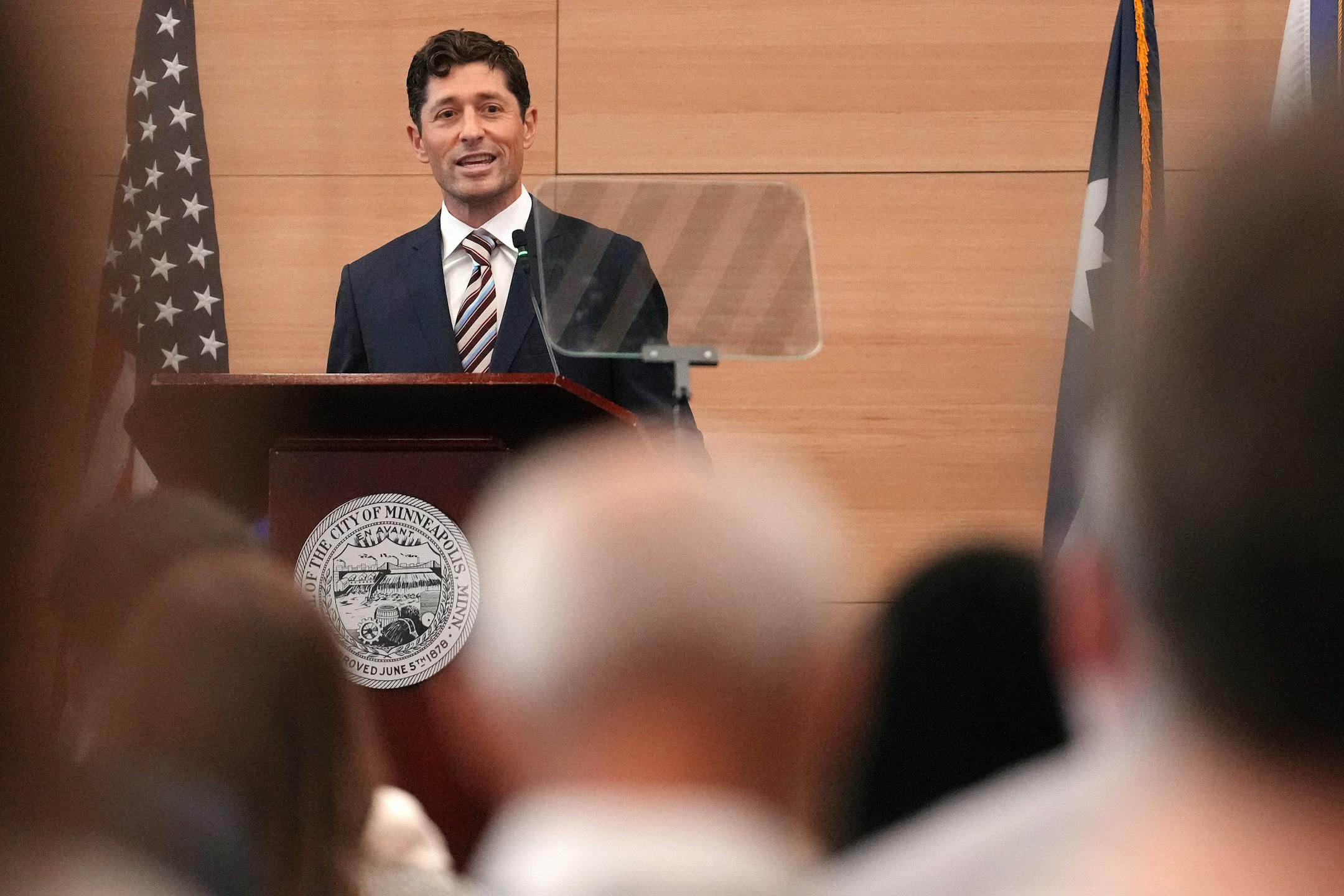
Mayor Jacob Frey speaks about his budget proposal for 2026 on Wednesday at the Public Service Building in downtown Minneapolis. (Anthony Souffle/The Minnesota Star Tribune)

Mayor Frey’s $2 billion budget proposal unveiled Wednesday would require a 7.8% increase in the city’s property tax levy.

That would raise the total dollar amount levied by $39 million.

“This is not an austerity budget,” Frey said in his annual budget address. “This is a recalibration.”

If Frey’s budget passed untouched, the owner of a median Minneapolis home valued at $333,000 would pay $2,272 in city property taxes in 2026, an increase of $240. The county, school district and Municipal Building Commission set their levies separately. The city levy pays for things like policing, firefighters and street repairs.

With rising construction costs and employee salaries, dropping downtown office building values, and President Donald Trump’s funding changes threatening to wreak havoc on the city budget, the budget-crafting process was all about finding cuts this year. Just to maintain current spending levels, the city’s property tax levy would have had to go up by about 13%, Frey said.

That’s an even worse starting point than last year, when the more progressive City Council and mayor clashed over a $1.9 billion budget, which Frey vetoed in a historic move. The final, council-approved budget required a 6.8% increase in the property tax levy.

This year, Frey said his priority was to reduce that 13% projected increase. Rather than bring ideas for new programs — last year, city departments had 145 new spending proposals — city employees were asked to find ways to save money.

The mayor and all 13 council seats are up for re-election in November, and the council must pass a balanced budget before the end of the year. The mayor and more progressive wing of the council often butt heads, and Frey made two references in his budget speech to wanting to end that drama, saying he envisions a Minneapolis “where city government isn’t a punchline — it’s a promise kept."

But Council President Elliott Payne said Frey doesn’t work with the council, and didn’t even have one-on-one meetings with council members to talk about their budget priorities, as in past years. The mayor’s spokeswoman said Frey did group meetings, and every council member had an opportunity to share their priorities.

Some City Council members expressed concerns about some of the cuts and spending shifts proposed by Frey, who says the city should invest in “proven programs” rather than “launching new ones that are untested or unsustainable.”

One such shift is a proposal by Frey to move funds from an emergency housing voucher program the City Council approved last year to the Stable Homes Stable Schools housing assistance program, which is facing a budget shortfall. Frey said Stable Homes is a proven, underfunded program.

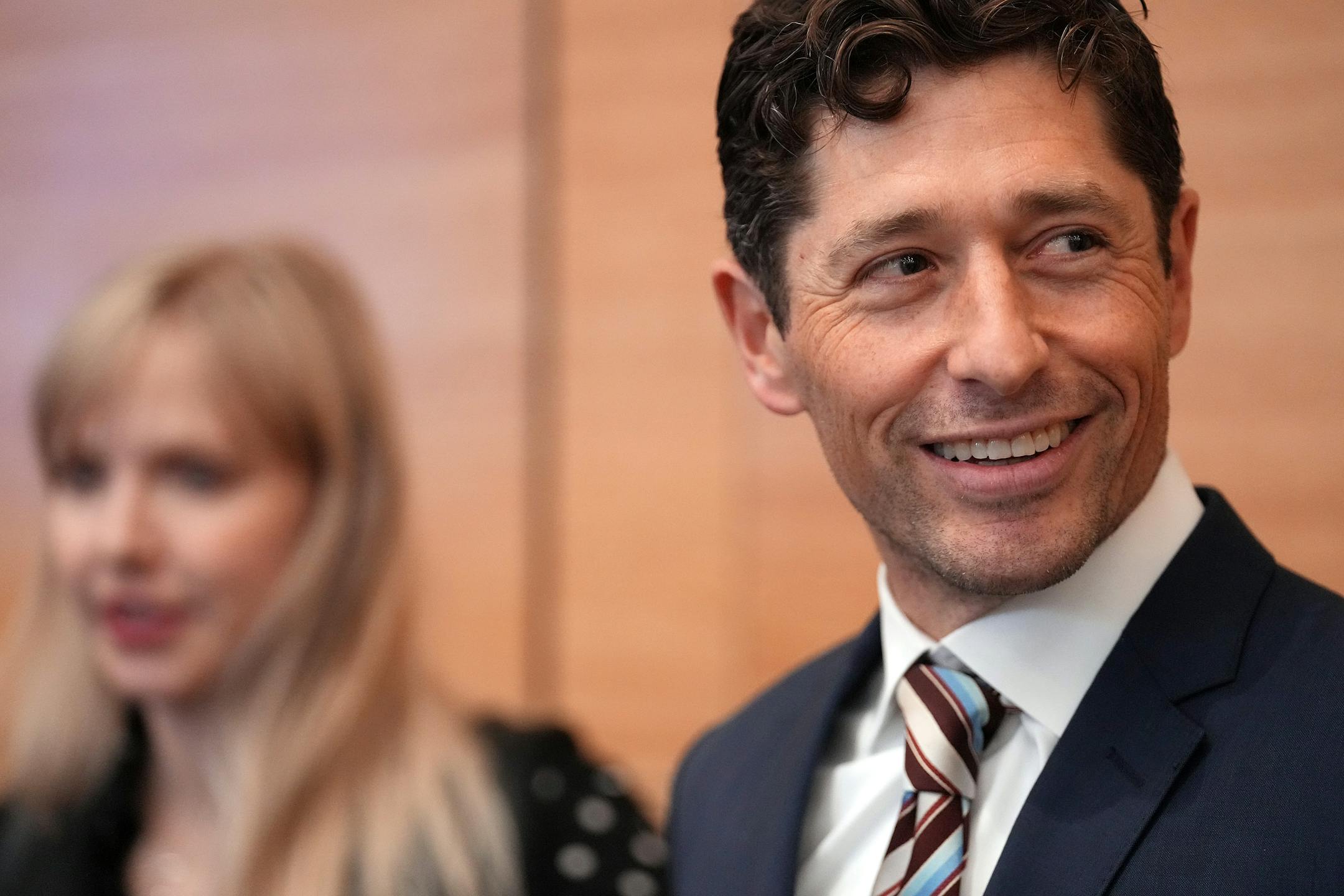
Mayor Jacob Frey stands with his wife, Sarah Clarke, following the annual city budget address to release his budget proposal for 2026. (Anthony Souffle/The Minnesota Star Tribune)

Council Member Jason Chavez called that “unacceptable,”

“The Minneapolis City Council lowered the mayor’s proposed levy last year, and we proved that we can lower the levy while also investing in community programs that our residents strongly believe in,” he said.

Here are eight takeaways from Frey’s budget proposal:

  • There are no layoffs, but 26 vacant positions would be eliminated.
    • Double time” overtime pay for Minneapolis police would end next year, now that the police ranks are being replenished, reducing the need for overtime. Cops would still get the standard time and a half overtime rate. Ending double time would save the city an estimated $3.64 million annually.
      • The annual Community Connections Conference would be canceled. The free event connects residents, community groups, neighborhoods and local government.
        • $7 million would be cut from personnel budgets by lowering step and health insurance assumptions for vacant positions.
          • Funding would move from an emergency housing voucher program the City Council approved last year to the Stable Homes Stable Schools housing assistance program.
            • Frey would invest an additional $3.2 million into the park system.
              • The number of Open Streets events — where traffic corridors are shut down for street fairs showcasing local businesses —would be cut from four to three per year.
                • About $150,000 in food and beverage spending would be cut across departments.
                  about the writer

                  about the writer

                  Deena Winter

                  Reporter

                  Deena Winter is Minneapolis City Hall reporter for the Star Tribune.

                  See Moreicon

                  More from Minneapolis

                  See More
                  card image
                  Jeff Wheeler/The Minnesota Star Tribune

                  From Winona State University to Augsburg University and the U, professors are helping students wrestle with misinformation and disinformation.