
As election spotlights cost of living, St. Paul residents could see double-digit tax increases

A school funding referendum will go before voters on Election Day as voters balance high taxes and keeping city services.

The Minnesota Star Tribune
September 16, 2025 at 5:44PM
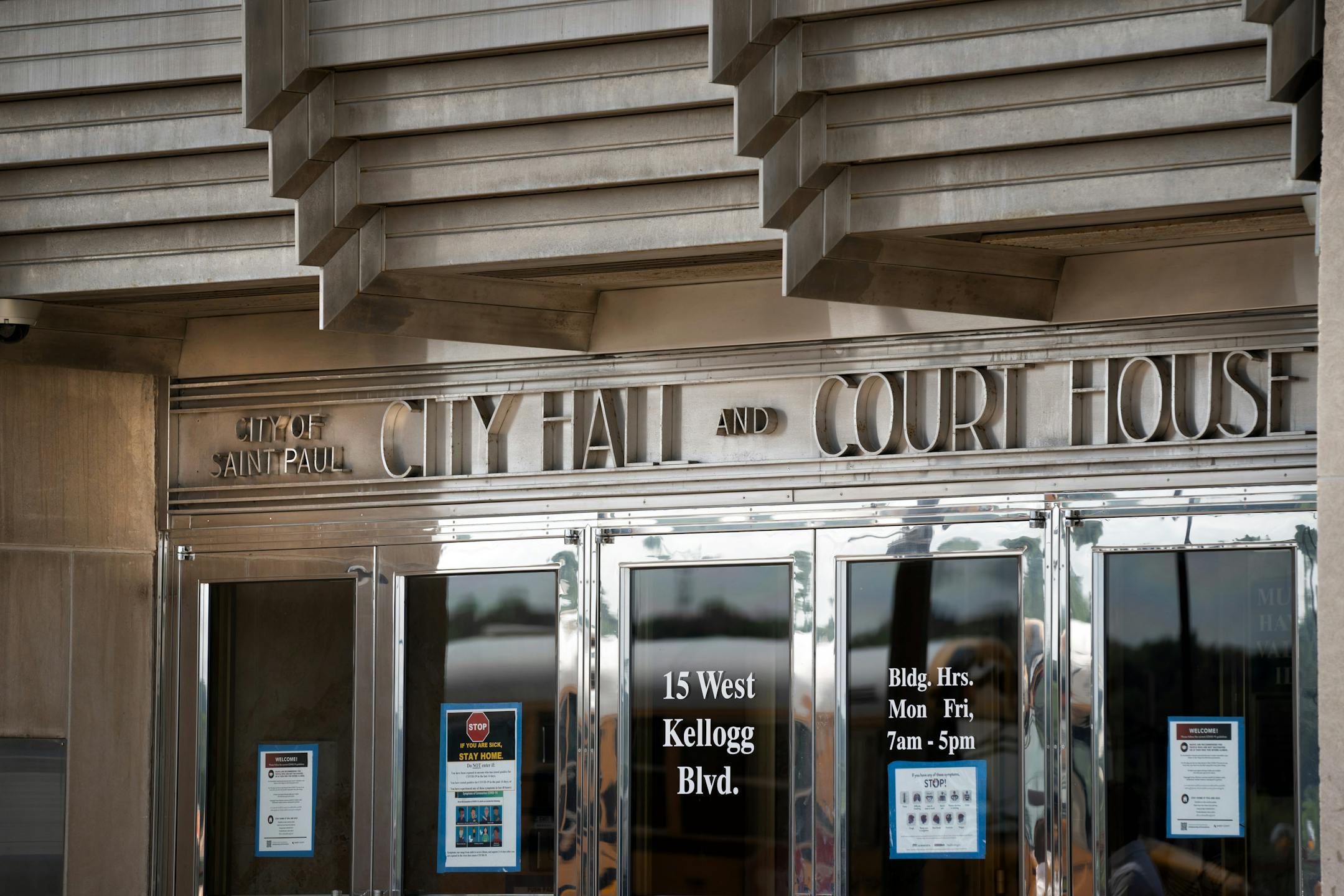
St. Paul City Hall and Ramsey County Courthouse (Glen Stubbe/The Minnesota Star Tribune)

St. Paul taxpayers, already grappling with economic uncertainty and a rising cost of living, could face a substantial increase in their property tax bills next year if voters approve a school levy increase.

Rising budgets for Ramsey County and the city could raise a tax bill on a typical home by 6.7% for St. Paulites, or up to 14.2% if voters approve the extra funding to increase the school budget.

All this comes as voters head to the polls this fall to decide whether Mayor Melvin Carter should serve a third term. He faces challengers including state Rep. Kaohly Vang Her and three other candidates, all critical of his approach to property taxes. Though Carter has been optimistic about St. Paul’s ability to expand its tax base and eventually ease the burden on homeowners, the situation has some residents question whether to stay in the city as taxes rise.

“Folks are deciding to move out of St. Paul, mostly because of high taxes,” said Ramsey County Commissioner Rena Moran during a meeting on Monday of county, city and school officials known as the Joint Property Tax Advisory Committee.

The bulk of the budget increases are due to wage increases, many required by contracts with labor unions. Officials with all three levels of government say they’re doing their best to limit spending. The county has proposed cutting 43 jobs and closing a detox center, and the city is considering cutting library and rec center hours.

At the same time, Moran said, the people who need those services cannot easily afford to pay higher property taxes.

Other elected officials said they are also hearing money worries from constituents.

“There are folks in my ward who can’t rub two pennies together,” said City Council Member Hwa Jeong Kim, whose Ward 5 covers the city’s North End.

Carter’s budget proposal includes additional funds for emergency rental assistance and down payment assistance programs to keep residents in St. Paul, but many remain concerned about how high property taxes are in St. Paul.

Money and the mayor’s race

The owner of a median-value $275,300 house in St. Paul could see a property tax increase of $229 next year, or $536 if voters approve the school tax increase. Annual tax bills already top $4,100 on a median-value house.

The actual increase for an individual property tax bill will vary based on how much a home’s value has increased this year, which varies across neighborhoods, from less than 10% to more than 16%.

The cost of living in St. Paul is already a major theme of Her’s challenge. Though she agrees with the level of this year’s proposed levy increase, Her points to the city’s challenge in delivering the services that make St. Paul’s high taxes feel worth it.

“I’m at the doors talking to people that are being priced out of their homes,” Her said. “There is no short-term solution. What we need to do is build a future that expands this tax base.”

Her said she also wants to see more coordination between St. Paul, the school district and Ramsey County, and said the city should make longer-range budget projections, like the state does.

Carter’s campaign did not make him available to discuss how he will talk to voters about the city’s taxes.

In his budget address, Carter touted new spending to subsidize the conversion of offices to apartments, with the aim of getting more tax revenue out of downtown while finding other savings, and slowing the growth of residential property tax bills over time.

“This is how we balance the books while keeping our city moving forward,” he said earlier this month.

School levy on the line

The biggest variable for next year’s property taxes is a $37 million operating levy for schools, which will go before voters in November.

St. Paul Public Schools is planning to spend some of its reserve funds to keep the budget flat for next year, if the funding in the referendum is not approved.

The referendum would add $307 to the annual tax bills for the owner of a median-value home.

Superintendent Stacie Stanley said St. Paul is the second-largest school district in Minnesota and has the second-lowest operating levy in the state, and Tom Sager, the district’s chief of financial services, said the school levy has increased more slowly than inflation.

Carter and Her both say they strongly support approving the $37 million in the referendum, which would send an additional $1,073 per pupil to St. Paul schools.

about the writer

about the writer

Josie Albertson-Grove

Reporter

Josie Albertson-Grove covers politics and government for the Star Tribune.

See Moreicon

More from St. Paul

See More
card image
Sofia Barnett

The City Council will take another week to finalize resolution language. The city will also fund immigrants’ defense and naturalization in 2026 budget.

The setting sun illuminated the St. Paul skyline, with city hall on the left, as seen from Harriet Island Park.
card image